
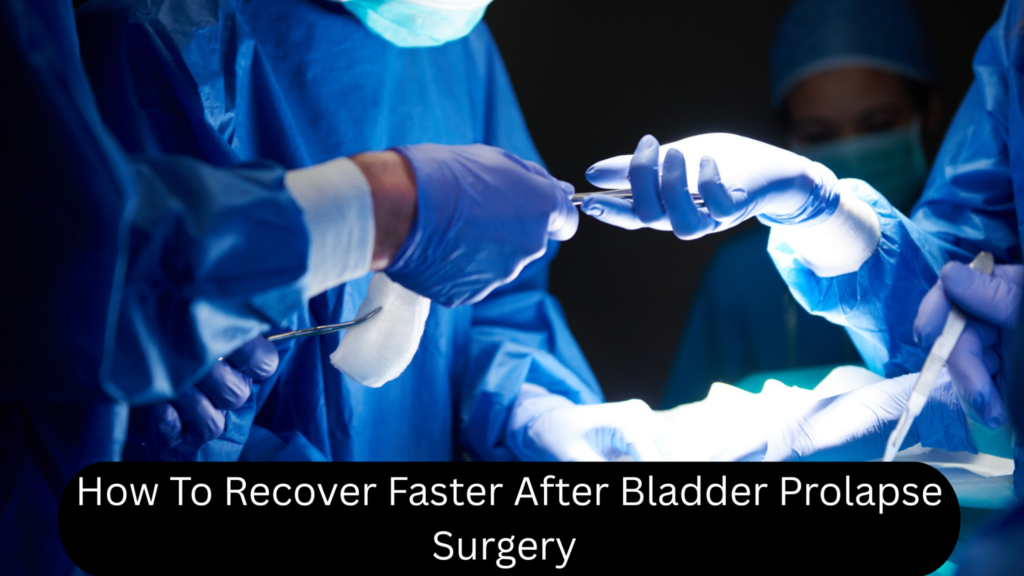
Did you know that attempting to ‘push through’ to ‘feel normal’ too soon after surgery can actually delay healing? Having a prolapse repair is a major physical event.
This surgery is meant to restore support to your pelvic organs, but the operation itself is only the first step. The Recovery period is when the real physical healing and internal tissue integration happen.
Your rate of recovery will depend on many factors, including your general health, the exact procedure that was performed, and how well you follow your surgeon’s instructions.
This article describes practical, fact-based steps to promote a smoother, safer healing process and safeguard your surgical repair.
1. Follow Your Post-Surgery Instructions Closely
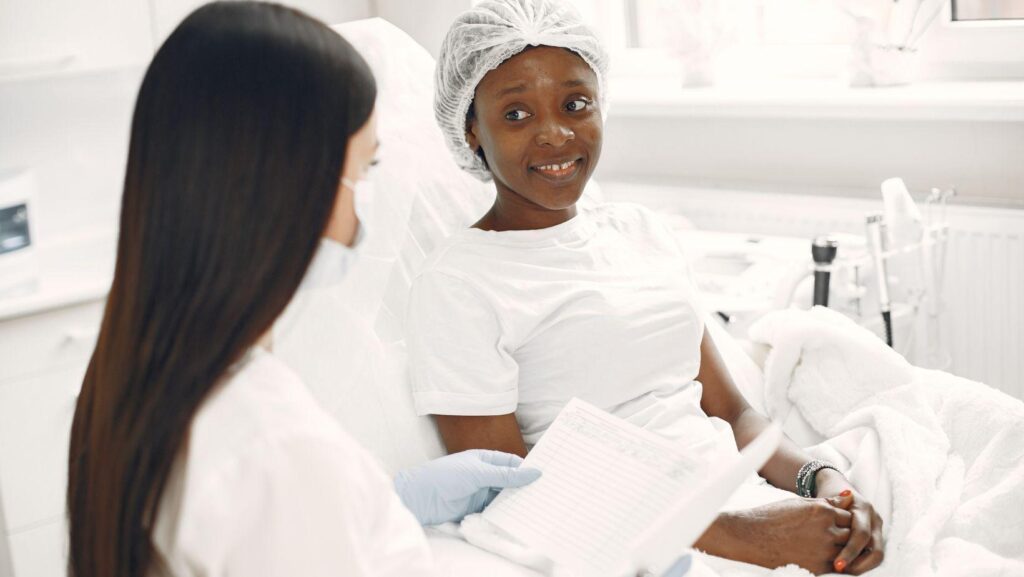
Following your medical team’s advice is the key to a successful recovery. Take all prescribed medications as directed for pain control and infection prevention.
Follow all instructions for wound or vaginal care carefully, and be sure to attend all follow-up appointments.
It is very common to begin to feel better before your internal tissues have actually healed. Even if you start feeling better, don’t go back to your normal activities until you have been told to do so.
Healing requires patience and discipline to protect your bladder prolapse surgery repair. It is not just the absence of pain.
2. Get Moving, But Increase Activity Gradually
Rest is good, but too much rest can stall your progress. Light activity and walking are good for the flow of blood. This helps bring oxygen and nutrients to the healing tissues and prevents blood clots from forming.
Increase your activity gradually and always listen to your body and follow your doctor’s advice. Avoid strenuous exercise or movements that put too much pressure on your pelvic floor during early healing.
For example, instead of walking your dog a mile in week two, try a slow five-minute walk around your living room or garden.
A study pointed out that an Enhanced Recovery After Surgery (ERAS) protocol that promotes early, gentle ambulation may significantly decrease hospital stay and hasten recovery time compared to prolonged bed rest.
3. Protect the Repair by Avoiding Heavy Lifting
The intra-abdominal pressure that is generated by heavy lifting increases dramatically and puts direct pressure on the healing tissues in your pelvis. This pressure can easily break the delicate internal stitches of your repair.
Seemingly normal things like lifting a heavy laundry basket, carrying bags of wet soil for the garden, or picking up a toddler create enormous downward force and should be avoided.
Arrange for help with laundry, childcare, and difficult chores around the house before your surgery. Depending on what procedure you had, restrictions can be very different, so ask your surgeon when you can resume more strenuous activities.
4. Prevent Constipation and Straining

During recovery, it is very important to make sure that you have regular, comfortable bowel movements. Straining on the toilet is the same downward pressure as heavy lifting, putting your rectum at huge, unnecessary risk.
To help prevent constipation, include the following in your day-to-day routine:
5. Give Your Pelvic Floor Time to Heal
It seems natural to jump right into pelvic floor exercises (Kegels) to regain strength, but doing so too soon can irritate healing tissues. Always get explicit medical clearance to resume these exercises.
When the time is right, a referral to a pelvic health physiotherapist with specialist training can help you ensure you are doing them safely. In the healing phase, you also have to adhere to strict restrictions on anything entering the vagina.
The RCOG advises avoiding sex for about 6 to 8 weeks after prolapse surgery, but your surgeon will be able to tell you exactly when you can resume sexual intercourse, depending on how you are doing.
Research suggests that many patients self-report feeling physically “recovered” as early as 2 to 6 weeks. However, internal tissue healing still requires strict adherence to individualized postoperative activity restrictions during this critical window to avoid complications.
6. Support Recovery With Healthy Daily Habits

Your body needs energy and resources to heal. To support your surgical repair, develop your habits in a way that is good for your whole system:
Conclusion
The secret to a faster, smoother recovery after surgery for bladder prolapse lies in protecting your surgical repair while carefully and gradually rebuilding your activity levels.
By preventing constipation, lifting heavy weights, getting enough rest, and adhering to your individual medical advice, you are creating the optimal conditions for your body to recover.
This process is going to take some patience, so don’t be afraid to reach out to your surgeon or healthcare team if you’re unsure about your symptoms or when it’s safe to return to certain parts of your life.