

Eye screeners provide essential functions in detecting vision challenges during their earliest possible stages. Operating in schools or medical clinics or workplaces requires trusted screening equipment to detect nearsightedness and farsightedness and astigmatism together with other serious conditions which impact life quality.
Advanced automated devices along with simple eye charts are just some of the many technology-based screeners that have become available due to rapid advancements in technology. Learn more here.
Selecting a suitable vision screener requires consideration of particular requirements combined with environmental factors and financial resources. We’ll help you in choosing the optimal vision screener that fits your organizational requirements.
Understand Your Screening Needs
The first step in your selection process requires you to identify your purpose for using a vision screener and determine your target screening population. Each vision screening program for pediatric patients requires different equipment than what would be suitable for primary care operations or corporate wellness initiatives.
When screening young children, the device should prioritize both simplicity and speed because children get easily distracted. Business vision checks require devices that show both precision measurements and adherence to occupational health regulations. Your use case requirements help you select screeners which effectively meet your vision screening needs. Follow this link depisteo.com to understand more about these products.
Prioritize Accuracy and Reliability
High accuracy represents an absolute necessity during vision screening procedures. High-quality vision screening equipment should provide dependable test outcomes which healthcare professionals can depend on when making decision about patients.
Misdiagnoses coupled with pointless referrals emerge from incorrect results which unnecessarily drain both time and funding. A screener with clinical validation from a health authority or with practice approval should be your priority.
Implementing reliable screening devices ensures consistent performance no matter which environment you are screening in and they maintain accurate results even when used on a regular basis. Check out this page https://www.optometrists.org/childrens-vision/vision-for-school/vision-screening-vs-eye-exam-whats-the-difference/.
Think About Portability
Portability is crucial if you need to conduct screenings in several places. It is much easier to plan trips when you have portable, lightweight screeners that are simple to set up and dismantle.
Devices that do not necessitate a complete diagnostic suite or lengthy calibration are particularly advantageous for mobile units, charitable health initiatives, or school nurses. When time or room is at a premium, handheld screeners provide the advantage of portability without compromising accuracy.
Assess the Ease of Use
The top screener isn’t only precise; it’s also user-friendly. Make note of the people who will be in charge of the gear. A more sophisticated screener may be appropriate for healthcare providers with a skilled team. Simplifying the gadget is important if it is intended for usage by educators, support personnel, or volunteers.
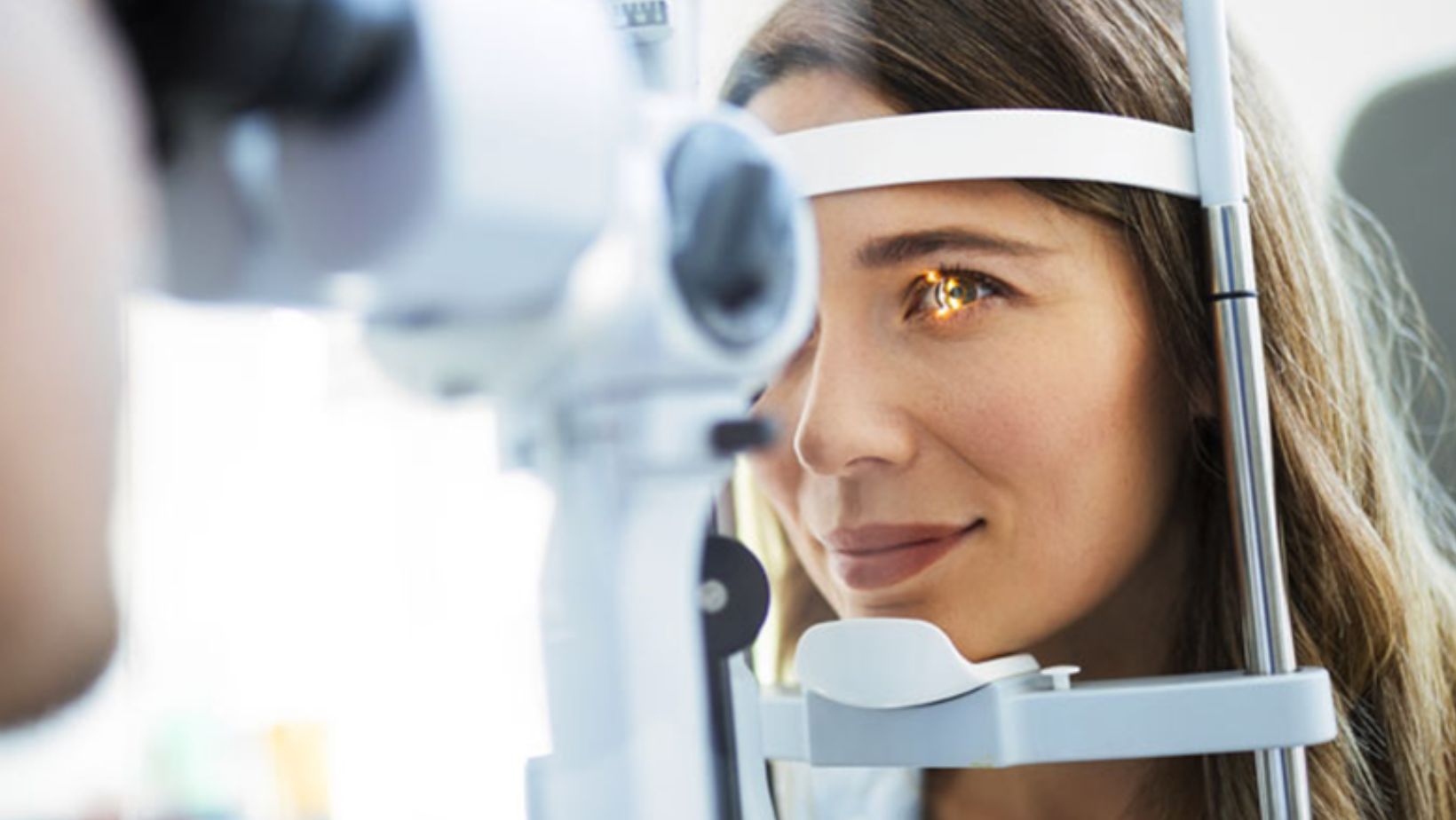
Try to find user-friendly interfaces with clear instructions and low training needs. Touchscreen displays and step-by-step instructions make some current vision screeners usable even by those without medical training. The process could be slowed down and user errors introduced by a screener that is overly technical or hard to use.
Think about Quickness and Effectiveness
Time is of the essence in busy settings. Operations can be streamlined and wait times reduced with the help of a vision screener that can evaluate persons rapidly. For large-scale health screenings or schools that examine hundreds of people daily, this is of the utmost importance. But precision shouldn’t be sacrificed for speed. Finding the sweet spot between speed and accurate evaluation is the goal of the perfect instrument.
Look for Comprehensive Screening Capabilities
You can’t trust every screener. Some can simply detect farsightedness, while others can identify farsightedness, colorblindness, and problems with eye alignment, among other vision disorders. If your device can do more than one kind of screening, you can get more done with less equipment.
This is especially helpful in pediatric and geriatric care, two areas where early detection is paramount. There is less need for further evaluations because to comprehensive screening tools, and referrals to specialists are made easier when needed.
Think About Maintenance and Support
Periodic maintenance is necessary for even the most advanced gadgets. Think about the warranty, customer service, and reputation of the manufacturer before purchasing a vision screener.
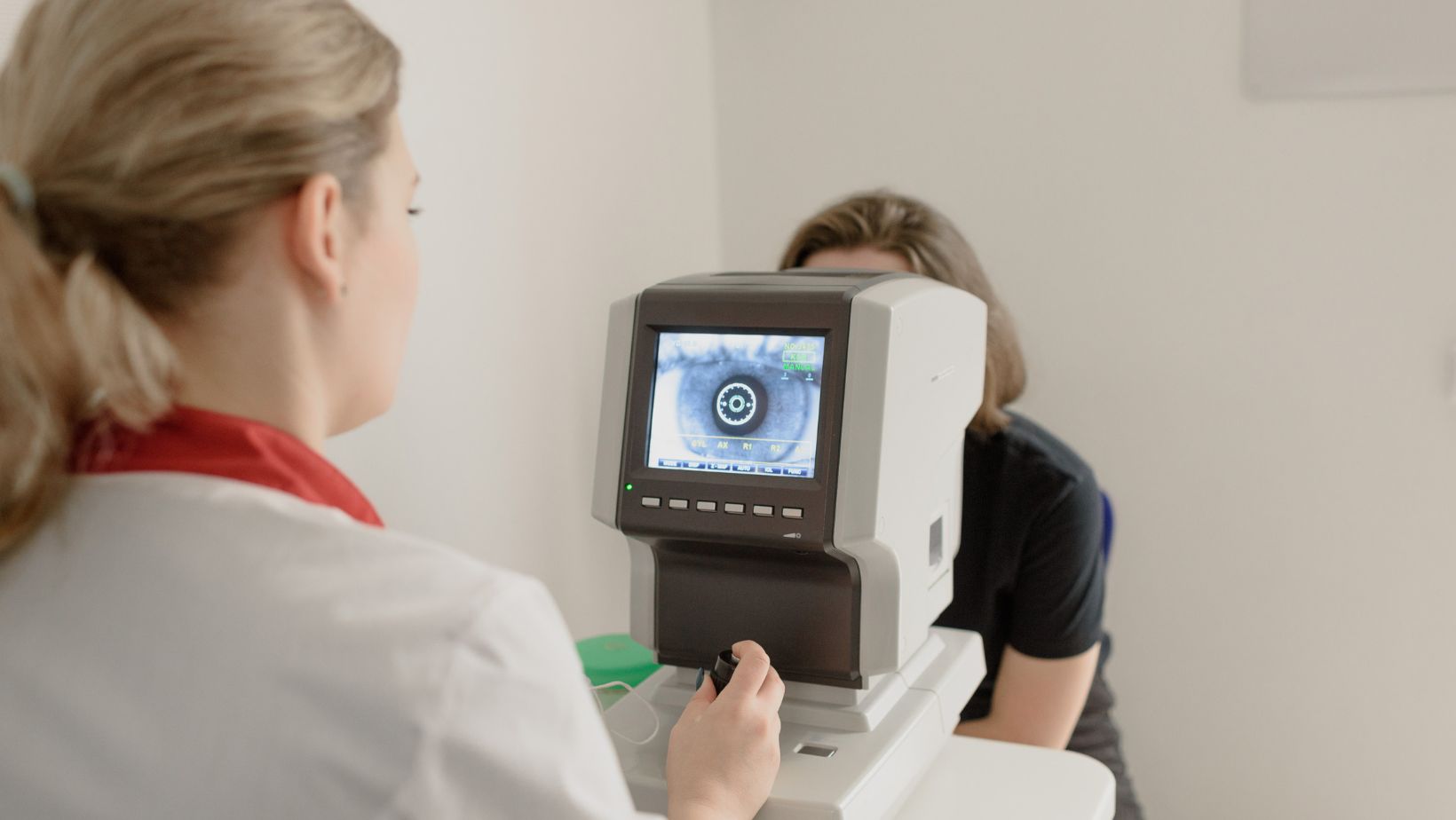
Continuous technical assistance, user guides, and simple access to replacement components are all hallmarks of a reliable provider. The device’s durability after repeated use is another factor that determines its long-term reliability. To get a better feel for what to expect, read reviews and look into the typical lifespan of products like this.
Stay Within Budget But Don’t Skimp on Quality
Budget is always a concern, but it’s important not to prioritize cost over performance. A lower-priced screener might save money upfront but cost more in the long run if it requires constant repairs, delivers inaccurate results, or needs frequent replacements.
On the other hand, a high-end screener with advanced features might be overkill for basic vision checks. The goal is to find a solution that fits your needs and offers long-term value. Some manufacturers also offer financing options or refurbished models, which can help strike a balance between quality and affordability.