
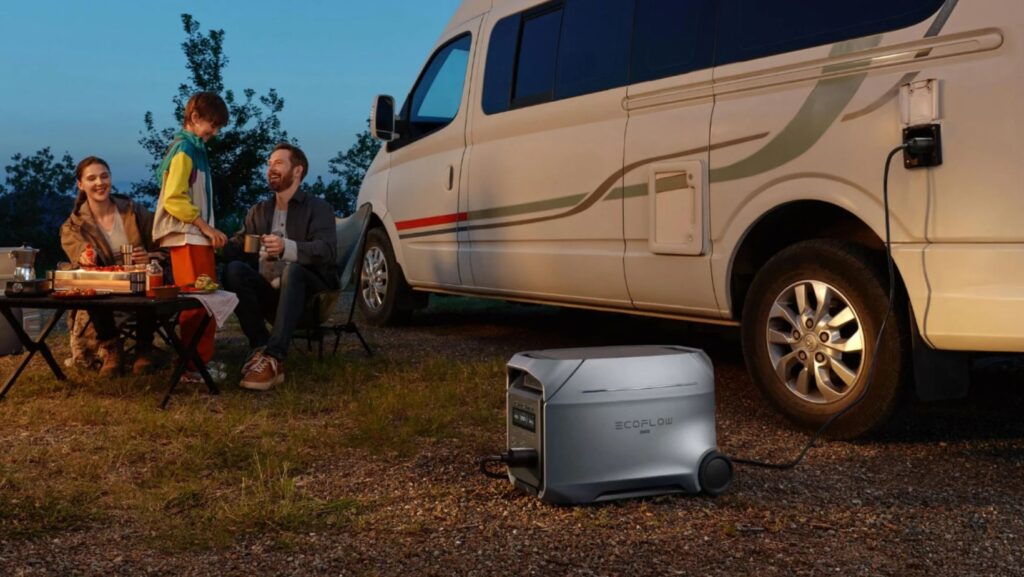
Whether charging a camera, making coffee, or powering a mini-fridge, portable power stations have become an essential camping companion. But not all portable power stations are created equal. Choosing the right power source determines whether your trip is smooth, comfortable, or frustrating. As engineers specialising in portable power stations, we’ve dedicated years to designing solar-compliant portable power sources to meet real-world outdoor needs. Therefore, we’ll help you understand how to choose the right portable power station for your camping needs, striking a balance between capacity, weight, output power, and functionality for the perfect outdoor experience.
The Role of Portable Power Station in Modern Camping
Before delving into the technical details, it’s essential to understand the significance of portable power stations for today’s campers. In the past, portable generators were the preferred choice for off-grid power. But their drawbacks—noise, fuel costs, and emissions—made them no longer ideal for sustainable camping.
A portable power station, on the other hand, is a battery-powered generator that stores electrical energy for later use. It can be charged via wall outlets, car outlets, or, most importantly, solar panels. This makes it not only portable but also a renewable energy source.
For camping, a reliable portable power station ensures that you can power essential devices such as LED lights, lanterns, cell phones, cameras, and laptops. Small household appliances, such as coffee makers, coolers, or air pumps. Emergency medical equipment, such as continuous positive airway pressure (CPAP) machines. The key is to understand your total energy needs and choose the right equipment. You can think of a portable power source as a silent energy pillar for your campsite—quiet, zero-emission, and always ready.
Before choosing a portable power source, determine your power needs.
To choose the right portable power source, you first need to calculate your power requirements. This step ensures you have sufficient power to run the necessary equipment without incurring excessive costs for unnecessary power.
First, list the devices you plan to bring and their power consumption. For example, smartphone: 10W; LED light: 15W; mini cooler: 60W; laptop: 60–100W; rice cooker: 200–300W
Next, estimate how long you will use each device each day. Multiply the power consumption (in watts) of each device by the number of hours you will use it to calculate the watt-hours (Wh). Then, add up the power consumption of all devices to get your daily energy needs. For example, if your daily electricity consumption is around 300 watt-hours, a 500-watt-hour portable power station will provide sufficient power. If you plan to camp outdoors for several days, it is recommended to consider a capacity of 1000 watt-hours or more, especially when using high-energy-consuming appliances.
Battery Capacity and Type: The Heart of a Portable Power Station
The heart of a portable power station is the battery. Understanding battery chemistry can help you make an informed purchasing decision. Most portable power stations use one of two main battery types: lithium-ion (Li-ion), which is lightweight and portable. It has high energy density, making it ideal for portable use. Its lifespan is approximately 500-800 charge cycles.
Lithium iron phosphate (LiFePO₄): Heavier but more durable, with better thermal stability. It typically lasts for more than 3000 charge cycles. It is safer in high-temperature environments.
If you camp occasionally or prefer lightweight gear, lithium-ion batteries are ideal. For frequent travellers, long-term RV campers, or those living in remote areas, lithium iron phosphate battery systems offer longer lifespan and higher reliability.
Output Ports and Compatibility
After capacity, the next most important consideration is the variety of output ports. The best portable power stations come with multiple ports to connect to a wide range of devices.
Look for a model that includes: AC power outlets for laptops, fans, and small appliances; DC car mounts for camping refrigerators or air pumps; USB-A and USB-C ports for phones, tablets, and cameras; and a wireless charging pad (available on higher-end models).

For example, a 300-watt portable power station with only a single AC power outlet might limit your use if you need to run multiple devices simultaneously. A 1000-watt model with multiple AC power outlets and USB ports offers greater flexibility for home users or campgrounds with a high density of electronic devices. Also, check the rated power (continuous output power) and peak power (surge output power).
Solar Charging and Energy Efficiency
One of the biggest advantages of portable power stations is their ability to work with solar panels, transforming them into a self-sufficient energy hub. If you’re planning a long camping trip, a solar-compatible portable power station ensures you’ll never be without power, even in areas without grid coverage. Please pay attention to the following key features: MPPT solar controller for faster and more efficient solar input; scalable solar input capacity for connecting multiple solar panels; and high conversion efficiency for maximum power generation.
An ideal solar system should balance energy production and consumption. For example, in sunny conditions, a 100-watt solar panel can fully charge a 500-watt-hour energy storage station in approximately 6-8 hours. Solar charging not only extends your camping time but also minimises your environmental impact. This is significant for environmentally conscious campers. Additionally, check for energy-saving modes or automatic shutdown functions to prevent power waste. The most efficient portable power supplies can convert 85% to 90% or more of stored energy into usable electricity, ensuring that every watt is used efficiently.
Choosing the Right Power Station for Your Needs
Choosing the right portable power station for your camping needs means finding the perfect balance between capacity and portability, power and convenience, cost and lifespan. First, analyse your energy needs, then focus on battery type, interface compatibility, and solar compatibility. Don’t overlook safety certifications or brand reliability—because outdoors, your power bank is more than just a device; it’s your link to comfort, safety, and freedom.