

Stress is a natural response to life’s challenges, but in today’s fast-paced world, it often feels like it’s always lurking around the corner. From work pressures to financial concerns and personal struggles, stress can become a constant companion. While a small amount of stress can motivate us, excessive stress can have serious consequences on both our physical and mental health. Engaging in activities that help us relax and unwind, like playing at an online casino such as Laimz, enjoying a good book, or practicing yoga, can provide a fun and stress-relieving escape. However, it’s important to manage stress effectively to maintain a balanced life. Understanding its impact and finding healthy ways to cope is key to keeping stress from taking a toll on your well-being.
How Stress Affects Our Mental Health
Stress affects us in many ways, physical symptoms to emotional responses. It usually happens when we perceive a situation as threatening or overwhelming and our body’s “fight or flight” response kicks in. This releases stress hormones like cortisol and adrenaline to help us cope with the immediate threat. But when stress is constant, this heightened state can lead to many mental health issues.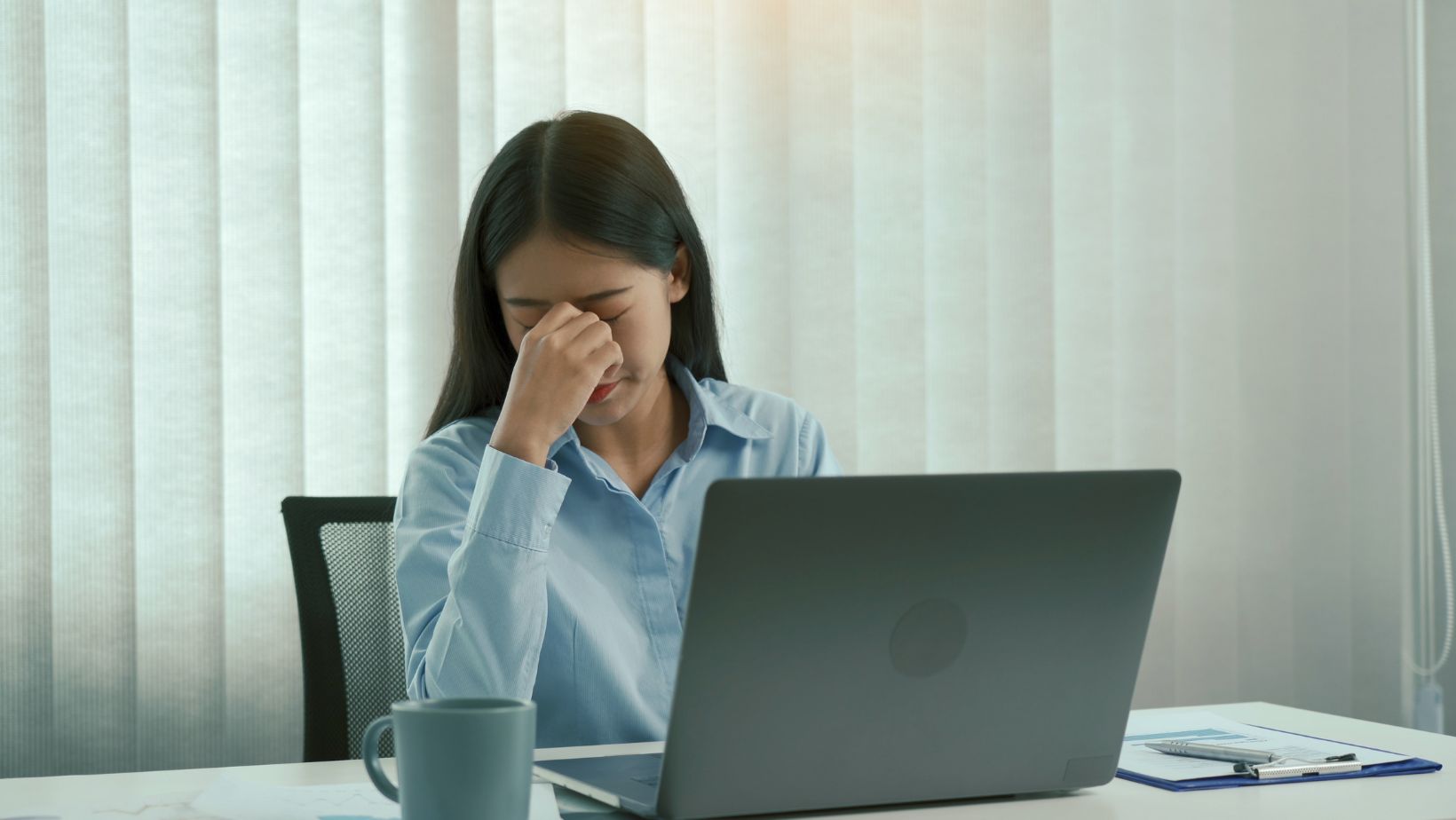
- Anxiety and Panic Attacks. Chronic stress is the number one cause of anxiety. Being in a state of constant alert can lead to anxiety, restlessness and even panic attacks. You might experience rapid heartbeats, trouble breathing or racing thoughts. Over time these episodes can develop into anxiety disorders where even simple situations feel overwhelming.
- Depression. Stress also contributes to depression. Prolonged worry, emotional fatigue and lack of relaxation can lead to feelings of hopelessness and helplessness. These feelings can disrupt your sleep, reduce your appetite and make you not enjoy activities you used to love. Chronic stress accumulates and can trigger depression especially when you feel like you’re losing control.
- Memory and Focus Problems. When stressed, concentrating and retaining information becomes hard. Cortisol the stress hormone can damage the hippocampus which is involved in memory and learning. This can affect your ability to focus, remember important details or make decisions. Over time this can affect your work, studies or daily tasks.
- Sleep Disorders. Stress and sleep issues go hand in hand. A stressed mind can’t relax making it hard to fall asleep or stay asleep. This can lead to insomnia or poor sleep quality and further exacerbate stress creating a cycle that’s hard to break. Poor sleep can affect your mood, cognitive function and immune system and worsen mental health.
- Burnout. Long term stress can lead to burnout – a state of deep physical, emotional and mental exhaustion. This happens when you feel overwhelmed with work or personal responsibilities and can’t find time to recover. Burnout can make you feel disconnected from your work, unmotivated and unable to do even simple tasks.
How to Manage Stress
Stress is inevitable but it doesn’t have to control your well-being. Here are some ways to manage stress and stop it from affecting your mental health.
- Mindfulness and Meditation. Mindfulness and meditation are great tools for stress management. These practices help you stay present, not get stuck in the past or worrying about the future. Meditation triggers the body’s relaxation response and reduces stress hormones like cortisol. Even a few minutes a day can clear your mind, increase emotional resilience and reduce stress.
- Get Moving. Exercise is a top stress reliever. It releases endorphins which are natural mood boosters that calm anxiety and relax. Regular physical activity also lowers cortisol levels so walking, yoga or gym workouts are great for your mental health.
- Eat Well. Your diet plays a big role in how your body handles stress. Eating foods rich in antioxidants, omega-3s and vitamins can reduce inflammation and boost brain function. Avoid too much caffeine and sugar to prevent anxiety from getting worse.
- Get Enough Sleep. Getting enough sleep is key to managing stress. Sleep and stress go hand in hand because each inflicts a toll on the other. Good physical and mental recovery is achieved with proper rest, establishing a schedule, reducing screen time prior to sleep, and having a formal sleeping ritual all work to improve overall sleep quality while simultaneously alleviating stress.
- Reach Out for Support. Dealing with stress becomes much easier when you have someone to talk to. Whether it’s a close friend, a family member, or even an online group where you feel supported, sharing your concerns can help you see things in a new light and remind you that you’re not alone. If stress is starting to feel overwhelming, reaching out to a mental health professional is a wise decision.

- Set Realistic Goals and Manage Your Time. Overloading yourself with tasks can increase stress. To keep it manageable break tasks into smaller steps, set achievable goals and make the most of your time. Say no when you need to and prioritise the important tasks to get back in control of your life.
- Do What You Love. Doing things you love can reduce stress. Whether it’s reading, painting, gardening or listening to music, doing something you enjoy can relax you and calm you down. Hobbies give you a sense of achievement and a positive way to release stress.