
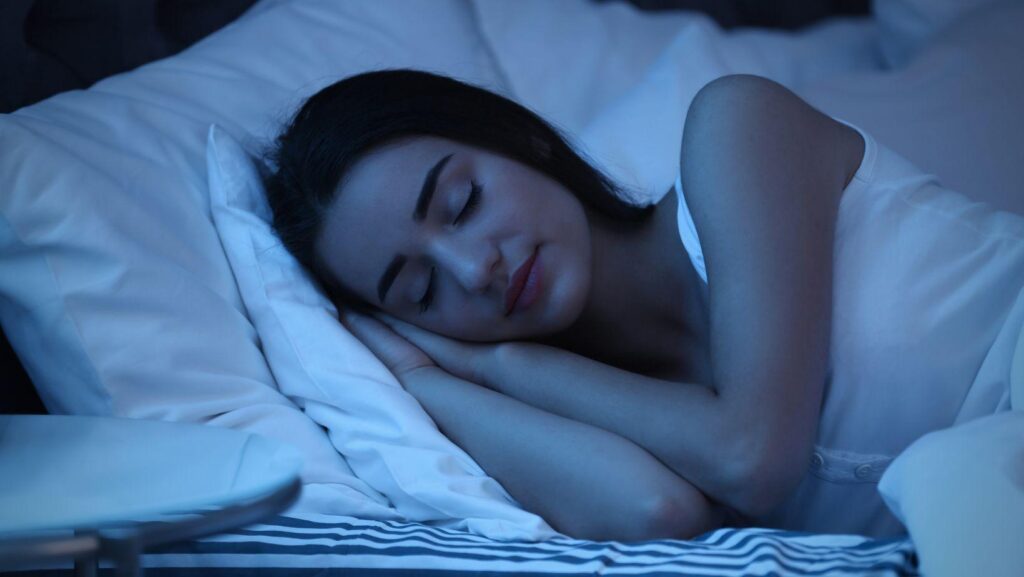
We talk a lot about diet and exercise when it comes to living well, but sleep tends to get treated as an afterthought — something that either happens or doesn't, rather than something you can actually get better at. In reality, sleep hygiene, the set of habits and environmental factors that shape how well you sleep, is one of the most trainable parts of your health routine. Here's what actually moves the needle.
Why sleep hygiene matters more than people think
Sleep isn't just downtime for the brain. It's when the body repairs tissue, consolidates memory, regulates hormones, and resets the nervous system for the next day. Chronic poor sleep has been linked to everything from weakened immune function to mood instability to a higher risk of long-term health issues. The good news is that sleep quality responds fairly quickly to changes in habits and environment — you don't need months to see a difference, often just a few consistent nights.
Start with consistency, not perfection
The single most reliable lever for better sleep is a consistent sleep and wake time, even on weekends. The body's internal clock, or circadian rhythm, thrives on predictability. Wildly varying bedtimes confuse that rhythm and make it harder to fall asleep and wake up feeling rested, even if you technically get enough hours.
Build a wind-down routine that actually works
Going from full activity to lights-out rarely works well. A wind-down routine, even a short one, signals to your brain that sleep is coming. Dimming lights, stepping away from screens, and doing something low-stimulation — reading, stretching, journaling — for twenty to thirty minutes before bed gives your nervous system time to downshift instead of asking it to switch off instantly.
Pay attention to light exposure
Light is one of the strongest signals your body uses to regulate sleep. Bright light, especially the blue light from phones and laptops, suppresses melatonin production and can trick your brain into thinking it's earlier in the day than it is. Getting natural light exposure in the morning and dimming artificial light in the evening helps keep your circadian rhythm properly aligned.
Don't underestimate temperature
Temperature is one of the more overlooked components of sleep hygiene, but it plays a bigger role than many realize. Core body temperature naturally drops as we fall asleep, and a room or bed that's too warm can actively work against that process, leading to restless, lower-quality sleep even when everything else is dialed in. Bed cooling systems from Sleepme actively regulate mattress temperature all night long to address the source. What makes Chilipad 2.0 different from its competitors is direct-to-mattress temperature control without excessive sensors, complexity, and a higher price point.
Watch what goes in before bed
Caffeine has a longer half-life than most people assume, meaning an afternoon coffee can still be affecting your sleep hours later. Alcohol, despite feeling sedating, actually fragments sleep and reduces the amount of restorative deep sleep you get. Heavy meals close to bedtime can also disrupt sleep by keeping digestion active when the body is trying to wind down.
Make your bedroom a sleep-only zone
The more your brain associates your bed with sleep specifically, rather than scrolling, working, or watching TV, the easier it becomes to fall asleep when you get into it. This is one of the simplest and most underrated pieces of sleep hygiene advice: treating the bedroom as a single-purpose space rather than a multi-use one.
Small changes, real results
None of this requires an overnight life overhaul. Sleep hygiene improves incrementally — a slightly more consistent bedtime this week, a bit less screen time before bed next week, addressing bedroom temperature after that. Stack enough of these small, sustainable changes together, and the cumulative effect on how rested you feel can be significant.