
You may be exercising your body to the maximum. But what if the most critical part happens once you stop?
Most often, people ignore the recovery process. They concentrate on nutrition and training plans. They are concerned about sleep. Yet they do not think about what will come afterward.
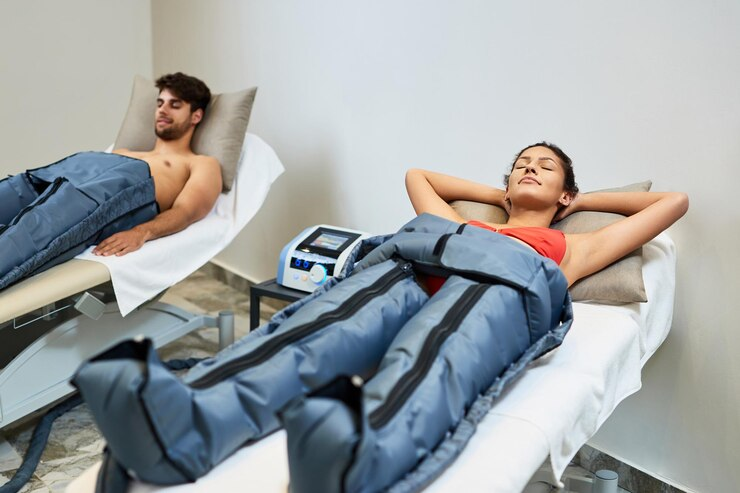
Recovery leg gear makes all the difference. Compression boots, wraps, and sleeves make your body recover quicker. This technology was once elite sports equipment. But anyone can utilize it now.
Recovery gear works whether you are a cyclist, weekend warrior, or stand all day. Science confirms it. Here are seven must-know facts about how this gear works and why it may be the performance boost you lacked.
1. It Gets Your Blood Moving Better
After strenuous exercise, your muscles require oxygen and nutrients to replenish. They are screaming for help.
The compression gear is designed to squeeze your legs intelligently. It fits tighter on your ankles and looser up your leg. It aids in pumping blood back towards your heart, fighting the pull of gravity.
Consider it as giving your circulation system a lift. With the gear, the sweet, oxygenated blood gets to your fatigued muscles sooner. The better the blood flows, the faster your muscular tissues recover.
You will not feel so beat up and will be ready to go sooner. Systems using recovery legs take it one step further, utilizing dynamic pressure patterns. They know how to make your blood pump when you have pushed yourself.
2. Clears Out the Junk Your Muscles Don’t Want
Intense exercises produce waste in your muscles. You feel that burn, don’t you? That is hard at work. However, other things, such as creatinine kinase, remain longer, so you feel fatigued and achy.
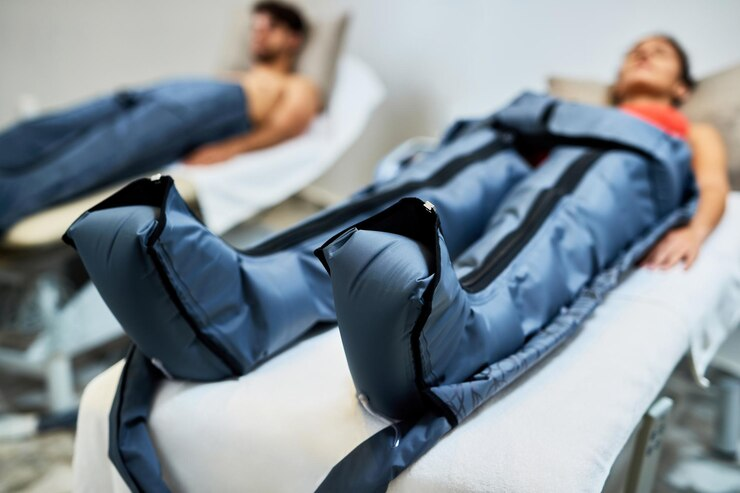
Recovery boots and leggings aid in flushing this junk out. The boots pump up and down like a pump, pushing blood and lymphatic fluids through your body. It is a kick for your body to rid itself of harmful waste.
The process reduces the amount of time you feel exhausted. A study looked at the effectiveness of intermittent pneumatic compression (IPC) after intense lower-body exercise.
The study established that IPC is a viable recovery factor that supports athletes in managing fatigue and quickening performance.
3. Those Sore Muscles Feel Human Again
Are you familiar with that soreness that comes 24 to 48 hours after strenuous exercise? It is called DOMS (Delayed Onset Muscle Soreness). It may ruin your training and make you feel as though a car has run over you.
The recovery leg gear combats DOMS. The compression pressurizes your muscles, thereby allowing less inflammation and swelling. The less swelling there is, the less pain there is.
Imagine a marathon runner putting on recovery boots 30 minutes after the race. They will have less pain in their quads and calves than those who engage in static stretching.
The same applies to weightlifters. On leg day, put on the compression leggings; your glutes and hamstrings will not be nearly as angry. You will feel like training more.
4. Keeps the Swelling Down
Intensive exercises cause microtears in your muscle fibers. Your body reacts by inflaming. A slight swelling aids healing, but excessive swelling slows healing and causes more pain.
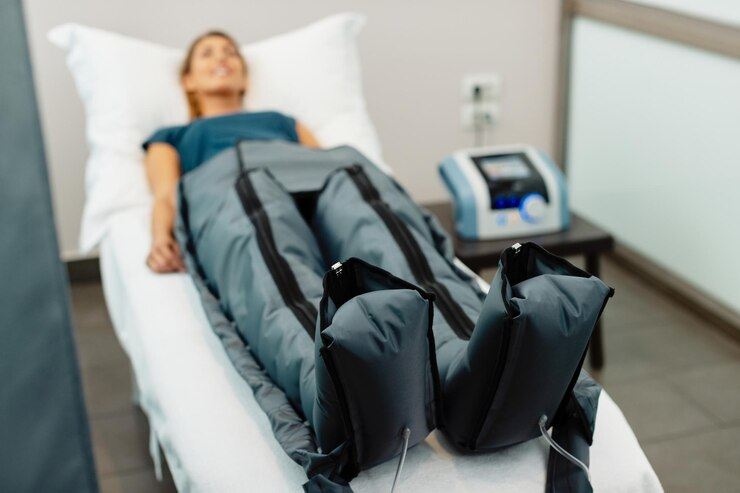
Intermittent Pneumatic Compression (IPC) is the technology that runs most recovery boots. Such systems employ sets of air chambers that fill and empty one at a time, providing a pumping effect along your leg.
This light massage increases the level of lymphatic drainage. It flushes out excess water and cellular waste that accumulates after intense exercise.
A study tried IPC on trail runners. Researchers found that it significantly affects muscle damage and swelling of markers.
5. Gives Your Muscles Some Much-Needed Support
Compression gear doesn’t only help after workouts. It works for them, too. When you run, jump, or lift, your muscles shake and vibrate on impact. These tiny vibrations tire you out and can cause small tears.
Compression sleeves and leggings fit snugly around your muscles, keeping them stable and supported. It helps in three ways:
Less muscle shaking means less fatigue with each step or movement. The pressure on your skin helps you feel where your body is positioned, which can improve your form. Holding muscles firmly reduces stress and damage during high-impact activities.
Picture a basketball player in compression leggings. The gear supports their quads and hamstrings during explosive jumps and quick direction changes, cutting fatigue and strain risk throughout the game.
6. Gets You Back in the Game Faster
Recovery helps you return to your sport stronger and faster. When recovery gear improves circulation and removes waste, muscles repair more efficiently. It means your strength, power, and endurance come back quicker.
Research shows that athletes using leg recovery systems regain peak performance more quickly. A 2024 meta-analysis in Sports Medicine found that compression garments don’t directly improve muscle function like peak torque. But they’re great at reducing muscle soreness and swelling.
Less pain and discomfort mean you feel ready to train harder sooner. Many athletes say the feeling compares to getting a post-workout massage. It’s a convenient and effective alternative that fits into your routine easily.
The key is consistent use. Recovery gear works best when you make it part of your regular training schedule, not something you only use after strenuous workouts.
7. Keeps You from Breaking Down Over Time
Repetition builds performance in sports, but much training can raise the risk of injuries. You are predisposed to shin splints, tendonitis, and stress fractures when you train hard frequently.
You can avoid it by incorporating recovery into your daily activities. Recovery leg gear will ensure your muscles are not taking extra fatigue and inflammation into the following workout. It allows tissue to be repaired and adapted completely, making it stronger to resist training stresses.
An endurance runner who wears recovery boots 3-4 times a week keeps the lower legs fresh every time he runs. It reduces the accumulation of stress that can lead to injury.
This proactive approach to muscle health will enable you to train at high loads and reach new limits without repeatedly feeling burned out or injured.
The Bottom Line
Recovery legs technology is not farce. Science demonstrates that it is working. This technology addresses everything your body needs after exercising. Improved circulation, less stiffness, and muscle recovery in a shorter time. It hits every point.
Whether to win, break a record, or even recover, recovery is as important as the training—maybe more. So, level up your recovery. Speak to a trainer or physical therapist. They will advise you on gears that suit you well.