
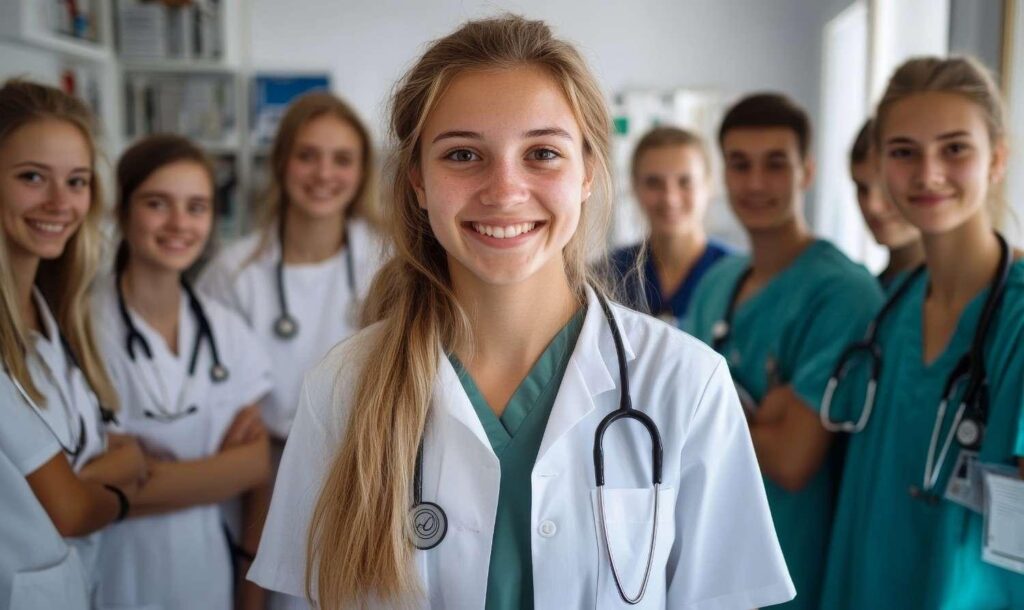
For many aspiring medical professionals, the journey begins in a high school biology lab. But today, an increasing number of high school students are stepping beyond textbooks and into real healthcare settings. They’re observing clinical practice, shadowing doctors, and experiencing the pace of a true medical environment firsthand.
This shift reflects a growing trend: ambitious teens are seeking medical internships and summer internship programs well before college, eager to explore their potential career path early.
These internship programs offer far more than resume boosters. They provide early clinical experience and meaningful medical mentorship, helping shape resilient, empathetic, and skilled future medical professionals who will one day guide American healthcare.
Clinical Shadowing
Clinical shadowing is often a student’s first true window into the medical profession. Through these programs, students observe physicians in settings such as emergency medicine, primary care, or other hospital-based roles, environments where every decision matters.
Watching real-world medical examinations allows them to see how clinical knowledge, communication, and empathy come together in practice. They witness how doctors explain diagnoses, manage patient concerns, and work as part of a healthcare team. With this experience, they develop the empathy and patient-centered perspective that will define them as future healthcare leaders.
But this early clinical experience goes far beyond classroom learning. It also helps students realistically assess the demands and rewards of a medical career path. For many, shadowing doctors either confirms their passion for healthcare or gives them clarity before committing to the long road to medical school.
When exploring options, look for internship high school programs that offer medical internships with structured shadowing opportunities to ensure your child gains meaningful exposure to the field.
Skill Acquisition
High school medical internships give students the chance to build foundational knowledge that can’t be learned from a textbook alone. While they primarily observe rather than perform clinical procedures, students may have opportunities to learn basics like how to properly take vital signs or earn a CPR/BLS certification, which are foundational elements of clinical training.
Many medical programs also expose students to the high-tech tools shaping modern healthcare. They might observe medical imaging procedures, watch surgical techniques, or learn about emerging AI applications used in diagnosis and patient monitoring. Some programs incorporate hands-on laboratory work that deepens students’ understanding of biological sciences.
These experiences demystify the technical side of medicine and help students gain confidence as they explore a future in healthcare. And by understanding the tools and techniques used in modern medicine, tomorrow’s healthcare leaders develop an appreciation for how technology and clinical expertise work together to improve patient outcomes.
The Lab as a Launchpad
For students drawn to discovery, summer research and STEM research programs provide an early gateway into biomedical science and medical research. Through summer internships, high school students may assist with real research projects in professional labs, exploring areas such as cancer research, public health, or other biological sciences. While their contributions are typically at an introductory level, such as preparing samples, recording data, or literature reviews, these hands-on experiences teach critical thinking and data analysis.
Many programs also introduce concepts that deepen students’ understanding of how research translates into real-world impact. Students might learn about translational research, which bridges bench science and clinical practice, or explore topics in genetics and public health. This exposure not only strengthens a future medical school applicant’s foundation but also helps them understand how research drives innovation in modern healthcare.
By engaging with the research process early, students develop the curiosity and analytical skills that will make them innovative healthcare leaders capable of advancing medical science alongside patient care.
Networking and Mentorship
One of the most lasting benefits of high school medical internships is the chance to connect with experienced professionals who can guide them on their journey. Specialised opportunities, such as a pediatrics internship program or research tracks, can give students access to doctors, researchers, and healthcare workers who offer real advice about what it takes to succeed in medicine.
Through program events, interns may also meet medical students, researchers, and clinicians who share honest insights about training, work-life balance, and career decisions. Many programs may even introduce students to broader healthcare topics like public health disparities and the impact of public health interventions in American communities.
These early connections help high school students see the bigger picture of healthcare while building relationships with mentors who can offer support and guidance as they navigate their future career path.
The Competitive Edge in College Admissions
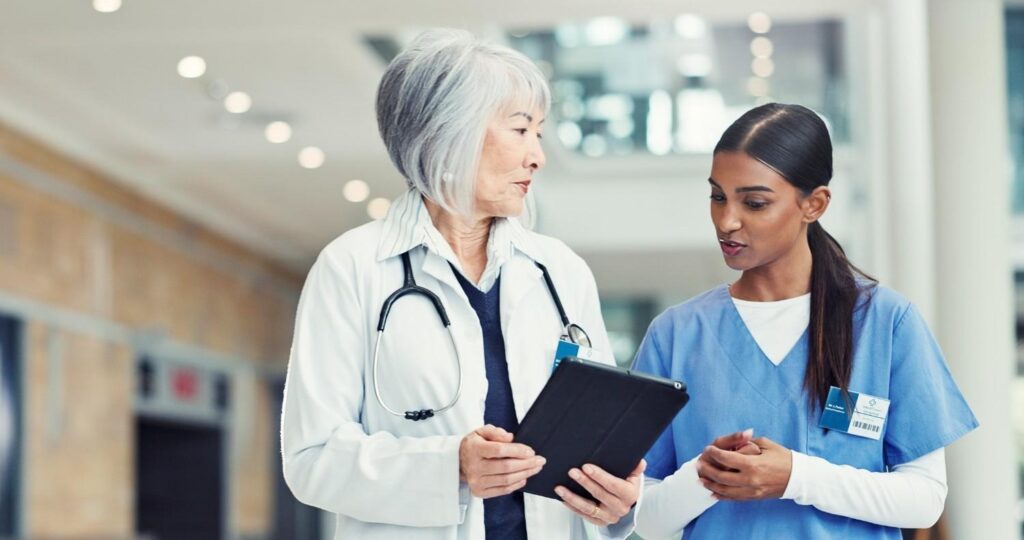
Participating in medical internships gives high school students a clear advantage in college admissions. Admissions officers value experiences that demonstrate commitment, responsibility, and real-world exposure to healthcare. That said, participating in hospital-based programs or healthcare volunteering shows maturity, professionalism, and the ability to work in structured medical environments.
These early experiences also help students articulate a focused academic and career path, laying a strong foundation to eventually become competitive medical school applicants. By gaining clinical exposure, research experience, and mentorship early on, students present themselves not just as high achievers but as motivated future medical professionals with a clear sense of purpose and direction, qualities that define effective healthcare leaders.
Final Thoughts
Summer internship programs do more than fill a student’s calendar; they transform how high school students see medicine, science, and their own potential. Early exposure to clinical environments also helps students connect classroom learning to real human impact, while building the confidence and clarity needed to pursue a medical career with purpose.
By investing in these early experiences, we’re preparing the next generation of healthcare leaders to enter medical school ready not just for its academic rigor, but for the ethical responsibility and compassion that define excellent patient care.