

Every day, minor moments turn into major emergencies: a slippery kitchen floor, a misplaced tool in the garage, a child’s curiosity near the stove. We think of accidents as rare events, but the truth is, they happen quietly and constantly. What’s more surprising? Most people still wouldn’t know what to do if something went wrong. Taking a First aid and CPR course Edmonton isn’t just about being a helpful person, it’s about learning how to act when seconds count and panic takes over.
1. Accidents Don’t Wait for Big Moments
Health emergencies don’t always look dramatic. They start as small interruptions: a fall, a burn, a cut, or a moment when someone chokes at dinner. The Canadian Red Cross reports that most injuries occur at home or in familiar settings, not on the road or at work. That means preparedness isn’t a niche skill, it’s an everyday one.
Think about it: you’re far more likely to deal with a kitchen mishap or a fainting spell than a Hollywood-style disaster. But without basic first aid knowledge, even minor events can escalate quickly. A few minutes of calm, confident action can often make the difference between recovery and regret.
2. The Confidence Gap in Everyday Health
One of the biggest barriers to responding in emergencies isn’t lack of compassion, it’s lack of confidence. Most people freeze because they’re afraid of doing something wrong. But here’s the truth: inaction often does more harm than imperfect action.
A certified course removes that fear. It teaches you how to assess a situation safely, when to step in, and how to avoid common mistakes. The goal isn’t to replace medical professionals, it’s to bridge the gap until they arrive.
Confidence, in this context, isn’t about bravado. It’s about calm. It’s knowing how to stop bleeding, handle burns, assist a choking person, or recognize signs of cardiac distress skills that could save a life before the professionals even reach the scene.
3. The Hidden Cost of Being Unprepared
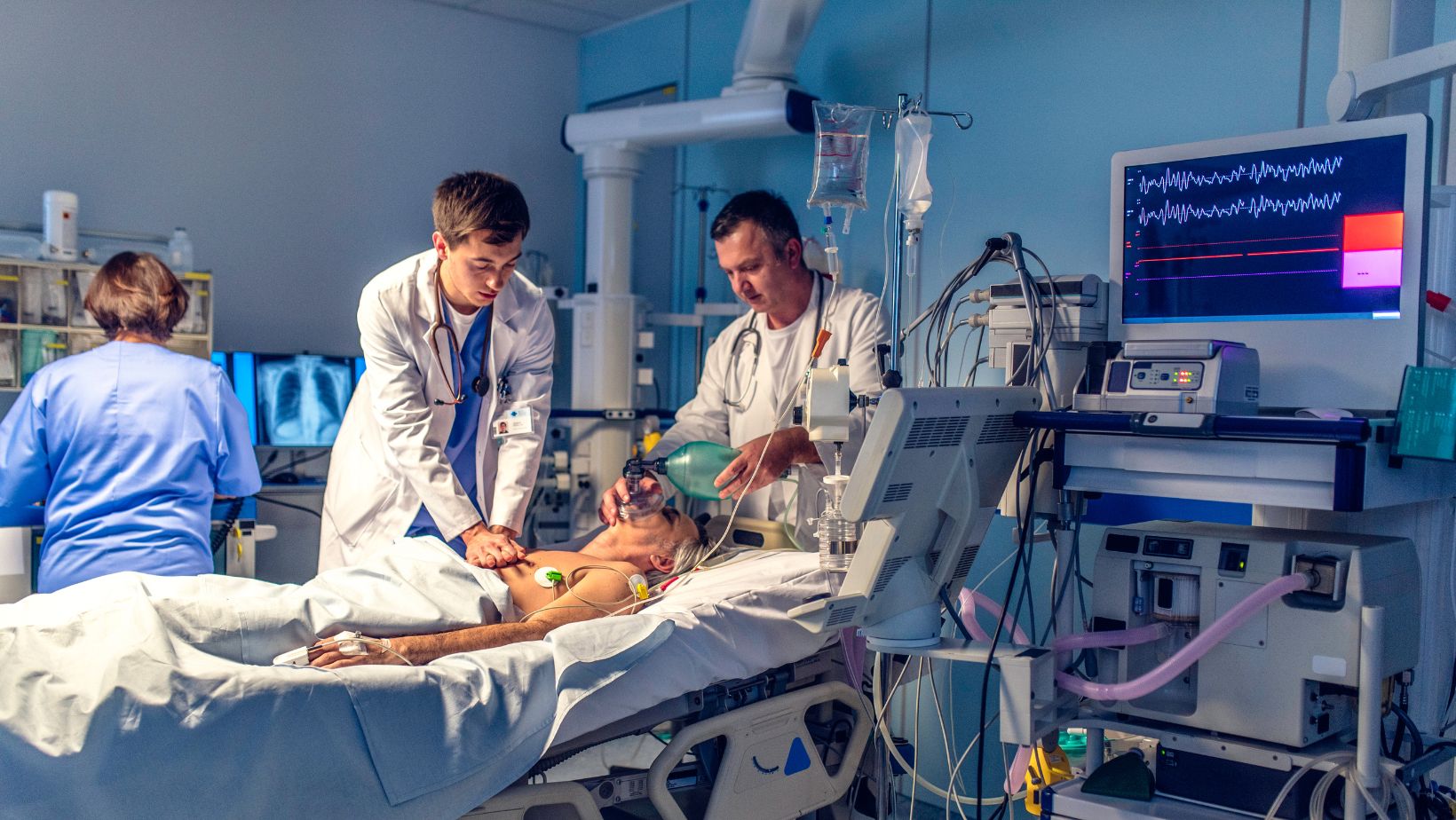
When accidents happen, unpreparedness doesn’t just cost time it can cost outcomes. In cardiac emergencies, for example, survival rates drop by roughly 10% for every minute that CPR isn’t performed. That’s not a statistic from a movie that’s reality.
But beyond physical outcomes, there’s emotional impact too. People often carry guilt long after an incident, wishing they had known what to do. Learning first aid and CPR removes that uncertainty. It gives you tools and mental clarity, two things that vanish quickly under pressure.
Preparedness isn’t about paranoia. It’s about empowerment. It means replacing fear with focus.
4. Why It Matters More Than Ever
In today’s world, health awareness has never been higher yet practical readiness often falls behind. We track steps, calories, and heart rates, but we rarely practice what to do when health suddenly fails.
The irony is striking: we invest in prevention but ignore intervention. Knowing how to act in a health emergency is part of holistic wellness as important as exercise or diet. It’s not dramatic; it’s disciplined.
Whether you’re a parent, teacher, fitness instructor, or simply someone who spends time around others, having first aid knowledge creates safer spaces everywhere you go.
5. Small Actions, Big Impact
One of the most powerful parts of taking a course is realizing how small actions can have huge results. Tilting a choking victim’s head the right way, applying steady pressure to a wound, using an AED confidently these are not complicated tasks. They just require familiarity.
And when you’ve been trained, that familiarity feels second nature. You don’t have to think you just act. That’s what saves time, and often, lives.
6. Building a Culture of Readiness
Health shouldn’t end at self-care, it should extend to community care. Imagine if every home, workplace, or gym had at least one person trained to handle medical emergencies. That’s not far-fetched, it’s achievable, and it starts with awareness.
Taking a few hours to complete a certified course doesn’t just make you prepared; it inspires others to do the same. Preparedness spreads quietly, confidently, and effectively.
Final Thoughts: Preparedness Is a Form of Wellness
In the same way we stretch to prevent injuries or eat better to stay healthy, learning how to respond when things go wrong is part of complete health. Accidents are unpredictable but our response doesn’t have to be.
Readiness isn’t dramatic. It’s simple, practical, and profoundly human. And when the unexpected happens, it’s not luck that saves a life, it’s knowledge.