
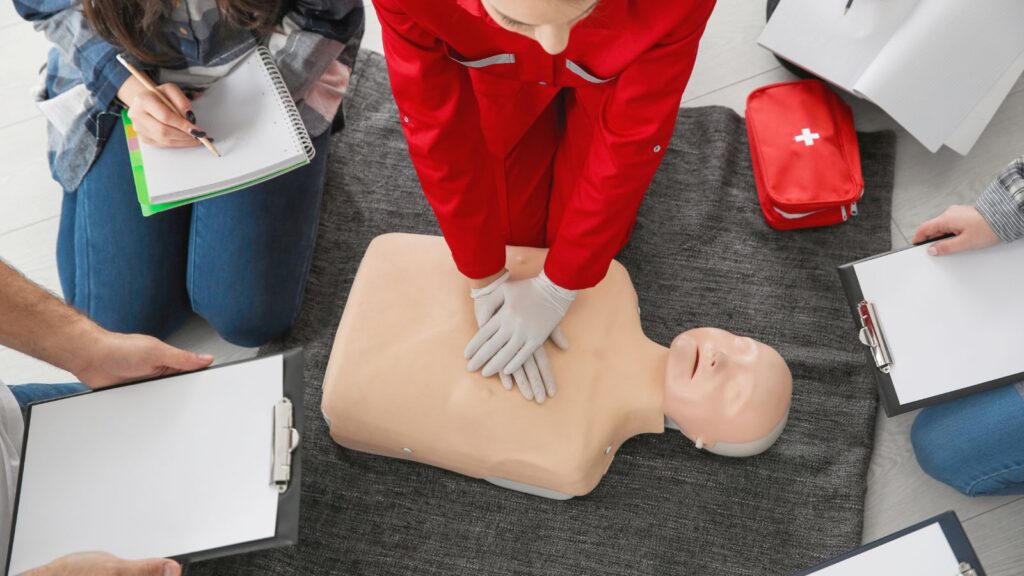
Organization or workplace safety depends upon how well the employees are trained to handle an emergency, such as a cardiac arrest. A valid certificate ensures that employees are well-trained and knowledgeable about the latest developments in the guidelines related to CPR and basic life support techniques.
According to the National Institutes of Health, providing immediate Cardiopulmonary Resuscitation (CPR) can increase the chances of survival by up to 28%. CPR renewal courses address this issue by reintroducing basic methods and incorporating the latest scientific findings into daily practice. With the right technique and knowledge that comes with CPR training, you can give appropriate care to the patient. Read this blog to learn about how Employers Track and renew CPR Training Certifications.
CPR Training Renewal Certification
Renewing a CPR certification is a systematic, coordinated approach to maintain lifesaving skills through renewal and skill advancement. This process allows Professionals to study, practice, and enhance their ability to apply lifesaving and resuscitation techniques. Participants who take a renewal CPR course can be assured that they will stay capable and confident in the face of an unforeseen life-threatening cardiac event. CPR training provides the skills to manage cardiac and respiratory emergencies, use an automated external defibrillator (AED), perform rescue breaths, and provide chest compressions.
Many of the renewal courses generally include scenario-based training that evaluates the student’s skill with performance under pressure. Classes also offer a safe place for the student to learn or review the most current safety recommendations, medical policies, and emergency procedures.
Significance of CPR Training Renewal Certification for Employees
CPR renewal helps ensure that employees are aware of the latest guidelines and innovations. This builds trust in professionals and increases their confidence during an emergency. These benefits showcase the importance of CPR renewal training:
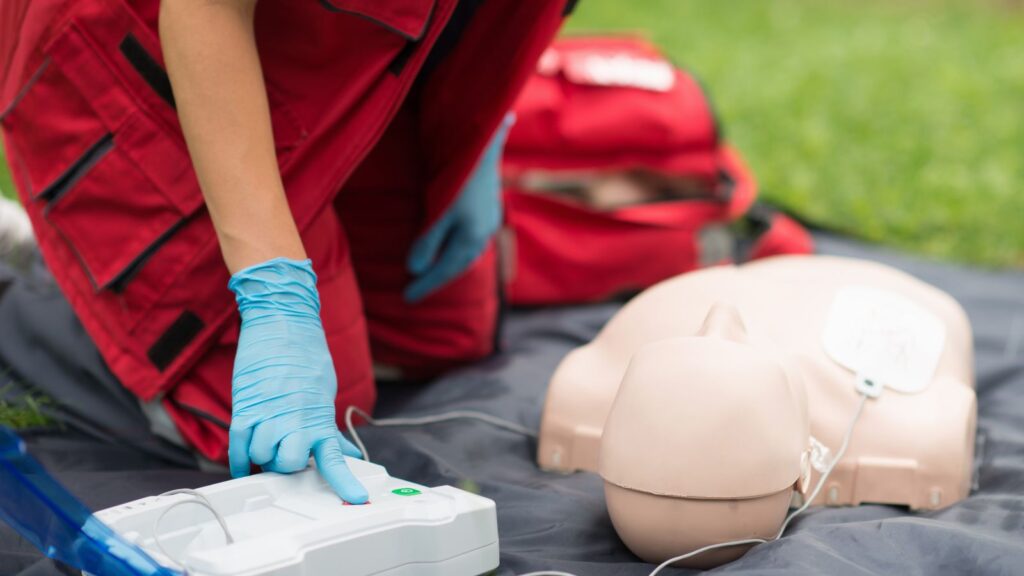
Prepared For Emergencies
Employees who complete renewal courses will be prepared to respond efficiently to any emergency. According to reports, the fatality rate for people with Out-Of-Hospital Cardiac Arrest (OHCA) is high, with only a survival rate of 22% for people who received cardiopulmonary resuscitation. Renewals help you remember things more effectively, stay accurate, and respond more quickly when you’re under stress.
Legal Requirements
Government and organizations require valid certification before clinical practice. Allowing certification to lapse can result in disciplinary actions. Completing the renewal on time maintains job stability and demonstrates your professionalism. This also ensures that you are familiar with the latest guidelines.
Better Teamwork
First responders need proper teamwork to perform effectively in an emergency. CPR Renewal courses keep everyone informed with the latest rules, which makes it easier for everyone to work together. Team members who have undergone CPR training can help expedite patient care and reduce errors.
Boosting Self-Confidence
Confidence is an important tool when navigating medical issues. In addition to improving technical skills, renewal also makes it easier to make decisions. When they are under a lot of stress, trained employees feel more confident.
What is the Time Frame for CPR certification Renewal?
The standard recommendation is to renew your CPR certification every two years. This ensures that your skills are consistent with the latest guidelines. Without proper renewal, the capacity to perform lifesaving techniques can erode over time. The two-year period of the renewal cycle provides you with access to updates on modifications of protocols. Renewal courses ensure that during any emergency case, you adopt the most up-to-date methods of CPR.
Ways Employers Track Certification Renewal Time
Employers use multiple ways to track, verify, and manage employees’ CPR certifications so that every employee is compliant and prepared for emergencies. Tracking systems help organizations avoid lapses in compliance and enforce a a culture of preparedness.
Manual Tracking Systems
- Some of the smaller businesses still rely on using spreadsheets, printed forms, or rudimentary tools for tracking. Plain systems like these are simple and easy to navigate; however, they usually require the human resources (HR) team to update data regularly.
- Certifications are recorded in rosters by date, and when employees must renew, reminders are often sent either via email or memo. However, this simplicity can create problems in missing certification renewals or losing certificates.
- Manual systems require ongoing vigorous administrative tracking and discipline to remain efficient and effective long-term; this approach is perfect for small teams but may hinder larger organizations that experience fast growth.
Digital Record Management Systems
- Larger organizations and healthcare facilities typically use digital compliance or learning management systems for tracking purposes. These systems provide a way to gather employee certification information, track renewal dates, and issue alerts when renewals are near.
- Managers will also frequently be able to view dashboards that indicate who is certified and who is not, without worrying about paper or notes. Digital systems offer centralized compliance that can limit the documentation required and allow instant employee status during audits or inspections.
- Digital record systems improve compliance accuracy, communications, and transparency, as well as provide safety administrators with a quick way to check multiple departments at the same time if necessary.
Partnership with Online Training Providers
- Many employers are now partners with the trusted online CPR certification provider for the sake of convenience. Digital certificates can be displayed and verified instantly through secure online learning portals.
- The partnership allows employers to receive automatic updates every time an employee completes and/or renews certification. This integration removes a lot of the administrative effort while ensuring that all compliance is accurate and up to date across the organization.
- This integration also simplifies reporting and compliance with regulatory standards, and creates an overall safer workplace through management of CPR compliance.
Process of CPR Renewal Programs For Employees
To maintain their certification, employees must meet certain requirements in a CPR renewal course. These rules ensure that every first responder remains knowledgeable, updated, and confident with the most recent standards:
Accredited Providers
Employers require certifications from reputable organizations to ensure that quality is consistently maintained. Choosing trustworthy providers ensures that the renewal certificate will be accepted nationwide.
When To Renew
CPR certifications last for two years. Employees must remember the due date and attend on time to maintain the validity of their training. Online renewal courses have made it easy to renew certifications.
A Valid Certification
To renew their CPR certification, professionals must already hold a valid CPR certification. Renewing on time is essential because if your credentials are out of date, you may have to retake the entire course. Keeping track of expiration dates can help you avoid unwanted delays.
Regular Assessment
Renewal programs require you to complete the final tests to qualify for the certification. This examines the ability of the individual to perform Cardiopulmonary Resuscitation, use an Automated External Defibrillator (AED), and administer rescue breathing. At the same time, online courses provide students with the latest information and medical guidelines.
Simulations in Groups
Renewal places a strong emphasis on team-based resuscitation, as paramedics and EMTs often work in groups. The Simulations in group training improve the coordination, leadership, and communication skills among the professionals. This imparts effective teamwork skills, which are very much needed during an emergency.
Final Written Examination
Many renewal programs utilize written tests to assess participants’ understanding of the most recent treatment techniques and algorithms. Taking these tests demonstrates that you understand the theory and are ready to apply it in practice.
Staying on Track with CPR Certification
Employers play an important role in keeping CPR certifications valid and current. Most companies use HR systems or compliance software to track expiration dates, send reminders, and arrange recertification sessions. This helps the team stay ready for emergencies and also keeps the organization compliant with legal or industry rules. In fields like healthcare, an expired certification can prevent you from performing your duties, so staying updated protects both your safety and your job.
To make renewals easier, many employers work with approved training providers who run onsite or online courses designed for their teams. They also use automatic reminders, group classes, and links to learning platforms to make the process smoother. When you understand how your employer tracks and renews CPR certifications, you can plan your own timeline with the online CPR AED Course, stay qualified, and always be prepared.