
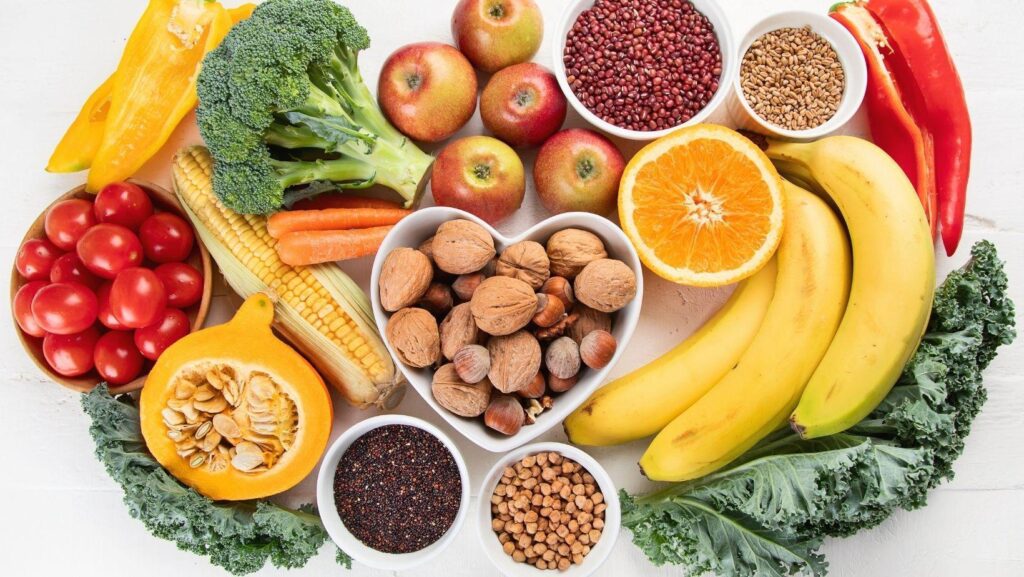
When people start learning about the low-FODMAP diet, they usually expect the obvious offenders: garlic, onion, beans, and wheat. What tends to catch people off guard is discovering that a long list of foods marketed as healthy, natural, or even “gut-friendly” are actually loaded with fermentable carbohydrates. These surprises are often what derail an otherwise careful low-FODMAP effort, simply because nobody thought to question them in the first place.
Why “Healthy” Doesn’t Mean Low-FODMAP
There’s a common assumption that anything whole, unprocessed, or plant-based must be gentle on digestion. FODMAPs don’t work that way. They’re naturally occurring carbohydrates found across many nutritious foods, including fruits, vegetables, legumes, and whole grains. A food can be nutrient-dense and still be a significant source of fermentable sugars that trigger bloating and discomfort in someone with a sensitive gut. This mismatch between “healthy” and “well tolerated” is exactly why so many surprising foods show up on high-FODMAP lists.
Apples, Pears, and Other “Safe” Fruits
Fruit is often the first place people get tripped up, since it’s rarely associated with digestive trouble the way fried food or dairy might be. Apples and pears are two of the most common surprises. Both contain excess fructose along with sorbitol, a sugar alcohol that falls into the polyol category, one of the four FODMAP groups. Watermelon, another fruit that seems refreshing and simple, is also high in excess fructose. Foods with polyols in particular tend to catch people off guard because they show up in fruit that seems entirely unremarkable, and the fermentation they cause can be slower and longer-lasting than other FODMAP types.
Onion and Garlic Hiding in Plain Sight
Most people following a low-FODMAP diet already know to avoid whole onion and garlic, but the surprise comes from how often these ingredients show up in processed and packaged foods where they aren’t the star ingredient. Broths, sauces, salad dressings, seasoned chips, deli meats, and even some spice blends frequently include onion or garlic powder as a flavor base. Because these are used in small quantities, they’re easy to overlook on an ingredient label, yet fructans from onion and garlic are potent enough to cause symptoms even in small amounts.
Wheat-Based Foods Beyond Bread
Bread and pasta are usually flagged early on, but wheat shows up in far more places than people expect. Certain breakfast cereals, granola bars, couscous, some crackers, and even beer all contain meaningful amounts of fructans from wheat. Because these foods don’t always look or taste like “bread,” they’re easy to eat without connecting them to a wheat-related reaction, especially when someone believes they’ve already cut wheat down to a manageable level.
Legumes in Unexpected Places
Beans and lentils are known FODMAP contributors, but they turn up in foods that don’t obviously read as “legume-based.” Hummus, certain veggie burgers, some protein powders, and canned soups often rely on chickpeas or lentils as a base ingredient. Soy products, including soy milk made from whole soybeans, also fall into this category, which can be surprising for anyone who assumed plant-based dairy alternatives would be an easy substitution.
Honey and Other Natural Sweeteners
Honey has a health-conscious reputation that makes it an easy blind spot. It’s high in excess fructose, similar to the fruits mentioned earlier, and can cause the same kind of fermentation-related symptoms in sensitive individuals. Agave nectar carries an even higher fructose concentration and is often marketed as a “natural” sugar alternative, which makes it another common surprise for people trying to swap out refined sugar without realizing they’ve traded one FODMAP source for another.
Dairy Alternatives and Fortified Foods
Cashew milk, in particular, can be a surprise since cashews are moderately high in FODMAPs, unlike almonds, which are lower in FODMAPs when eaten in small servings. Some plant-based yogurts and protein bars also include inulin or chicory root fiber as an added ingredient for fiber content, both of which are concentrated sources of fructans. These additives are often included specifically because they’re marketed as prebiotic or gut-supportive, which makes the resulting digestive discomfort feel especially counterintuitive.
Mushrooms and Certain Vegetables
Mushrooms are a lesser-known source of mannitol, another polyol, and can cause noticeable symptoms in people who are otherwise careful about their vegetable choices. Cauliflower, another vegetable often assumed to be a safe, low-calorie option, is also high in mannitol. Because these vegetables are frequently recommended in general healthy-eating advice, they’re easy to add to a plate without a second thought.
Sugar-Free and “Diet” Products
Sugar-free gum, mints, and some diet-friendly snack bars often rely on polyol sweeteners like sorbitol, mannitol, xylitol, or maltitol to replace sugar. These are added specifically because they don’t spike blood sugar the way regular sugar does, but that same slow absorption is what makes them so fermentable in the gut. Even a few pieces of sugar-free gum chewed throughout the day can add up to a surprising amount of polyol intake.
Reading Past the Marketing
The common thread across all of these surprises is that FODMAP content has very little to do with how a food is marketed or perceived nutritionally. A food can be labeled natural, healthy, prebiotic, or sugar-free and still carry a meaningful fermentable carbohydrate load. For anyone managing digestive symptoms, the most reliable approach is checking ingredient lists directly rather than relying on a food’s health halo, since some of the most disruptive foods are hiding in plain sight among the ones that seem the safest.