
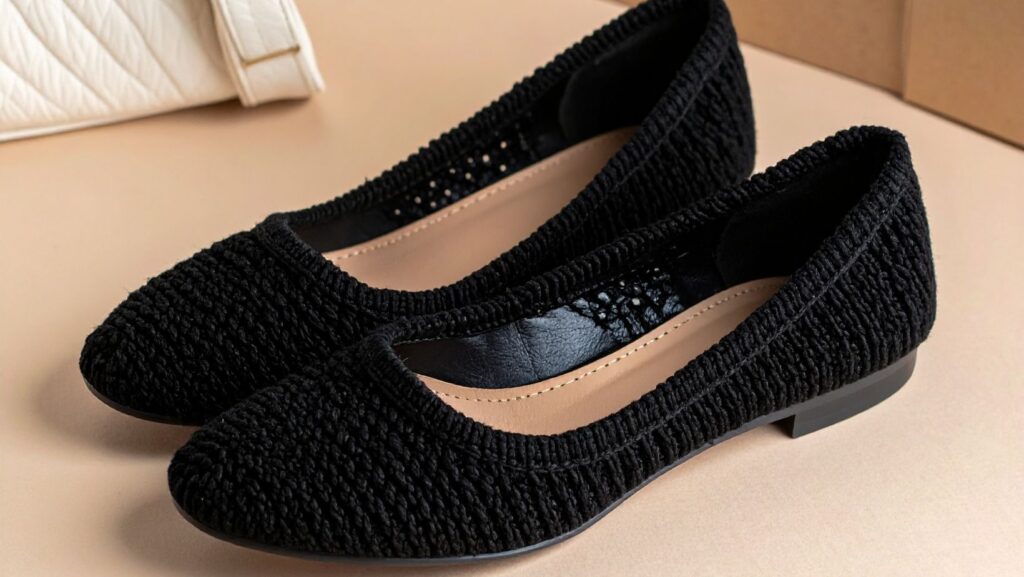
Living with diabetes means paying close attention to many aspects of your health, and your feet are no exception. Proper foot care is crucial for preventing serious complications, and choosing the right footwear is a major part of that. For many, this includes specialized footwear. Finding comfortable and effective diabetic shoes for women can feel like a challenge, but understanding what makes them different is the first step toward healthier, happier feet.
This guide will walk you through the essentials of diabetic footwear. We will explore why these shoes are so important, what specific features to look for, and how they can help you maintain an active and healthy lifestyle. By the end, you’ll have the knowledge needed to make informed decisions about your foot health and find shoes that offer both protection and comfort.
Why Foot Health is Critical in Diabetes
Diabetes can affect your body in several ways, and two of the most significant impacts on your feet are nerve damage and poor circulation. Nerve damage, also known as diabetic neuropathy, can cause a loss of sensation in your feet. This means you might not feel a small cut, blister, or sore. If left untreated, even a minor injury can become infected and lead to serious complications.
Poor circulation makes it harder for your body to heal. Reduced blood flow to the feet means that any sores or infections will take longer to recover from, increasing the risk of ulcers and other severe issues. The combination of not feeling an injury and having a reduced ability to heal creates a dangerous situation. This is why preventative care, including wearing the right shoes, is so important for anyone managing diabetes.
What Makes Diabetic Shoes Different?
At first glance, diabetic shoes may look like regular footwear, but they are engineered with specific protective features. Unlike standard shoes that might prioritize fashion over function, diabetic footwear is designed to minimize pressure, prevent irritation, and accommodate any foot changes. These shoes are not just about comfort; they are a medical tool designed to protect your feet from potential harm.
The construction of these shoes focuses on creating a safe environment for your feet. Every element, from the material to the sole, is chosen to reduce the risk of injury. They provide the support and space your feet need, helping to prevent the development of sores, calluses, and other issues that could escalate into more significant problems.
Key Features of Quality Diabetic Footwear
When searching for the right pair of diabetic shoes, there are several key features to look for. These design elements work together to provide maximum protection and support.
A non-binding, soft upper is essential. The material that covers the top of your foot should be flexible and free of irritating seams. This prevents rubbing and pressure points that could cause blisters or sores. Materials like soft leather or stretchable fabrics are often used to ensure a comfortable fit that doesn’t constrict the foot.
A deep and wide toe box is another critical feature. This provides ample room for your toes to move naturally without being cramped. It helps prevent conditions like bunions and hammertoes and reduces pressure on the front of your foot. This extra space is especially important if you experience any swelling.
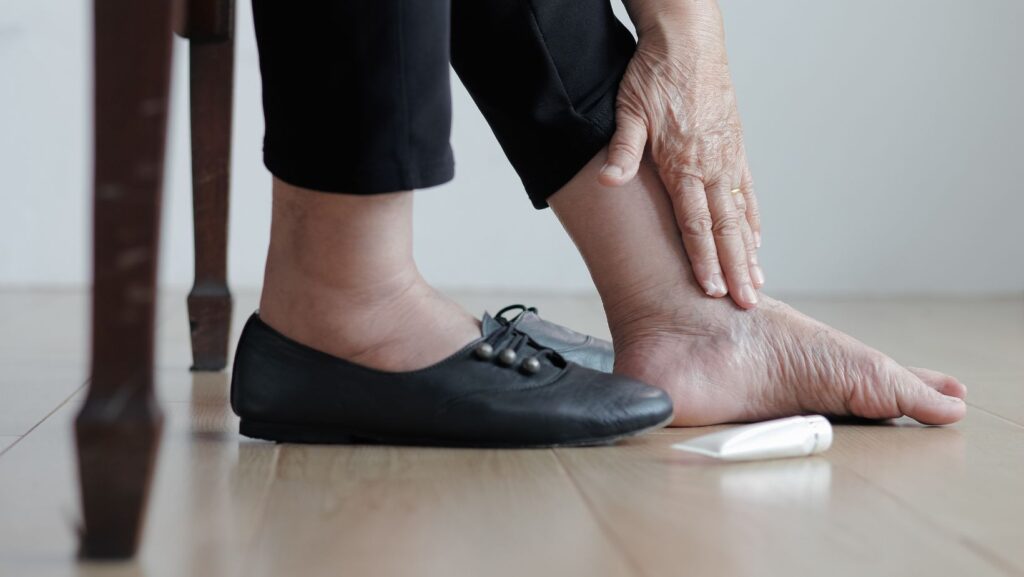
Protective and cushioned insoles are also a hallmark of good diabetic shoes. Many pairs come with removable insoles that can be replaced with custom orthotics if needed. These inserts are designed to absorb shock, distribute pressure evenly across the sole of your foot, and provide a soft, supportive base.
Finally, a sturdy outsole and a firm heel counter provide stability. The outsole should offer good traction to prevent slips and falls, while the heel counter cups the back of your foot, preventing it from sliding around inside the shoe. This secure fit helps maintain proper foot alignment and reduces the risk of ankle sprains or other injuries.
The Role of Custom Orthotics
While many diabetic shoes come with high-quality insoles, some individuals may need additional support in the form of custom orthotics. These are specially made inserts designed to fit the unique contours of your feet. A podiatrist can prescribe custom orthotics after a thorough examination of your foot structure and gait.
Orthotics can help address specific foot problems, such as flat feet, high arches, or pressure points that are unique to you. They provide targeted support and cushioning where you need it most, further reducing the risk of foot ulcers and other complications. When paired with a well-constructed diabetic shoe, custom orthotics offer the highest level of protection and comfort.
Finding the Right Fit and Style
Finding the right fit is arguably the most important part of selecting diabetic shoes. It’s best to have your feet professionally measured, as sizes can change over time. You should shop for shoes later in the day when your feet are likely to be at their largest due to natural swelling. When trying on shoes, make sure there is about half an inch of space between your longest toe and the end of the shoe.
In the past, diabetic shoes were often seen as bulky and unattractive. However, footwear design has come a long way. Today, you can find diabetic shoes for women in a wide variety of styles, from athletic sneakers to elegant dress shoes. You no longer have to sacrifice style for safety. You can find options that fit your personal taste and lifestyle while still providing the essential protective features your feet need.
Take the Next Step for Your Health
Choosing the right footwear is a simple yet powerful step you can take to protect your health when living with diabetes. By understanding the unique features of diabetic shoes and ensuring a proper fit, you can significantly reduce your risk of foot-related complications. These shoes are an investment in your well-being, allowing you to stay active and comfortable while giving you peace of mind. Prioritize your foot health, and take the necessary steps to keep your feet safe and sound for years to come.