
As we get older, our health needs change. Regular checks can help spot problems early, support daily living, and give peace of mind to older people and those who care for them. These checks are called health assessments, and they are especially useful in later life.
A health assessment looks at how someone is doing physically, mentally, and socially. It provides a clear view of their needs and helps with planning the right support. This article explains what to look for during a health assessment for older adults, how often it should happen, and why it matters.
Why Health Checks Matter as We Age
Many older people live with long-term health problems like heart disease, diabetes, or arthritis. Others may notice changes in memory, balance, or energy levels. These changes can affect how safe and independent someone feels in their home.
A good health assessment can help spot small issues before they become big problems. It also gives families and health professionals useful information for planning care and support.
Recent data from the Office for National Statistics: health trends shows that the UK has an ageing population, with more people living longer than before. With this change, regular check-ups are more important.
What to Check During a Health Assessment
A full health assessment should look at more than just illness. It should check how a person is managing in their daily life. Here are the main things to look out for:
Physical Health
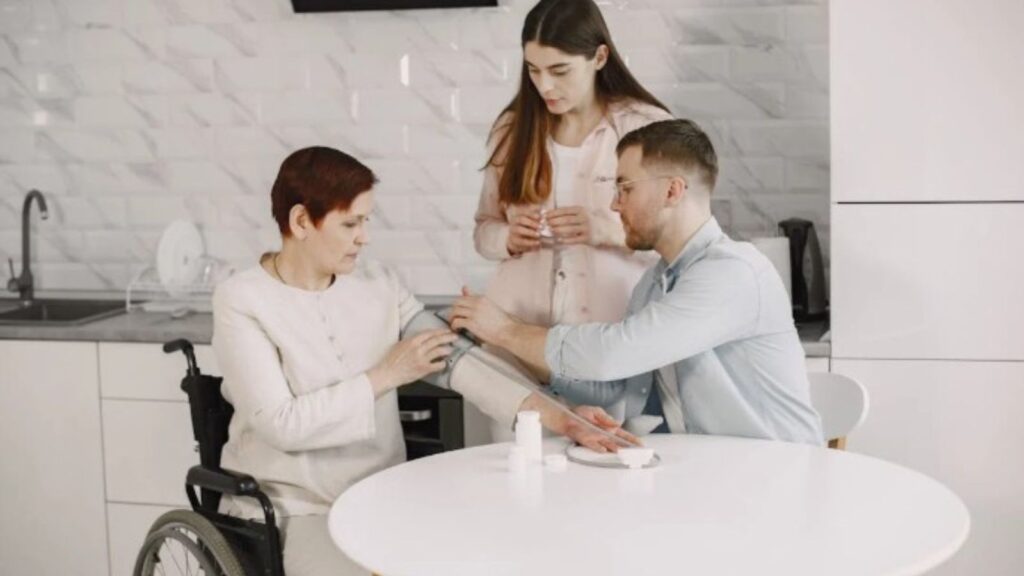
Start with the basics: blood pressure, weight, heart rate, and breathing. These checks help pick up early signs of problems.
It’s also important to check for signs of pain, tiredness, and how well someone can move. A person’s balance, grip strength, and walking speed can say a lot about their general health. A higher risk of falling is one of the main reasons older people end up in the hospital.
Hearing and eyesight should also be checked. These senses can slowly get worse without anyone noticing. Poor hearing or vision can lead to accidents and make people feel lonely or confused.
Thinking and Memory
Forgetfulness can happen with age, but it’s important to tell the difference between normal ageing and signs of dementia. Simple tests can help check how well someone is thinking and remembering.
Changes to look out for include:
- Repeating the same questions
- Getting confused about time or place
- Struggling with planning or making decisions
If these signs are picked up early, there’s a better chance of getting the right help in place.

Mood and Mental Wellbeing
Mental health is just as important as physical health. Many older people feel low or anxious, especially if they live alone, have lost someone close, or feel they can’t do things they used to enjoy.
Ask simple, open questions about how they’re feeling. Are they sleeping well? Have they lost interest in things they once enjoyed? Have they had changes in appetite or energy?
Family members and carers can often notice small changes before the person does. A good health assessment includes these voices, too.
Daily Life and Home Environment
Understanding how someone lives day to day gives a clearer view of their overall situation. Are they able to wash, dress, cook, and clean? Do they have people around them for support?
Check their home for things that could cause accidents, like poor lighting, loose rugs, or stairs without handrails. These small changes can make a big difference in keeping someone safe.
Medicines
Older people often take several medicines. Some may no longer be needed or might not work well together. A medicine check can help ensure the person is taking the right ones, at the right time, and understands why they are taking them.
How Often Should Health Assessments Happen?
There is no fixed rule, but once a year is a good starting point. Some people might need checks more often, especially if they have several health conditions or recent changes in their health.
Informal checks from carers, family, or home care workers are also useful. Even small changes, like someone being less steady on their feet or eating less, can be signs that a full check is needed.
The WHO overview of preventive healthcare shows how early checks and advice can help stop illness before it starts. This is just as true in older people as it is in younger ones.
Who Should Be Involved?
Health assessments work best when everyone works together. This includes doctors, nurses, social workers, carers, and family members.
Everyone sees the person in a different way, so their input adds value. For example, a nurse might check blood pressure, a physiotherapist might test walking ability, and a carer might notice changes in appetite or sleep.
Good communication helps make sure nothing is missed.
Supporting Example: Vista Health
Private providers can also support this process. For instance, Vista Health offers health screenings that can help identify risks early. Their services are sometimes used alongside NHS care, especially when quick access to checks is needed.
While not everyone will choose private health checks, they can offer another option, particularly for those who want faster results or extra peace of mind.
Making It a Positive Experience
A health assessment should feel supportive, not stressful. To make it easier:
- Take your time. Rushing can lead to missed signs.
- Talk clearly and calmly.
- Listen carefully to the person’s concerns.
- Make sure they feel part of any decisions.
These simple steps can help older people feel respected and understood.
Final Thoughts
Health assessments are a key part of good care for older adults. They help find problems early, support daily life, and give people a chance to talk about their feelings.
By paying attention to physical health, memory, mood, and living conditions, we can help older people stay safe and well. Whether you’re a health worker, a carer, or a family member, taking the time to notice changes and act on them makes a real difference.
And for those who want more support, services like Vista Health can offer extra tools for better care.