
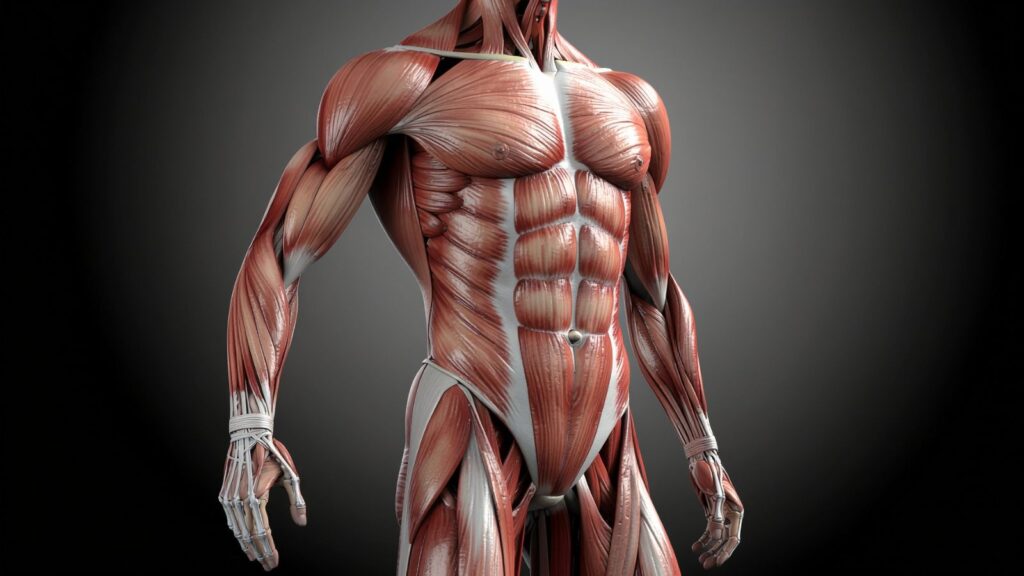
When people talk about muscle, the focus is usually on building it. Bigger arms. Stronger legs. Visible progress in the mirror. But there’s another side to the story that doesn’t get nearly as much attention, and that’s maintenance. Holding on to the muscle you’ve already worked hard to build is just as important as gaining more. In fact, for many adults, especially as the years pass, maintaining muscle becomes the real challenge.
Muscle supports your metabolism and your joints, maintains balance, and helps you move confidently through everyday life. It’s what allows you to carry groceries without strain, climb stairs without hesitation, and recover more easily from minor injuries. The good news is that maintaining muscle doesn’t require extreme routines. It’s often the quiet, consistent daily habits that make the biggest difference.
Prioritize Protein Without Obsessing Over It
You don’t need to count every gram or live off protein shakes to support muscle maintenance. Still, your muscles rely on adequate protein intake to repair and maintain themselves. A steady intake throughout the day tends to work better than loading it all into one large meal.
Think simple and balanced. Eggs at breakfast, grilled chicken or beans at lunch, salmon or tofu at dinner. Greek yogurt, cottage cheese, lentils, nuts, and seeds are easy additions. These small decisions add up. If you’ve ever wondered how to maintain muscle mass without drastically changing your diet, the answer often begins with steady, adequate protein spread across your meals.
It’s also worth remembering that needs vary from person to person. Age, activity level, and overall health all influence how much protein your body may require. Rather than chasing trends, focus on consistency and quality.
Keep Moving Even on “Off” Days
Muscle responds to use. When you challenge it, even moderately, your body receives the signal to preserve it. This doesn’t mean every day needs to be an intense workout. In fact, gentle movement can be just as important.
Walking, light resistance exercises, bodyweight movements, and stretching all send positive signals to your muscles. Resistance training two to four times per week is especially effective for maintenance. It doesn’t have to be complicated. Squats, pushups, lunges, and rows cover a lot of ground.
What often makes the difference is avoiding long stretches of inactivity. If you sit for work, stand up regularly. Take short movement breaks. Carry your own groceries. Choose stairs occasionally. These quiet efforts tell your body that your muscle tissue is still needed.
Don’t Underestimate Sleep and Recovery
Sleep is often overlooked in conversations about strength. Yet it’s during rest that your body repairs tissue and regulates the hormones involved in muscle maintenance. Poor sleep patterns can disrupt recovery and may gradually affect muscle health over time.
Aim for a consistent sleep schedule. Create a wind-down routine that signals to your body it’s time to rest. Dim lights, reduce screen time, and keep your sleeping space cool and comfortable. Recovery also includes managing stress. Chronic stress can influence appetite, hormone balance, and energy levels, which indirectly impacts muscle preservation.
Sometimes the most productive habit is simply allowing yourself adequate rest. It may not feel like effort, but your body notices.
Stay Hydrated and Fuel Smartly
Hydration plays a subtle but important role in muscle function. Muscles are made up largely of water. Even mild dehydration can affect performance and recovery. Drinking water consistently throughout the day supports circulation, nutrient delivery, and overall cellular health.
Fueling your body properly also means avoiding extreme calorie restriction. Severely cutting calories can lead the body to break down muscle tissue for energy. If weight management is a goal, gradual adjustments paired with resistance training tend to be more supportive of muscle retention.
Balanced meals that include carbohydrates, protein, and healthy fats help create a stable environment for muscle maintenance. There’s no need for complicated formulas. Whole foods, steady portions, and mindful eating habits often provide a strong foundation.

Consider Supplements Thoughtfully
Some individuals explore supplements as part of their wellness routine. When it comes to muscle maintenance, protein powders, amino acids, or other nutritional products may be used to complement a balanced diet. It’s important to approach supplements realistically. They are not magic solutions, and they don’t replace consistent training, proper nutrition, and recovery. No supplement can guarantee muscle preservation or transformation on its own. Products may support overall nutritional intake when used appropriately, but individual results vary and lifestyle factors matter greatly.
If you’re considering adding a supplement, speak with a healthcare professional. Personalized guidance ensures that any product fits your specific needs and health history.
Support Hormonal and Metabolic Health
As we age, natural hormonal shifts can influence muscle mass. While this is a normal part of life, certain habits can support overall metabolic health and, in turn, muscle maintenance.
Regular strength training helps regulate insulin sensitivity and promotes healthy body composition. Balanced nutrition supports stable blood sugar levels. Adequate sleep helps maintain hormonal balance. These foundational behaviors work together quietly in the background.
There’s no single switch that turns muscle maintenance on or off. It’s a collection of steady behaviors practiced over time. Small choices, repeated daily, create a stable environment where muscle tissue is more likely to be preserved.
Consistency Beats Intensity
It’s tempting to believe that dramatic effort produces dramatic results. In reality, maintaining muscle mass is less about extremes and more about consistency. A few solid workouts per week. Enough protein. Reliable sleep. Regular movement. Thoughtful fueling.
When these habits become part of your lifestyle, muscle maintenance becomes less stressful. You don’t have to chase perfection. You simply need to show up consistently.
Muscle is living tissue. It responds to care, challenge, and nourishment. If you quietly support it day after day, it tends to stay with you. That’s encouraging, especially for those who don’t have hours to spend in the gym.
A Sustainable Approach to Staying Strong
Maintaining muscle is not about fear of aging or chasing aesthetics. It’s about preserving strength, independence, and resilience. It’s about feeling capable in your own body.
Daily habits shape long-term outcomes. A balanced plate. A short strength session. A good night’s sleep. A walk after dinner. These don’t look dramatic, but they matter.
If you focus on steady effort rather than quick fixes, muscle maintenance becomes part of your rhythm. Over time, those quiet decisions add up. And that’s often the most sustainable way to stay strong for the long haul.