
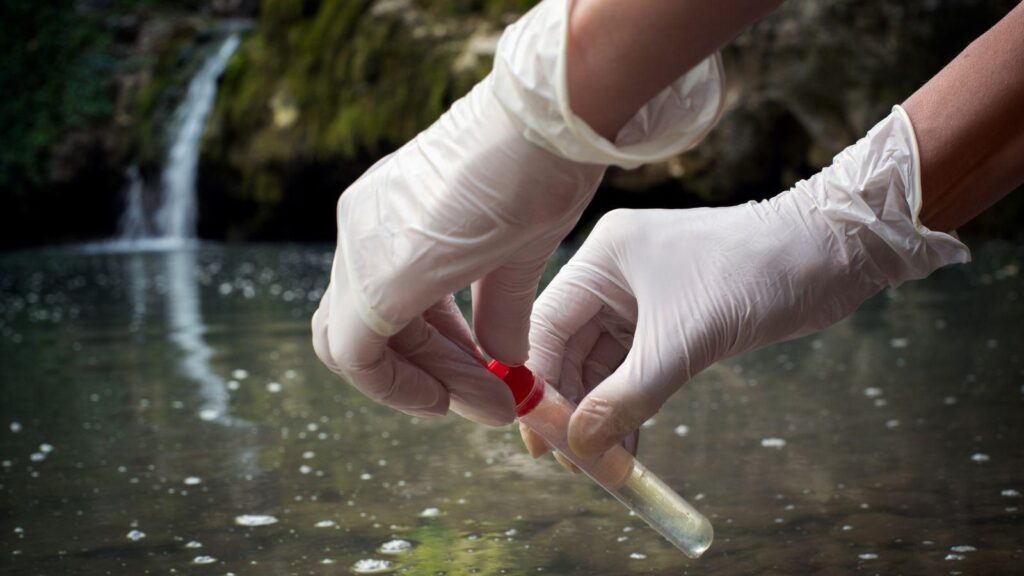
Most of us take clean, safe water for granted – unless something goes wrong. Funny scent from the tap. White scale piling up on your kettle. Dry feeling skin after showering. All symptoms that water quality in your home may need attention. In Ontario, water quality varies substantially depending on where you are, the source of your water, and the age of your plumbing system. The city treats its water before sending it to your home, but there can still be problems with it. And if you use a private well, the problems can be significantly more difficult. The first step to finding the proper remedy is to understand what you’re dealing with.
Water Quality Problems in Ontario
Many Ontario residents experience a variety of water quality problems, many of which go undetected for years. Here are the most typical ones to watch out for:
Hard Water
Hard water is perhaps the most common problem in Ontario households. This is when water includes high concentrations of dissolved calcium and magnesium minerals . This is often the case in areas with a limestone geology . You may see this as white, crusty build-up around your faucets and showerheads, or soap that does not lather well. Hard water isn’t a health issue, but it will lead to a long list of practical headaches over time.
Chlorine Taste and Odor
Municipal water suppliers utilise chlorine to sanitise drinking water, a vital public health measure. But chlorine can give a disagreeable taste and smell that many homes find off-putting. If your tap water tastes vaguely like a swimming pool, the issue is usually chlorine. Municipal systems employ amounts that are considered acceptable, but the taste can deter individuals from drinking enough water during the day.
Sediment & Rust
residences with older pipes, especially residences on well water, could have silt or rust particles in their water supply. One common symptom is brown or red water when you initially open a tap, particularly if the water has been standing still. Fine sediment may look harmless, but it can clog fixtures and interfere with water-using appliances.
Mineral Deposit
Other dissolved minerals than hardness can build up inside pipelines, water heaters and appliances. Over time, this builds up as limescale, restricting the flow of water, reducing heating efficiency and shortening the lifespan of your plumbing system. Kettles, dishwashers and washing machines are particularly vulnerable.
Other Water Quality Issues
Depending on where you live and what you are getting your water from, you may also find high levels of iron, sulphur (which smells like rotten eggs), nitrates from agricultural runoff, or bacteria if you are on a private well. Some rural regions in Ontario have also had worries about lead from outdated service lines. If your water comes from a well, regular testing is even more crucial because you are in charge of the quality yourself.
How bad water quality impacts your home
Water quality is something you don’t really think about until the results are clear. The truth is, untreated water problems influence just about every aspect of your house and daily life.
Water Damage and Plumbing Damage
Mineral water and hard water eventually produce a scale on the interior of pipes and appliances. Water heaters have to work harder to push water through the buildup, raising energy costs and lowering efficiency. Dishwashers, washing machines, coffee makers are also affected and often break down before they should. The expenditures of maintenance and repair are not cheap.
Skin and hair problems
Many Ontario homeowners find that after showering, their skin is dry or irritated and their hair appears dull and feels scratchy. Hard water also makes it more difficult to rinse the soap and shampoo off, leaving a film on your skin and scalp. Chlorine can remove natural oils from skin, leaving it dry and irritated, especially in those with sensitive skin or eczema.
Water Quality and Increased Costs
Bad tasting or smelling tap water often causes families to rely on bottled water, which is expensive and wasteful in the long run. Taste aside, there are health implications, and water with high levels of certain toxins can pose a real problem for the health of young children, pregnant women or persons with compromised immune systems. It’s always better to fix the problem at the source rather than work around it.
Solutions for Water Treatment
The good news is that most residential water quality problems in Ontario may be corrected with the right treatment equipment. The trick is to find the right solution for the specific situation you’re having.
Whole House Water Filter
A whole-house water filter connects to your main water line and filters every drop of water that goes into your home. These systems are highly effective in removing silt, chlorine, chloramines and other common impurities. The advantage is cleaner water from every tap, shower and appliance, not just at one point of usage.
Water Softener Systems
The best way to deal with hard water is to use a water softener. These systems use an ion exchange mechanism . Sodium ions replace calcium and magnesium ions, reducing the minerals that cause scale and soap scum . Softened water is a big difference . Your appliances will last longer, your plumbing will keep cleaner and your skin and hair will feel better after washing.
Reverse Osmosis Systems
For added peace of mind, you can opt for a RO (reverse osmosis) system to provide drinking water only. RO systems force water over a semi-permeable membrane that takes away a wide array of impurities, including dissolved solids, nitrates, chlorine byproducts and more. Usually, they are placed under the kitchen sink and provide high-quality water directly to a dedicated tap.
Choosing the Correct Solution
Knowing what’s actually in your water is the first step to choosing the proper system. Oaks Wellness Water is giving homeowners who need reliable water treatment solutions the chance to learn about whole-house filtration systems, water softeners and reverse osmosis solutions built for the Ontario home. A professional water test is usually a good place to start, because it takes the guesswork out of it and lets you choose the equipment that will actually fix your specific problems.
Maintenance Tips To Improve Water Quality
The installation of a water purification system is only part of the problem. It requires some steady care to keep it working well.
Change filters as scheduled. Most whole house and under sink filters have a recommended schedule for changing them out, based on water usage or time. An outdated filter can even ADD toxins back into the water, rather than remove them.
Test your water often. Water Quality Can Vary Over Time, especially for Well Users Testing once a year helps you discover new problems early and ensure that your treatment system is still working properly.
Rescue the water softener. Salt-based softeners require you to constantly top up with the proper kind of salt. As the salt becomes low the system is less effective and hard water can go through untreated.
Schedule professional inspections. Even the best-maintained systems require periodic professional check-ups. A technician can identify early signs of wear, recalibrate settings and guarantee your equipment is running at its optimum.
Final Thoughts
Home water quality in Ontario is not a one-size-fits-all issue. It’s easy to forget how hard water, chlorine, sediment and other impurities can impact your plumbing, your appliances and your day to day comfort – until the harm is done. The best way to go about it is to first have a clear image of what your water really includes, and then acquire a treatment solution that will address those specific issues. Whether that is a softener, whole-house filter, reverse osmosis system, or some mix of all three. Ontario households can count on reliable, high-quality water throughout their whole home with the correct equipment and a consistent maintenance program.