
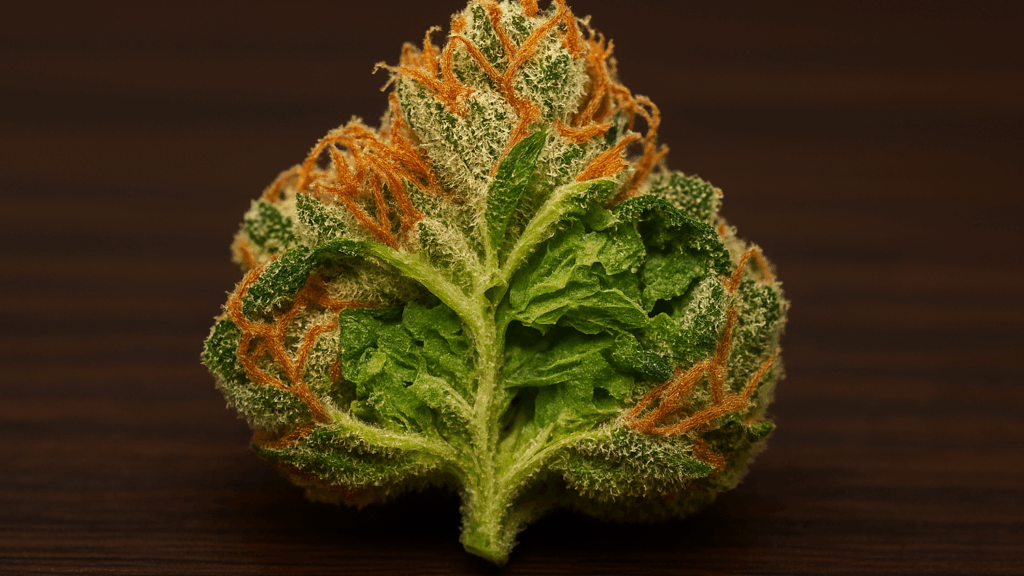
Cannabis has gone beyond recreational drug into a component of the landscape of wellness as a multifactorial co-factor in the wellness of body and mind. The stigma of the plant has worn away to almost zero, and it is now being scientifically researched and used for its potential as a help to total health. The fact that we have athletes who use CBD to ease recovery and business people microdosing on THC to gain in concentration speaks to what health and wellness is for many in the modern age.
This has come about with the help of science rather than hype. Thousands of peer reviewed papers on cannabinoids, the elements of cannabis that are active drugs in the plant, and its effects on the human being have emerged in the last ten years. What was called weed delivery has now been found to be a complex botanical with over a hundred identified cannabinoids, all with various effects and relationships to our biology. So the sum has also given rise to a wellness movement involving function rather than intoxication.
In the practical application of medical cannabis, one area has sprung in the United States, and that is the rise of reputable delivery mechanisms. For riders looking at therapeutic cannabis options, the reliable American service called 1-8Oz has gained popularity. Those looking for the availability of their services may check their weed delivery locations.
Now, brands of the wellness look, baths, and even Yoga studios are introducing cannabis into their routines. Take, for instance a CBD oil massage, or a tincture of THC for relaxation after strenuous exercise. It is an enhancement, not evasion. The gold of the people seeks remedies from nature rather than the pharmacy, and cannabis has come forward to fulfill the demand of the platter in present-day times.
The Science of Relief: How Cannabinoids Interact with the Body
At the heart of its medicinal properties lies the endocannabinoid system (ECS), a network of biological processes discovered in the 1990s that regulates things such as mood, pain, sleep, and immune function. The body produces its own cannabinoids called endocannabinoids, while those derived from plants are called phytocannabinoids such as THC and CBD. These cannabinoids can supplement or duplicate some processes. This synergistic relationship is what makes cannabis especially therapeutic.
THC, which is the psychoactive compound in cannabis, exerts its effects by binding to CB1 receptors in the brain and nervous system whereby it has effects on pain perception, appetite, and mood. CBD does not cause intoxication and works on the systems at many levels. One of the more indirect actions would be the modulation of activity against the receptors; another action would be reducing inflammation via many different systems. The effects of cannabis also work together, and this is termed the entourage effect by scientists, liaise with, and supplements each other to increase beneficial effects.
The clinical evidence is there for these numerous and varied effects. A meta-analysis done in June 2023 in The Lancet showed that CBD significantly reduced drug-resistant epilepsy seizures. A study done in Pain Medicine showed that combinations of THC and CBD gave better results in treating chronic neuropathic pain than opioids with lesser side effects. This gives credence to what patients have known for years.
The ECS is also important in maintaining homeostasis, i.e. balance, in the human body. Stress, faulty diet, and lack of sleep can cause depletion of the endocannabinoids leading to imbalances. Used sensibly used, cannabis can have an effect on these different areas and therefore would explain its attraction as a preventive and intermediate source of wellness.
Targeted Health Benefits: From Pain to Sleep and Mental Clarity
Long standing pain is a problem affecting over 50 million Americans and cannabis is coming to the forefront as a safer resource for alternatives for long use of prescribed opiods. Studies have shown that THCPatients with arthritis, fibromyalgia and migraines often find great relief, particularly by topical CBD or low-dose edibles.
Sleep disorders are another major target. Insomnia, often associated with anxiety or pain, responds well to indica-dominant strains rich in myrcene and linalool, both terpenes thought to have sedative effects. A 2024 study in Sleep Health found that 5 to 10 mg of THC before bed aids both the latency and duration of sleep without the morning fogginess associated with many prescription sleep medicines.
Surprisingly, mental clarity is on the list as well. Microdosing, or taking sub-perceptual doses of THC (1 to 3 mg), is becoming popular with the creative and professional class. Work at Johns Hopkins shows that low-dose THC allows for greater focus and divergent thinking without affecting sensory perception. CBD is also showing promise for reducing social anxiety and symptoms of PTSD thought to be due to amygdala overactivity.
Finally, inflammation is the king of cannabis efficacy. All chronic diseases at their core are about inflammation, and CBD excels in anti-inflammatory effects. From gut health and skin conditions such as eczema, its anti-inflammatory effects rival and can replace NSAIDs with less gastrointestinal risk. The athlete uses topical CBD for muscular recovery while others prefer it orally for joint health and immunity support.
Safe Integration: Dosing, Methods, and Lifestyle Balance
The important thing in practicing safe cannabis wellness is to “start low and go slow.” For THC this means starting at 2.5 to 5 mg and waiting two hours before redosing. CBD is more forgiving: 25 to 50 mg is a normal starting point for anxiety or inflammation. Titration gives the opportunity for the body to acclimate gradually without overwhelming it.
Method of consumption is important. Inhalation (vaping or smoking) provides instant action, which is very useful for acute pain and anxiety in particular, but it does present a risk to the respiratory system. Edibles offer prolonged action (6-8 hours) but delayed onset of 30-90 minutes. Sublingual tinctures provide a happy medium – rapid absorption, exact dosage and no irritation of the lungs.
Lifestyle changes act synergistically. For instance, it is helpful to accompany the use of CBD with meditation first thing in the morning to further aid relaxation, and to microdose THC in the later part of the day, accompanied by a wind-down programme, to help with sleep. Also, exercise is a very effective way to stimulate the production of endocannabinoids, so it makes sense to include cannabis with psychological activities such as yoga and resistance training. Hydration and a diet rich in nutrients help to expedite the metabolism of cannabinoids.
Don’t mix it with alcohol or sedatives – synergy is good, but there is a danger of amplification of the experiential effect. To reduce the risk of addiction (all drugs are potentially addictive), the use of cannabis should be combined with tolerance breaks of 1-2 days weekly. Track your experiences in a journal to arrive at your individualised protocol.
The Future of Cannabis Wellness: Research, Regulation, and Personalization
The next decade will see the introduction of a new approach to precision medicine in cannabis. Genetic modalities of testing may soon enable the efficacious dose of THC or CBD to be predicted for the individual patient. Reigenerate AI ‘motors’ are processing data gleaned from patients, helping the user to choose timing and dosing from patterns of sleep, levels of stress and activity.
Clinical trials are widening. The National Institute of Health is funding studies into cannabis therapies for Alzheimer’s disease, depression, and withdrawal of opioids. As the data becomes increasingly more voluminous it is possible that cannabis may transition from ‘alternative’ to ‘standard of care’ in the case of some illnesses. Pharmaceutical companies are developing cannabis analogues, with synthetic substitutes which parallel the actions of cannabis. The disadvantage suffered in this process by these companies is the loss of the entourage effect and whole plant method of administration, which has proven beneficial in the treatment of those in stealth mode with cannabis.
Regulation, too, is undergoing change. The FDA is evaluating CBD in the light of dietary supplement status, whilst the possible rescheduling of cannabis from Schedule I might open the doors to availability of research and trends within the industry on a Federal level. A certain degree of uniformity in testing in state laboratories and in the labelling of cannabis products has begun – that will result in customer assurance as to the specific potency, terpenoids, inactive ingredients which are present in the medicinal products available in the marketplace.
Individualism will be the modus operandi of the future. Think of being able to obtain a unique formula for wellness by the incorporation of cannabis in the formulation, the essence of which will be delivered organically each month at your convenience whilst it is tailored to your individual user pattern as reflected in the information provided by your own health device worn regularly. From farmbed to formula, the purity of the formula prepared will be tied graphically in visual terms in the future. This is not the end of a matter, cannabis wellness is – not a fad – a way forward.
Disclaimer: This information is provided for informational purposes only – it is not to be misconstrued as medical advice. Consult your medical practitioner before utilising cannabis in a health-related context, and incidentally, if you are pregnant, breastfeeding, or using other medications.