

Struggling to concentrate during meetings. Feeling restless and unable to sit still. Lying awake at night with racing thoughts. Forgetting important tasks despite best intentions. These experiences might stem from attention-deficit/hyperactivity disorder, anxiety, or both conditions at once.
Understanding the distinction between adhd vs anxiety matters because the causes differ, the treatments vary, and getting the wrong diagnosis leads to ineffective or even harmful interventions.
Why These Conditions Get Confused
Several symptoms overlap between ADHD and anxiety, creating diagnostic confusion. Both conditions produce difficulty concentrating. Both cause restlessness and physical agitation. Both lead to sleep problems and forgetfulness. Both create challenges at work and in relationships.
The overlap happens frequently enough that many people receive misdiagnoses. Someone with ADHD might get diagnosed with anxiety when their inability to focus stems from attention regulation problems rather than worry. Conversely, someone with severe anxiety might appear to have ADHD when their concentration problems actually result from intrusive worried thoughts.
Adding complexity, many people have both conditions simultaneously. ADHD increases risk for developing anxiety disorders, and having both creates more severe symptoms than either condition alone. Untangling which symptoms come from ADHD, which from anxiety, and which from their interaction requires careful clinical assessment.
Core Features of ADHD
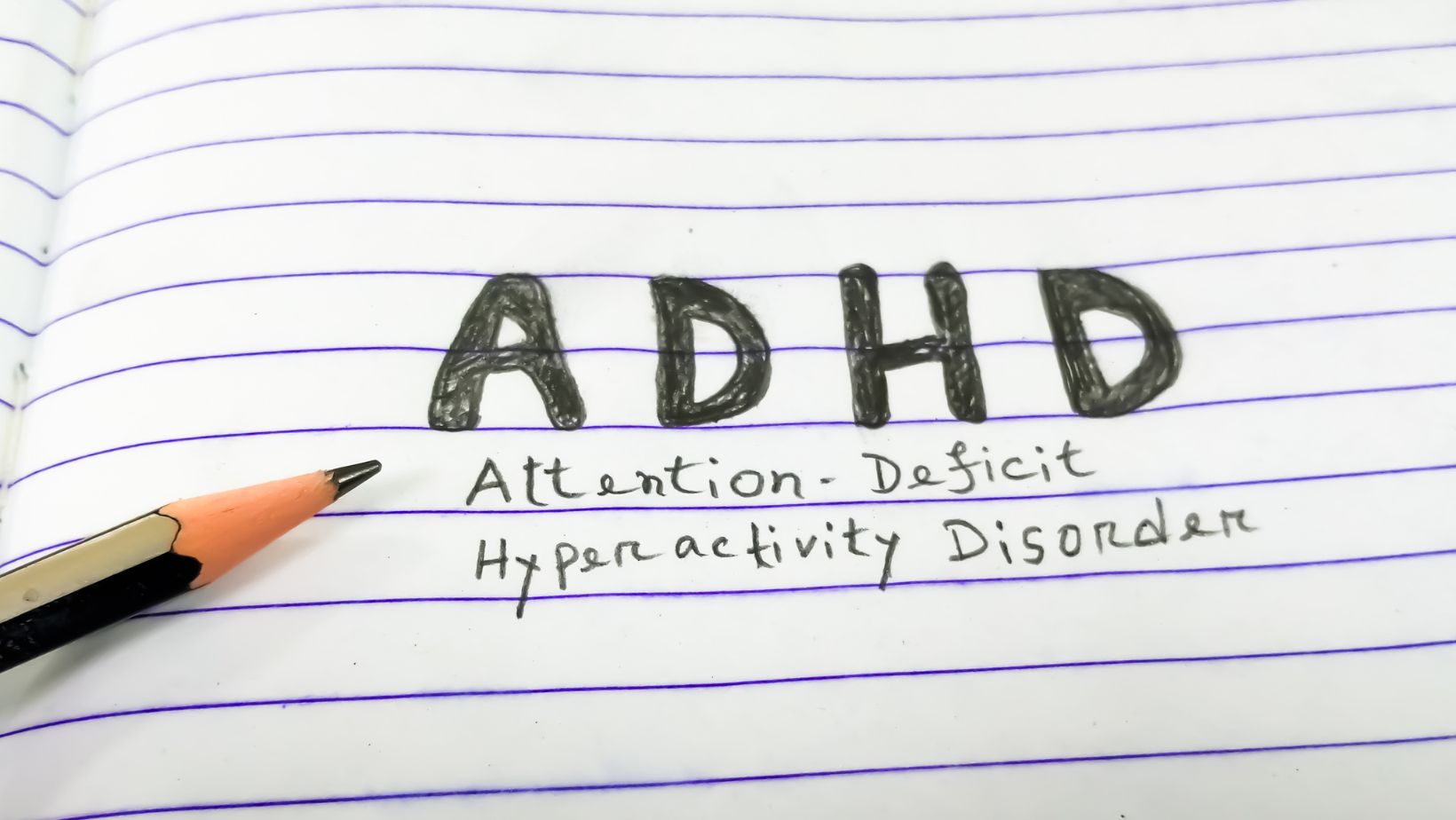
ADHD is a neurodevelopmental condition present from childhood, though it may not get diagnosed until adulthood. The disorder affects executive functions – the brain’s management system controlling attention, impulse control, working memory, and planning.
Attention Problems in ADHD
The attention difficulties in ADHD involve problems with attention regulation rather than inability to focus. People with ADHD can hyperfocus intensely on interesting activities while struggling to sustain attention on boring but necessary tasks. They get distracted easily by external stimuli or internal thoughts unrelated to worry.
The distractibility happens automatically, not driven by anxious concerns. Someone with ADHD might start reading a work email, notice an interesting word, start thinking about that word’s etymology, then realize ten minutes passed without finishing the email. This differs from anxiety-driven distraction where worried thoughts about potential disasters interrupt focus.
Impulsivity and Hyperactivity
ADHD produces impulsive decision-making – acting without thinking through consequences. People might make expensive purchases spontaneously, interrupt others frequently, or quit jobs without backup plans. This impulsivity stems from delayed neural processing in brain regions governing inhibition, not from anxiety pushing someone toward hasty action.
Physical restlessness in ADHD feels like excess energy needing release. People tap feet, fidget constantly, or feel compelled to move. This differs from anxiety-related restlessness driven by nervous tension.
Executive Function Challenges
ADHD creates struggles with:
- Organizing tasks and materials
- Estimating time accurately
- Initiating tasks, especially boring ones
- Sustaining effort on long-term projects
- Remembering appointments and commitments
- Controlling emotional responses
These executive function problems persist regardless of stress level or life circumstances. They’re present in childhood and continue through adulthood, though they may be managed better with experience and coping strategies.
For individuals struggling to determine whether their symptoms stem from ADHD, anxiety, or both conditions, seeking evaluation from qualified psychiatrists in Staten Island or mental health specialists in your area who have expertise in differential diagnosis can provide the clarity needed to pursue appropriate, targeted treatment for the root causes of concentration difficulties and related challenges.
Core Features of Anxiety Disorders
Anxiety disorders involve excessive worry and fear that interfere with daily functioning. Unlike normal stress responses, anxiety disorders produce worry disproportionate to actual threats.
Worry and Rumination
The hallmark of anxiety involves persistent worry about potential future problems. People mentally rehearse worst-case scenarios, anticipate disasters, and struggle to tolerate uncertainty. The worried thoughts feel uncontrollable and intrusive.
This worry drives the concentration problems in anxiety. Someone trying to complete a task gets interrupted by worried thoughts – “What if I fail this project?” “What if my partner leaves me?” “What if that pain means cancer?” These intrusive worries repeatedly pull attention away from the present task.
Physical Symptoms
Anxiety produces distinct physical symptoms:
- Muscle tension, especially in shoulders, neck, and jaw
- Rapid heartbeat or palpitations
- Shortness of breath or feeling unable to get enough air
- Sweating, trembling, or shaking
- Gastrointestinal problems including nausea or diarrhea
- Dizziness or lightheadedness
These physical symptoms feel uncomfortable and often fuel more worry. The sensations themselves become things to worry about, creating a self-perpetuating cycle.
Avoidance Behaviors
People with anxiety often avoid situations that trigger worried thoughts. Social anxiety leads to avoiding gatherings. Health anxiety causes avoiding medical information. Generalized anxiety might lead to procrastination on tasks associated with worry.
This avoidance differs from ADHD-related procrastination. In anxiety, people delay tasks they associate with potential negative outcomes. In ADHD, people struggle to start any unrewarding task regardless of its emotional significance.
ADHD vs Anxiety in Adults
The comparison of adhd vs anxiety in adults presents unique challenges because both conditions’ presentations change somewhat with age.
How ADHD Changes in Adulthood
Physical hyperactivity often decreases in adults with ADHD, replaced by internal restlessness. Executive function problems become more impairing as adult responsibilities increase. The same attention regulation problems that caused minor issues in structured school environments create major problems when managing complex adult responsibilities independently.
Many adults develop compensatory strategies that mask ADHD symptoms until demands exceed their coping capacity. They might function adequately in entry-level jobs but struggle when promoted to positions requiring more planning and organization.
How Anxiety Manifests in Adults
Adult anxiety often focuses on realistic life concerns – finances, relationships, health, work performance. This makes it harder to distinguish from appropriate concern. The line between reasonable worry about job security and excessive generalized anxiety isn’t always clear.
Adults with long-standing anxiety may not realize their worry level exceeds normal. They assume everyone experiences the same mental chatter and physical tension they’ve lived with for years.
Distinguishing Features in Practice
Several features help distinguish anxiety vs adhd when symptoms overlap.
Timing and Context
ADHD symptoms appear early in life and persist across situations. If someone functioned well with normal concentration through childhood and adolescence, then developed attention problems as an adult, anxiety or other conditions become more likely culprits than ADHD.
Anxiety symptoms often fluctuate based on life stress. During calm periods, concentration improves. During stressful times, worried thoughts intrude more frequently. ADHD symptoms stay relatively consistent regardless of external stress.
Nature of Thought Content
In ADHD, distracted thoughts jump randomly to unrelated topics. Someone might think about lunch, then remember a funny video, then wonder about their weekend plans – with no logical connection between thoughts.
In anxiety, distracted thoughts circle around worried themes. The mind returns repeatedly to concerns about health, finances, relationships, or other feared outcomes. The content may vary but the worrying quality remains consistent.
Response to Silence and Stillness
People with ADHD often struggle intensely with silent, understimulating environments. Their minds seek stimulation and create it internally when external stimulation lacks. They might prefer background noise or movement while working.
People with anxiety may actually prefer quiet environments where worried thoughts don’t compete with external stimuli. However, too much silence can also feel threatening, allowing worry to dominate without distraction.
ADHD vs Anxiety Medication
The medication approaches for these conditions differ substantially, making accurate diagnosis essential. ADHD vs anxiety medication involves different drug classes affecting different brain systems.
ADHD Medications
Stimulant medications like methylphenidate or amphetamines remain first-line ADHD treatment. These enhance dopamine and norepinephrine in brain regions governing attention and executive function. They work quickly, often within 30-60 minutes, and effects wear off predictably.
Non-stimulant options include atomoxetine, guanfacine, or bupropion. These take longer to work but avoid stimulant side effects and abuse potential.
For someone with pure anxiety misdiagnosed as ADHD, stimulants can worsen symptoms significantly. The increased arousal and heart rate that help ADHD often intensify anxiety symptoms.
Anxiety Medications
SSRIs or SNRIs represent first-line medication treatment for most anxiety disorders. These antidepressants work gradually over weeks by modulating serotonin and sometimes norepinephrine. They reduce baseline anxiety levels rather than providing immediate symptom relief.
Benzodiazepines provide rapid anxiety relief but carry dependence risks and don’t address underlying problems. They’re typically used short-term or as-needed rather than as primary long-term treatment.
For someone with pure ADHD misdiagnosed as anxiety, antidepressants may help comorbid mood issues but won’t address core attention regulation and executive function problems.
When Both Conditions Coexist
Many people require treatment for both ADHD and anxiety simultaneously. This typically involves:
- Stimulant or non-stimulant medication for ADHD
- SSRI or SNRI for anxiety
- Therapy addressing both conditions’ impacts
- Lifestyle modifications supporting both
Treating ADHD first sometimes reduces secondary anxiety that developed from years of struggling with untreated attention problems. However, if anxiety is severe, it may need addressing first since high anxiety can interfere with ADHD treatment effectiveness.
Treatment Beyond Medication
Both conditions benefit from specific therapeutic approaches alongside medication.
Cognitive behavioral therapy helps anxiety by addressing worried thoughts and avoidance behaviors. Exposure therapy reduces specific fears. Mindfulness practices help people relate differently to anxious thoughts.
ADHD benefits from skills training in organization, time management, and planning. Coaching helps implement systems that compensate for executive function weaknesses. Environmental modifications reduce distractions and support focus.
Understanding the difference between adhd vs anxiety allows for targeted treatment addressing root causes rather than just managing overlapping symptoms.
With accurate diagnosis, people receive interventions that actually help rather than wasting time on approaches designed for different conditions. Both disorders respond well to appropriate treatment, but only when correctly identified first.