

Modern health conservations these days lean more toward plant-based wellness products because they are generally safe and cost-effective. This is the reason why botanical supplements and herbal extracts have become more popular than ever.
However, a lot of people assume that all products derived from plants are 100% effective. Some even think that plant-based products are interchangeable. But the truth is that a plant-based product’s effectiveness and impact can vary significantly. These differences are the result of genetics, cultivation methods, processing techniques, and quality controls that impact the final product even before it reaches consumers.
People who are interested in evidence-based wellness need to understand these differences. This way, they will be able to set their expectations properly.
How Compound Strength Begins at the Source
A plant’s genetics will determine the plant product’s strength. This explains why there are similar products that have different potency levels. It’s important for consumers to understand that knowing how a plant was cultivated will definitely have an impact on how potent and effective it becomes when turned into a product.
This is why genetic selection is common for growers. They always prioritize plants that are specifically bred to meet certain benchmarks for concentration and potency. For example, seeds with high THC that are bred in regular environments will always have a predictable potency level. By monitoring this closely, it becomes easier to standardize over time. Therefore, there is no doubt that genetic selection really does play a very important role in a plant-based product’s effectiveness and potency.
Growing Conditions and Environmental Factors
It’s not only genetics that influence compound development. Environmental conditions also play an important role. This means that everything from soil composition to water quality has an impact on how concentrated products can be later on based on how its plant ingredients are cultivated.
This is the reason why there are some products that perform differently despite being labeled similarly. After all, there is a chance that one has come from a controlled environment with optimal conditions and the other may come from a region where the conditions are not at all ideal. It’s pretty common that these factors are not indicated on packaging. However, this is the main reason why product potency varies despite being exactly the same produc; just in different packaging.
Misconceptions About “Natural” Potency
A lot of people immediately assume that all natural products are gentle or mild. However, there are plant-derived compounds that can actually be really potent depending on their method of use and concentration. Therefore, potency is not really just a marketing term. It is actually a measurable characteristic that’s influenced by genetics, cultivation, and processing.
Because of this fact, a lot of scientists have become more interested in understanding how compound strength correlates with physiological effects. This has prompted a closer look towards precise sourcing and dosing information that can guide consumers into making more responsible purchasing decisions, especially when it comes to plant-based products.
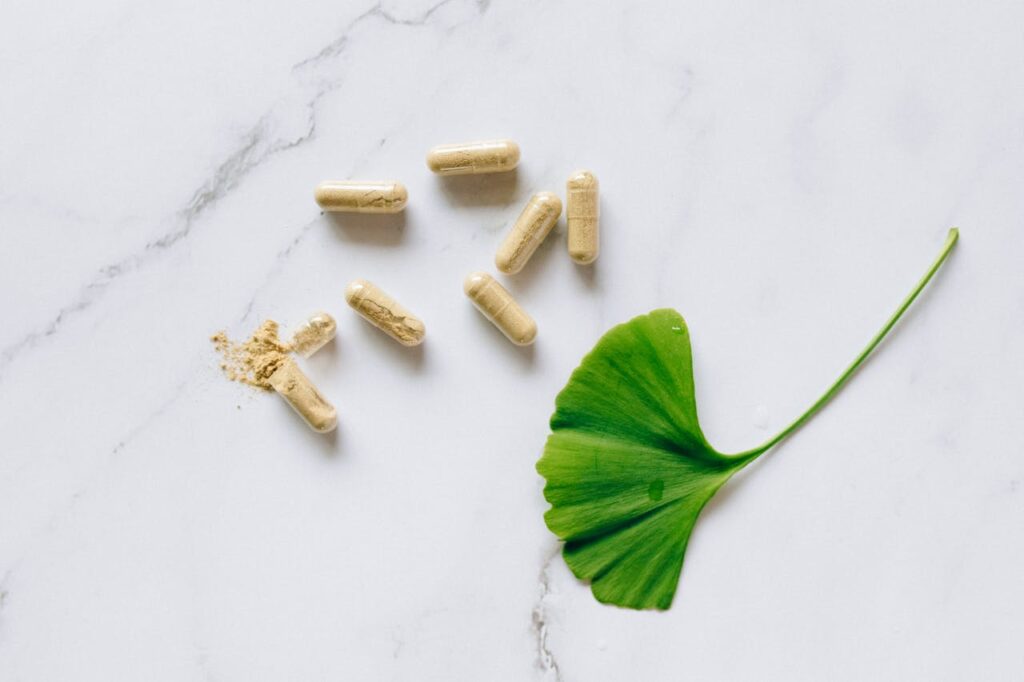
Why Informed Selection Matters
These days, more people are becoming more interested in plant-based wellness because of the belief that plant-based products are gentle but highly effective. However, what most people fail to realize is that there are plenty of factors that could affect a plant product’s potency and effectiveness. This is the reason why informed selection is very important.
When people understand that not all plant-based products are created equally, more people will also be able to think things through before committing to a product. Labels are not enough to guide a purchasing decision. Instead, it’s very important to truly understand how active compounds are developed and delivered.
Therefore, there will always be a need for transparency and standardization when it comes to plant-based health. This way, consumers will not be swayed by mere natural appeal which a lot of companies are capitalizing on.