
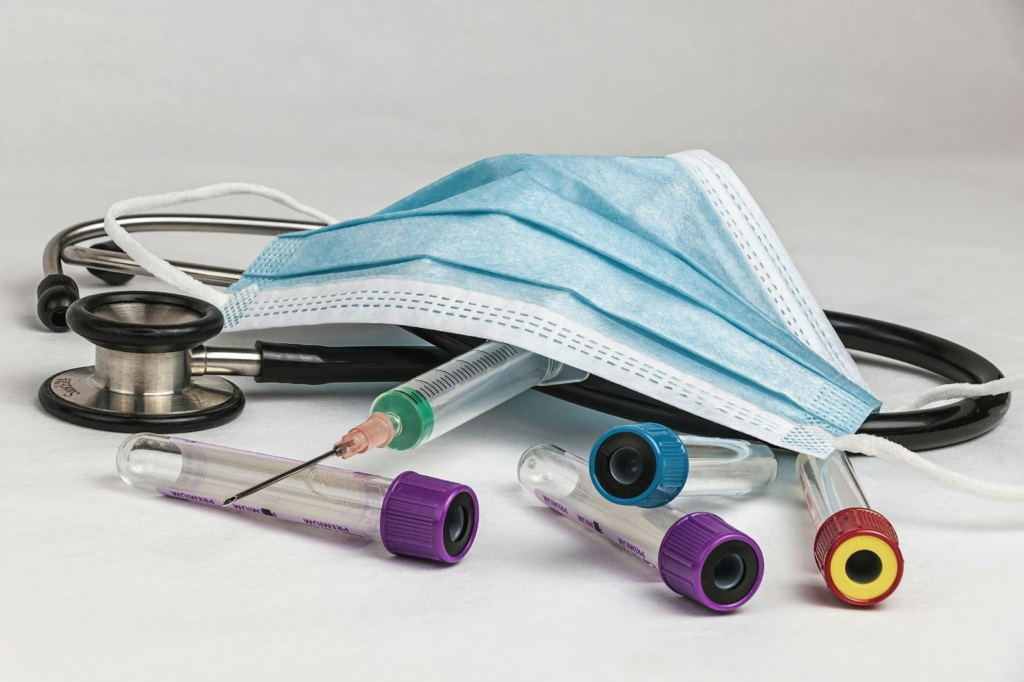
Healthcare providers are under increased pressure of providing quality care to patients and controlling their operations cost as well as complying with regulations. The choice and buying of medical equipment is one of the key decisions that have direct implications on all three areas. Be it because you are equipping a new dermatology practice, renovating laboratory equipment or even may be replacing the old diagnostic equipment, informed purchasing choices can help improve clinical outcome, operational efficiency and profitability in the bottom line.
Purchases of medical equipment have big weight. Machinery is a capital investment that has a life span of years or decades of service, has a direct impact on patient safety, staff satisfaction, and practice image. Most healthcare providers however enter into equipment purchasing in a reactive manner, instead of being strategic, which leads to poor decisions that cause headaches to operations and financial constraints.
Knowledge of the medical equipment requirements when considering medical equipment aids the healthcare provider in making decisions that will aid in the success of the long-term practice. The most successful healthcare organizations enter into equipment-buying with methodological assessment systems as opposed to matching prices or features.
Clinical Performance and Patient Outcomes

Clinical performance and the effects that equipment has on patient outcomes should be considered the main factor. The equipment must provide the expected and dependable outcomes, address or surpass the clinical standards and provide support to the procedures that you are doing. Prior to the assessment of any equipments, identify clearly clinical requirements in your applications. Which processes will the equipment support? What are the performance standards it has to satisfy? What level of accuracy or precision is needed?
In the case of dermatology practices that would be interested in the laser equipment, the effectiveness of treatments and patient satisfaction are directly affected by clinical performance. The equipment must provide reliable results, be proven effective in your areas of treatment, and helpful in areas of patient conditions that you may be dealing with. Conduct research clinical data, consult peer-reviewed literature and consult peers who use similar equipment.
In the case of laboratory applications that are testing tissue processors, microtome or analyzers, equipment must provide accurate and reproducible results that satisfy the throughput needs and quality standards of the laboratory. Reliability of equipment has a direct effect on the lab work–when equipment is not reliable, then it produces backlogs, annoyed employees, and even endangers patient care.
Reliability, Support and Total Cost of Ownership
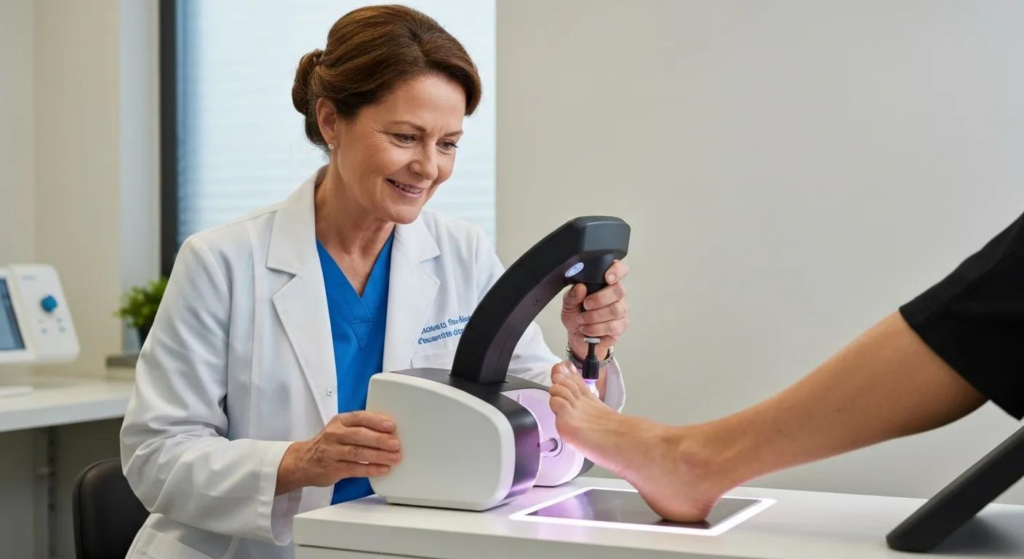
The cost of equipment goes much beyond the purchasing cost. The healthcare providers are to consider the total cost of ownership that encompasses maintenance, repair, the availability of parts, and the cost of downtime. Buying cheaper equipment that is extremely unreliable and prone to breakdown or expensive repairs will end up being much more expensive than the cost of having a good equipment with a good support system.
Considering medical equipment, check on the reputation of the manufacturer of the equipment to be reliable and of quality support. More established vendors such as Amtech Medical have a reputation of offering total support, stocking of parts and reducing the downtime of practices. Ensure that the manufacturers of equipment or even the qualified service providers are able to provide quick repairs and that they have certified technicians in your area.
Assess maintenance conditions and cost. There are those equipments that need regular servicing whereas other systems can run well with little or no maintenance. These are the continuing expenses that you should consider. Equipment that needs a 5000 maintenance per year and fails often can turn out to be more expensive than equipment that needs a 2000 maintenance per year and does not fail.
Compliance and Regulatory Requirements
Medical apparatus should comply with all the regulatory requirements and industry standards. Ensure that machines have the right certifications and approvals by authorities. In case of dermatology equipment, lasers should comply with the FDA requirements and safety standards. In the case of laboratory equipment, ensure that the equipment is in accordance with CLIA regulations and state-specific regulations.
In addition to regulatory minimums, evaluate the ability of equipment to help you meet your regulatory requirements. There are features in some of the equipment that simplify regulatory documentation or quality assurance. The characteristics are able to minimize the bureaucratic workload and maintain a uniform compliance in the long term.
Integration and Scalability
Think of the way equipment can be integrated with the existing systems and the way it can support expansion. The equipment must be compatible with your current infrastructure, electronic health records and clinical workflows. Non-integrated proprietary equipment causes business operating discomfort and employee dissatisfaction.
Assess scalability It is possible to increase the equipment to meet an increase in patient count or new service lines? Machines that meet your immediate requirements and which cannot be expanded are resource wasting in purchasing new ones.
Supplier Consistency and competence.
Lastly, analyze the supplier of the equipment. Vendors who are known and established with a vast understanding of their industry, customer-focused service, and good reputation will deliver the continuity of value even after the initial sale. They know the healthcare operations, they react fast to problems, and they help you in the success of your practice.
Conclusion
The healthcare practice performance is considerably influenced by the medical equipment purchasing choice. Healthcare providers can make quality decisions that promote the provision of patient care and promote operational and financial goals by assessing clinical performance, total cost of ownership, compliance requirements, integration capabilities, and reliability of vendors. The buying of strategic equipment is an investment in best practices.