
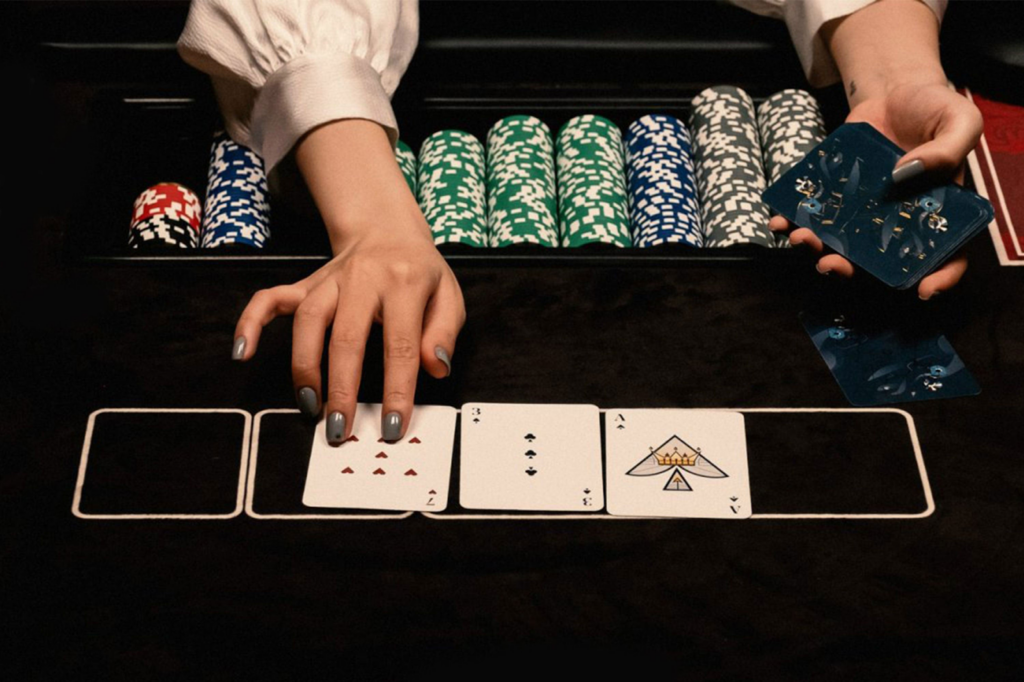
For many, poker is just an entertainment option available in numerous online casinos in 2025. Some users mistakenly consider it a simple game. However, everyone who has at least once joined the table knows that playing poker requires strong skills, including risk assessment, human psychology analysis, and strategic thinking. The abilities that gamblers develop through thousands of hands often prove helpful in business and daily life. Here’s what poker can teach you about strategy and decision-making.
You Never Have All the Information
As poker imposes significant risks, uncertainty is its fundamental. Of course, many players would be happy to get a strategy that will bring consistent wins, but it hardly exists, even in the modern era. In this context, the game teaches people that decisions must be made with partial information. This implies:
- Making decisions based on probabilities, not emotions
- Accept uncertainty as a permanent condition
- Learn from every outcome, whether a win or a loss
- Act decisively when you don’t know everything
- Observe others to manage your expectations
- Adapt to changes as quickly as possible
- Control impulses and keep a cold mind
In poker, players rarely wait for the “perfect moment,” as it can never happen. Instead, they act in accordance with the valid situation on the table and evaluate multiple potential outcomes. This mindset is beneficial for life choices, where a small hesitation can lead to missed opportunities.
Risk Management Is the Priority
Every poker hand implies calculating the potential balance of risk and reward. Should you call, raise, or fold? Many are confident that the most successful gamblers are those who stake a lot and risk their entire bankrolls to win big, but this is far from the case. Pro players know how to stay disciplined and understand the potential unpleasant consequences. Every round can result in a loss, but it’s definitely not a reason not to try.
Diversifying efforts is among the basic poker rules, which can eventually appear advantageous in business, investments, relationships, and so on. Immediately after users proceed with the 1xBet login APK and launch a casino game, they need to learn how to manage their emotions and focus on their target. Some experience helps them understand when to risk and when to walk away, which can eventually become their main life principle.
Patience Can Become Key to Success
Poker isn’t always about selecting the right hand, as the correct timing can play a crucial role during a dynamic session. Beginners often lose by striking too frequently, with their decisions being based on emotions. On the contrary, experienced gamblers sometimes fold too long and miss the moment to make the necessary move. Pro players bet when the odds are in their favor, and being patient is the most important point. This ability is integral in making business decisions, conflict resolutions, career advancements, and even personal goals. Sometimes, people have at least some poker rounds to understand how this mindset works and implement this approach in their daily lives.
Losses Are Inevitable
This is the basic principle of gambling: players cannot win all the time without suffering from short-term losses. Even the best poker pros lose hands, which doesn’t mean that they are incompetent in what they do. Smart gamblers know that failure is a part of the game, which doesn’t define the result in the long run. The same principle works in modern lives. People can make correct decisions but still struggle with negative outcomes and consequences. Accepting these losses as inevitable and adjusting strategies according to the recent situation is among the basic poker rules that many individuals can accept as their decision-making tool.
Adaptability Is Important
Undeniably, every person has faced occurrences when everything goes against their initial plan. Of course, such instances are stressful and often result in frustration. Here, poker rules also come in handy: players learn how to adapt quickly and develop new strategies without delay. Opponents at the table can change fast, with some using aggressive systems and others folding till the very last minute. The same works in daily decisions. Lives change quickly, considering technological advancements, growing digital infrastructure, people’s perceptions, and so on. Those who implement flexible thinking and adaptation abilities are more successful than those who consistently stick to the same plan.
Bankroll Management vs Life Management
Experienced poker players know the importance of budgeting; otherwise, they risk losing too much money during a single poker session. They set deposit and loss limitations and keep an eye on their bankrolls to avoid missing anything important. Using this trick in real-life financial management is helpful for many. Without discipline, even the most skilled players can go broke, a lesson relevant to many other sectors. This is a direct lesson for personal finances: set budgets, avoid overspending, have a plan, and separate emotions from important decisions. Implementing this system isn’t complicated, and several poker rounds (even in a demo mode) help people understand how it works.