
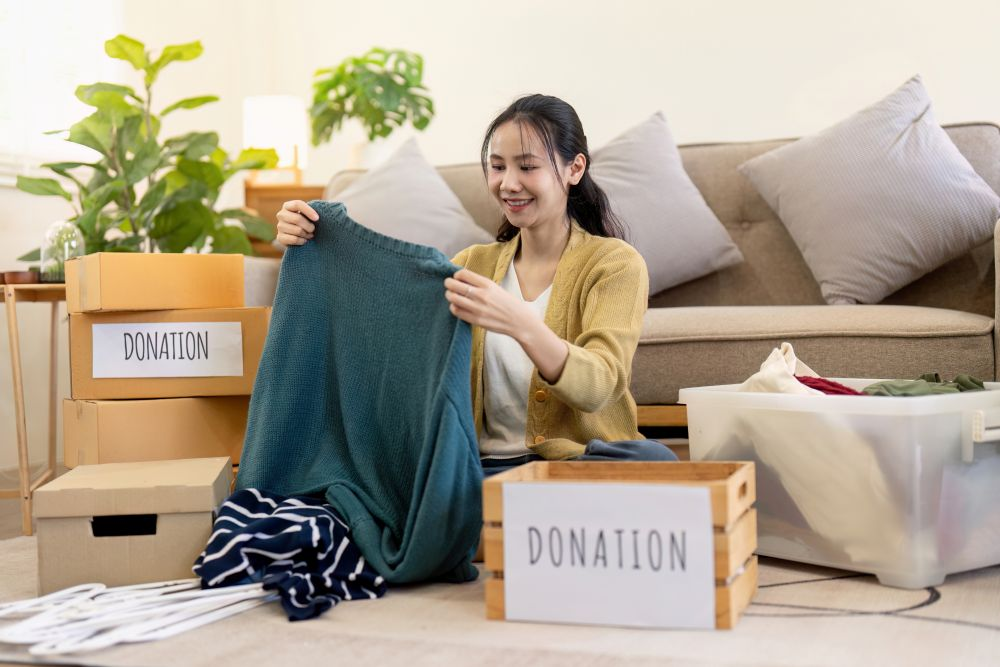
Dropping off bags of clothes at Goodwill feels good. You’re decluttering your home and helping people in your community at the same time.
But before you toss everything into donation bags, there are a few things worth knowing. Not all items belong in the donation bin, and how you prepare your donations actually matters. Some well-meaning gifts can create problems for Goodwill workers or end up in landfills anyway.
The good news is that donating responsibly is easy once you know safe practices to observe. Here are a few tips:
Choose Clean and Gently Used Clothing
Your clothes should always be clean when donating. Even items that look fine can carry dust or odors from storage. Clean clothes are easier to sort and safer to handle.
Focus on gently used items that are still comfortable to wear. Shirts with missing buttons or pants with worn seams might not be practical for resale. If you wouldn’t feel comfortable buying it, setting it aside can be the better choice.
This also applies to clothing and accessories, such as hats, scarves, or belts. Clean and intact items tend to move through the system more smoothly.
Beyond clothing, you can also donate other items, such as toys, to help families in your area. Just make sure you find a toy donation center that values quality and safety. Before dropping off items, check that games have all their pieces.
If you plan to include small home appliances, sports equipment, or other electronics, make sure they still function properly. Taking these small steps ensures that your toys bring joy to a new child rather than being discarded.
Check Pockets and Personal Items Carefully
Before you pack your bags, make sure to check every pocket. Small items, such as coins, keys, or receipts, can be easily hidden. Finding these things now protects your privacy and ensures you do not lose something important.
Checking pockets is also a major safety step. Sharp objects or forgotten medications left in clothing can be hazardous to the people sorting through the donations. A quick sweep of the fabric ensures the workers’ safety as they process your gift.
This step is especially important for coats, purses, and backpacks. Taking a moment to empty every zipper and compartment prevents accidents from happening. It also makes it much easier for your items to get to the sales floor quickly.
Be Thoughtful About What You Donate
Some clothing items raise concerns about hygiene or safety. Worn underwear and socks are generally not suitable for donation. You should also discard shoes that are heavily worn and no longer provide proper grip or support. These items are challenging for staff to process safely and are rarely brought to the sales floor.
You should also be aware of hidden hazardous materials. Check for sharp pins, loose needles, or jagged zippers that could hurt the person sorting the bags. Items that have been stored in damp areas may have mold or mildew, which can spread to other clean clothes.
If a piece of clothing is heavily stained or damaged beyond repair, it’s better to look for a textile recycling program. Being selective ensures that your donation helps the charity rather than creating extra work for their team.
Know When to Choose Other Donation Options
Goodwill accepts more than just clothing, but not every item is suitable for every location. Along with clothes, some donation sites may also take certain household items or small goods, depending on the available space and staffing. Larger or bulky pieces may require different handling, so it’s worth checking ahead of time.
It’s also okay to be selective. Clothing that is heavily worn, damaged, or no longer wearable might be better suited for recycling programs instead of donation. The same idea applies to household pieces that are broken or unsafe. Choosing the right option can reduce extra work for donation staff.
If you’re unsure what to bring, local guidelines can help. Many Goodwill locations clearly outline their donation rules online or at drop-off points, making it easier to decide before you arrive.
Package Donations With Care
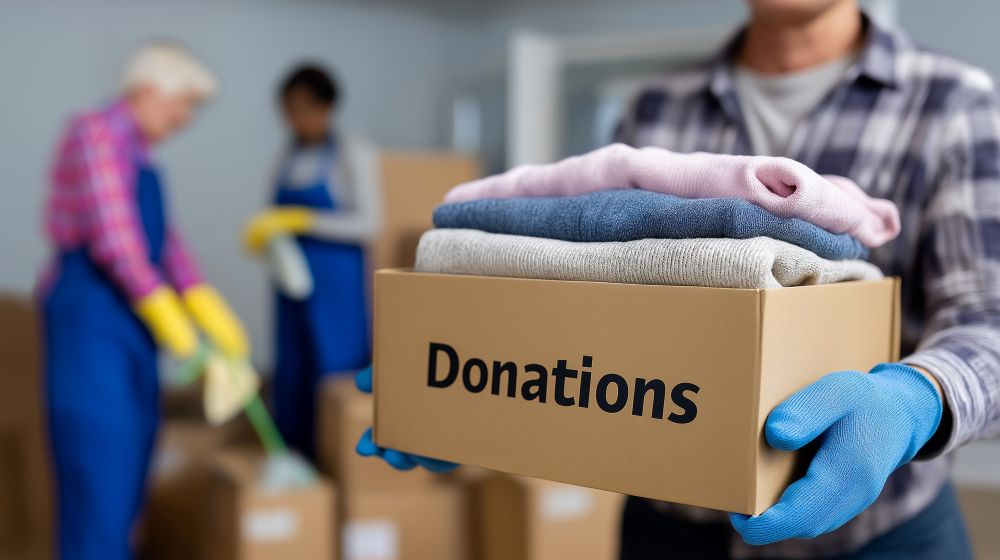
How you pack your donations can shape how easily they’re handled. Sturdy bags or boxes that can support the weight are a good starting point. At the same time, it’s best not to overfill containers, since heavy bags can be difficult to lift and may tear.
For donation items like shoes or area rugs, keeping them separate from clean clothing can make a difference. These pieces can carry dust or debris, which could transfer to other items during transport.
If you’re including small household items, exercise equipment, or toys and games, grouping similar pieces can also help. This simple step can make sorting smoother once your donation reaches the center.
Conclusion
Donating to Goodwill organizations is a great way to help your neighbors and the planet. Taking a few extra minutes to clean and check your clothes ensures your gift does the most good. Safe donating protects the staff and helps your items find a second life.
Keep these simple steps in mind next time you clear out your closet. Your thoughtful choices turn everyday items into life-changing opportunities for people in your community.