
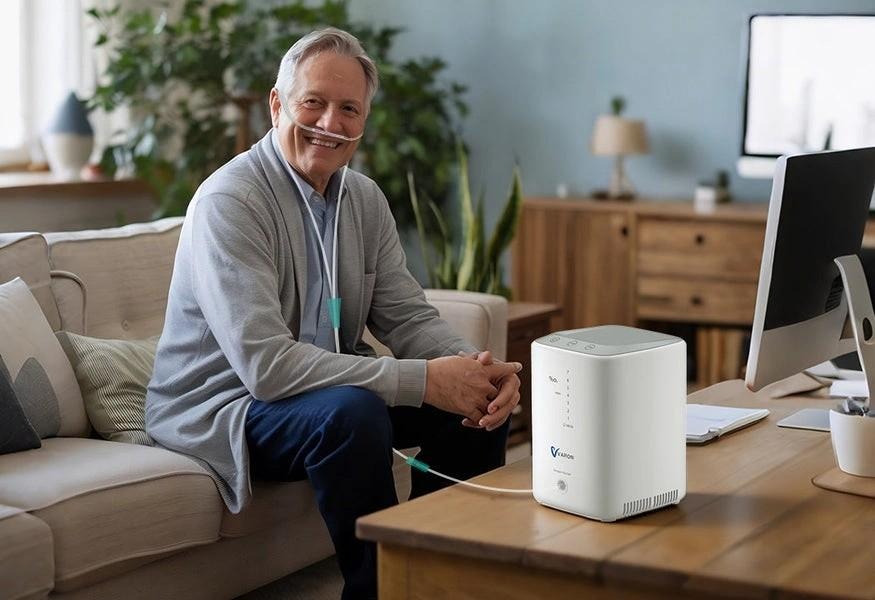
Portable oxygen concentrators have transformed how people receive life sustaining oxygen therapy. Advances in respiratory care have led to compact devices that offer far greater freedom than traditional oxygen tanks. Instead of being tied to heavy equipment, patients can now move more comfortably through daily life without sacrificing consistent oxygen support.
Today’s portable oxygen concentrators reflect major technological progress that directly improves quality of life. Modern designs rely on efficient lithium ion batteries that last longer between charges and reduce overall device weight. Many models are also approved for air travel, making it possible to fly without the logistical challenges once associated with oxygen therapy.
This article explores why so many patients now choose portable oxygen concentrators over traditional tanks. It examines their clinical advantages, financial considerations, and the importance of proper education when using oxygen equipment. While oxygen devices themselves are not therapy, they serve as essential tools that help individuals maintain safe and effective oxygen levels during everyday activities.
The Evolution of Home Oxygen Therapy
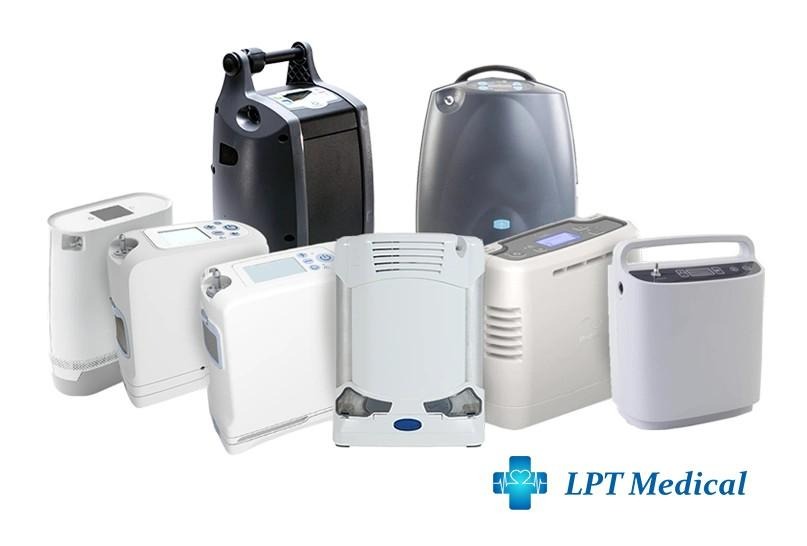
Image Source: LPT Medical
The experience of oxygen therapy started centuries ago. A French physician first used this newly found gas to treat a tuberculosis patient in 1783. The original treatment took place in specialized facilities like the Pneumatic Institution. Patients received mixtures with about 23-28% oxygen for various health conditions.
From hospital-based care to home use
Oxygen therapy stayed mostly in hospitals during the early 20th century. World War I battlefields gave an explanation about oxygen’s benefits. The medical community still wasn’t sure about continuous therapy even with supporting evidence. The 1950s brought two major changes. Nasal cannulas replaced invasive catheters and oxygen tents. Medical experts also learned more about how low-flow oxygen helped COPD patients.
A big change came in the 1960s when Medicare started paying for home oxygen costs. Private insurers soon followed with similar coverage. The 1970s brought a technology breakthrough with oxygen concentrators. These machines filtered oxygen from room air and eliminated the need for cylinder deliveries. Before this innovation, industrial gas companies delivered cylinders. People stored these outside their homes and ran tubing to patients who often couldn’t leave their beds.
Most commercial insurance providers covered home oxygen therapy by 1970. Companies kept developing smaller and better concentrators through the 1980s and 1990s. Battery-powered portable options finally arrived in the early 2000s.
How patient profiles have changed over time
Today’s oxygen therapy patients are quite different from those in past decades. Healthcare professionals say they now see patients at earlier disease stages. This allows them to help patients sooner than before. The number of home oxygen patients has grown by 4-8% each year, with about a 5% net increase in domestic patient numbers yearly.
The respiratory care field keeps growing. Experts expect the global respiratory care market to reach USD 55.67 billion by 2032, growing at a 10% CAGR from 2025. The portable oxygen concentrator market should grow from USD 1.9 billion in 2024 to USD 3.5 billion by 2033.
Several factors drive this growth. An aging global population, more cases of respiratory diseases, and people’s preference for home-based treatments contribute to this trend. Healthcare systems worldwide want to cut costs by reducing hospital stays.
Clinical Advantages of Portable Oxygen Concentrators
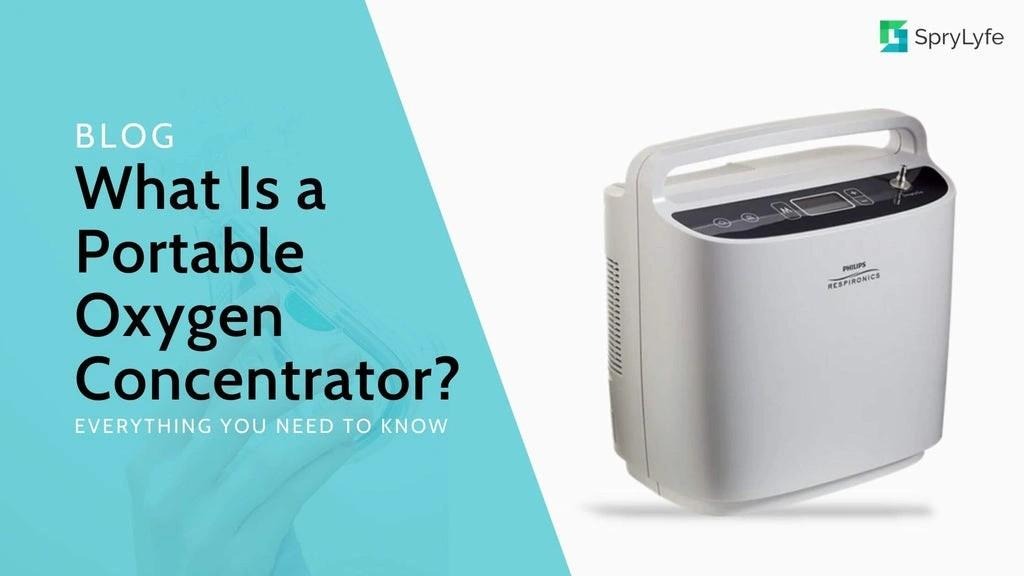
Image Source: SpryLyfe
Recent clinical evidence shows portable oxygen concentrators provide major health benefits beyond just convenience. These compact devices have unique advantages that regular oxygen tanks can’t match.
Consistent oxygenation at all activity levels
Proper oxygen levels matter a lot during different activities for respiratory patients. Portable oxygen concentrators (POCs) deliver oxygen in pulse dose or continuous flow modes and adapt to changing breathing patterns. Studies reveal these devices can track breath rates that change up to 34 breaths per minute. Today’s POCs show excellent pulse alignment at every setting. Each breath gets the right amount of oxygen whatever the activity level.
POCs are better than stationary systems because you can adjust them based on oxygen needs during rest, exercise, and sleep. This flexibility matters since oxygen levels need to stay above 88-90 percent during all activities.
Reduced hospital readmissions
Home oxygen therapy’s effect on healthcare use stands out as a key benefit. Research shows proper home oxygen therapy cuts down hospital readmissions with a standardized mean difference of -0.40. Real-world studies of COVID-19 patients who went home with oxygen showed low 30-day readmission rates of just 8.6%.
More research proves that home oxygen therapy combined with proper monitoring cuts 30-day readmissions by 58.3% compared to patients using oxygen alone.
Support for active lifestyles
POCs’ biggest advantage is how they help people live normal lives. These devices help patients strengthen their hearts, lungs, and muscles by easing breathlessness during exercise. Modern concentrators’ lightweight, battery-powered design lets users walk, jog, and even fly – activities that would be hard or impossible with traditional tanks.
Patients report better quality of life with portable oxygen. Studies show boosted health-related quality of life scores (SMD=0.49). This improvement covers breathing function, physical abilities, and mental well-being.
The Hidden Costs of Traditional Oxygen Tanks
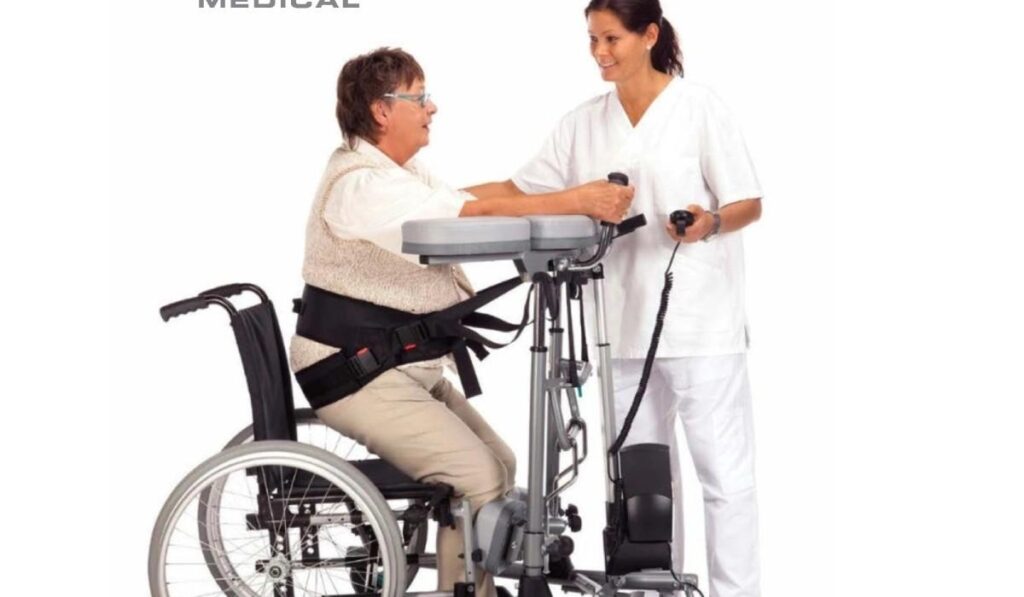
Image Source: SPH Medical
Traditional oxygen tanks hide more than their bulky frames suggest. The financial burden they create affects healthcare systems and patients way beyond the reach and influence of their price tags.
Reimbursement issues and outdated models
Medicare completely changed its payment approach for oxygen equipment since 2006. The system used to provide continuous monthly payments based on medical necessity. Now it caps total payments at 36 months. Reimbursement for oxygen therapy has taken several big hits in recent years. Monthly payments now barely reach USD 100.
Healthcare providers face a tough reality today. Technology keeps advancing while reimbursement keeps declining. CMS cut oxygen therapy payments by 9.5% in 2009, which dropped the monthly rate to USD 175.79. A 2006 survey showed that equipment and refills make up only 28% of oxygen provision costs. The rest goes to delivery, maintenance, patient education, and overhead.
Impact on patient mobility and health outcomes
The weight and size of traditional oxygen tanks create serious mobility problems that hurt patient health. Patients strongly prefer portable oxygen concentrators – 73.3% in one study. They point to easy transport and lighter weight as their main reasons.
These problems run deeper than mere inconvenience. Patients who can’t access portable options often feel isolated and struggle to participate in community activities. Limited mobility leads to more chronic lung disease flare-ups and worse mental health.
Medicare’s reimbursement policy makes things harder. It discourages providers from offering liquid oxygen systems because they cost too much to provide. Many patients end up stuck with heavy equipment that severely limits their daily life quality.
The Role of Education and Clinician Support
Education and clinician guidance are essential to successful oxygen therapy. More than half of patients report never receiving formal training on their oxygen equipment, a gap that can limit effectiveness and increase risk. This makes professional support especially important when patients move to portable oxygen concentrators. Oxygen devices are tools, not therapy itself, and their value depends on how well they are used.
In some cases, clinicians may also discuss related home based wellness technologies, including portable hyperbaric chambers, to help patients understand how different oxygen focused tools serve distinct purposes and require different levels of oversight.
A New Standard for Living Well With Oxygen Therapy
Portable oxygen concentrators represent a meaningful shift in how oxygen therapy fits into daily life. They support consistent oxygen delivery while allowing people to stay active, travel more easily, and maintain routines that matter to their health and independence. Advances in technology have reduced physical burden, improved reliability, and made oxygen support more adaptable to real world movement and activity.
The benefits extend beyond convenience. Better mobility, fewer hospital readmissions, and improved quality of life show how the right equipment can support stronger clinical outcomes when paired with proper education and clinician oversight.
As home based care continues to grow, portable oxygen concentrators stand out as a practical and patient centered option. When matched carefully to individual needs and supported with ongoing guidance, they help people manage respiratory conditions with greater confidence and control, making oxygen therapy a more natural part of everyday living.