
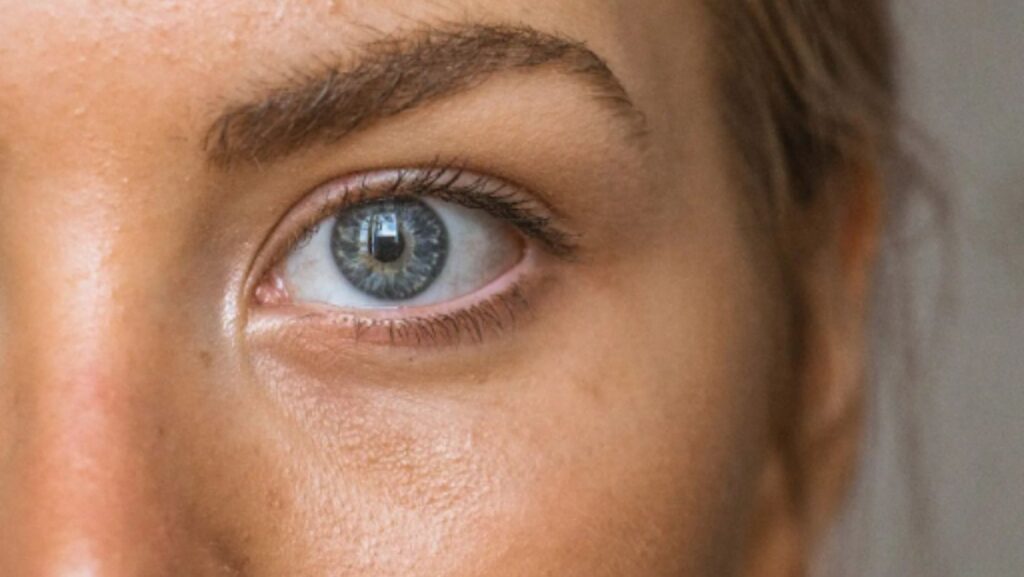
Your eyes are one of the most important senses. They allow you to see the world, read, work, and enjoy daily activities. Despite this, many people overlook proper eye care. Maintaining eye health is not difficult, but it requires consistent attention and good habits. Clinics like Suravision specialize in advanced eye care and provide guidance on preserving vision. This guide explains practical ways to care for your eyes and maintain long-term eye health.
Why Eye Care Matters
Eyes are sensitive organs that can be affected by age, environment, and lifestyle. Poor habits can lead to strain, discomfort, or long-term vision problems. Conditions such as glaucoma, cataracts, and macular degeneration often develop without noticeable symptoms. Regular care and checkups help detect problems early.
Good eye health affects overall quality of life. Clear vision makes reading, driving, and sports safer and more enjoyable. Preventing eye problems also reduces the need for corrective measures later in life, such as glasses, contact lenses, or surgery.
Daily Habits for Healthy Eyes
Small daily habits can have a major impact on eye health. Simple routines support vision and prevent strain.
1. Balanced Diet
Eating foods rich in vitamins A, C, and E supports eye health. Leafy greens, carrots, sweet potatoes, and citrus fruits provide nutrients essential for the retina and cornea. Omega-3 fatty acids, found in fish like salmon, help maintain healthy blood vessels in the eyes.
2. Stay Hydrated
Dehydration can cause dry eyes and discomfort. Drinking enough water each day helps keep eyes moist and prevents irritation.
3. Limit Screen Strain
Long hours in front of computers or smartphones can cause eye fatigue. Follow the 20-20-20 rule: every 20 minutes, look at something 20 feet away for 20 seconds. This simple exercise reduces strain and prevents headaches or blurred vision.
4. Protect Your Eyes From Sunlight
Ultraviolet (UV) rays can damage the eyes over time. Wear sunglasses that block 100% of UV rays when outdoors. Wide-brimmed hats provide additional protection.
5. Avoid Smoking
Smoking increases the risk of cataracts, macular degeneration, and other eye diseases. Quitting smoking improves overall health and reduces stress on your eyes.
Recognizing Warning Signs
Pay attention to changes in your vision. Early detection is key to preventing serious problems.
Common signs to watch for include:
- Blurry or double vision
- Difficulty seeing at night
- Eye pain or redness
- Frequent headaches associated with visual tasks
- Sudden changes in vision
If any of these occur, see an eye care professional promptly. Ignoring symptoms can make treatment more complicated.
Regular Eye Exams
Routine eye exams are crucial, even if your vision seems fine. Adults should schedule an eye exam at least once every two years. Those over 40 or with a family history of eye conditions may need exams more frequently.
Eye exams can detect early signs of glaucoma, cataracts, diabetes-related eye problems, and other conditions. They also help ensure that glasses or contact lens prescriptions are accurate.
Eye Safety at Home and Work
Accidents can happen anywhere, but preventive measures reduce risks.
- Wear protective eyewear during sports, home projects, or when handling chemicals.
- Keep workspaces well-lit to avoid eye strain.
- Adjust computer screens to reduce glare and maintain proper distance from your eyes.
Preventing injuries is easier than treating them. Safety measures protect not only vision but also overall health and productivity.
Managing Eye Strain
Eye strain is common in modern life. Extended screen use, reading in low light, or poor posture can cause fatigue. Symptoms include dry eyes, blurred vision, and headaches.
To manage strain:
- Take regular breaks from screens.
- Blink frequently to keep eyes moist.
- Adjust lighting to avoid harsh reflections.
- Use lubricating eye drops if needed.
Simple habits can make a significant difference in comfort and long-term eye health.
Special Considerations for Children and Seniors
Eye care is important at all ages. Children may develop vision problems that affect learning. Regular eye exams for children ensure proper development and correct vision issues early. Limiting screen time and encouraging outdoor activities also supports healthy vision in kids.
For older adults, vision changes are common. Cataracts, glaucoma, and macular degeneration risk increases with age. Maintaining routine exams and monitoring vision changes help manage these conditions and maintain independence.
Choosing the Right Eye Care Professional
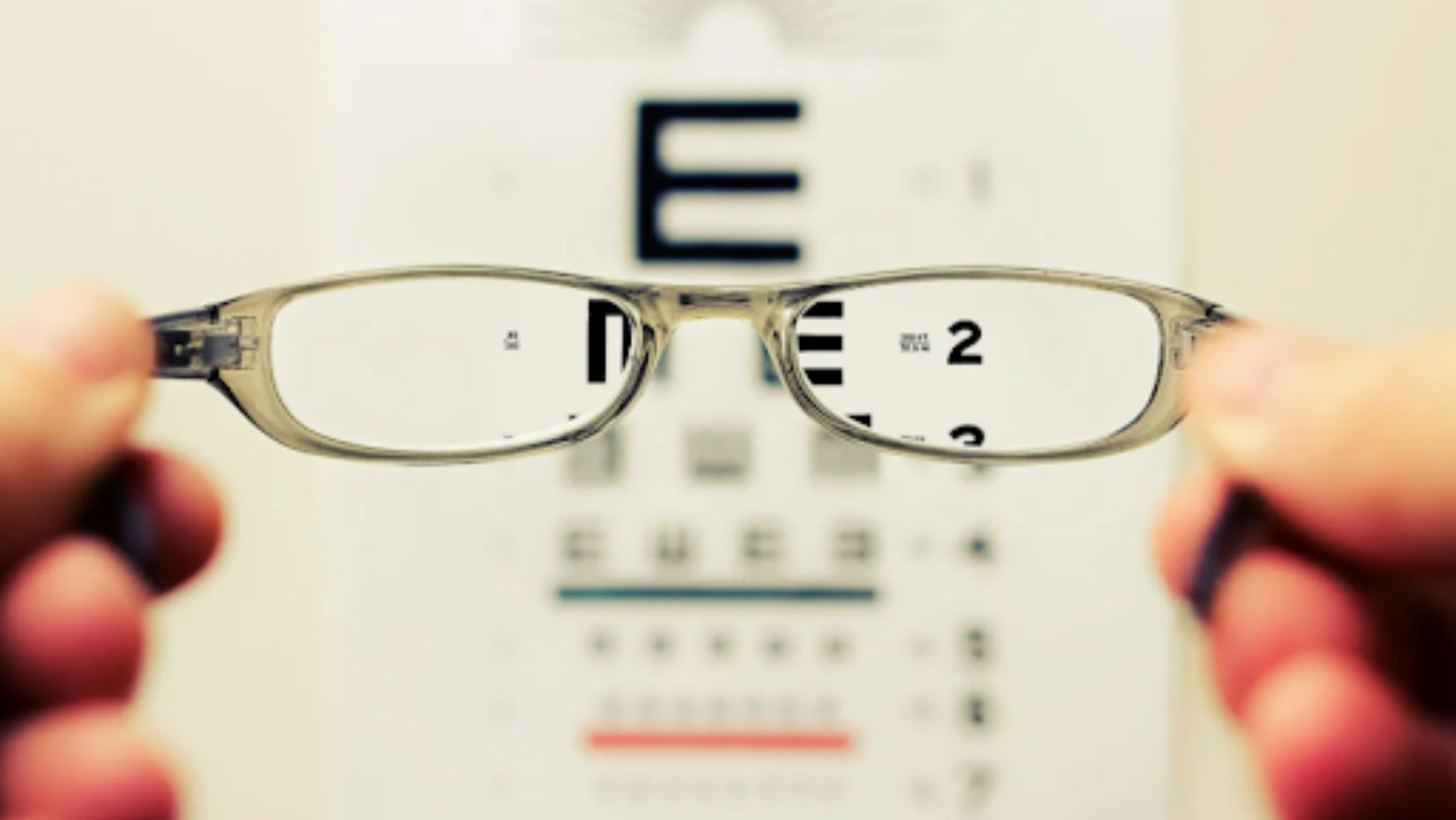
Optometrists and ophthalmologists provide essential guidance for eye health. Optometrists perform exams, prescribe corrective lenses, and detect eye conditions. Ophthalmologists handle medical and surgical treatment for serious eye diseases.
Choosing a qualified professional ensures accurate diagnosis, proper treatment, and ongoing support. Do not hesitate to seek a second opinion if you have concerns about your vision or recommended treatments.
Lifestyle Choices That Support Long-Term Vision
Your lifestyle influences eye health over time. Exercise improves circulation, which supports healthy eyes. Adequate sleep allows the eyes to rest and repair. Managing chronic conditions, such as diabetes or high blood pressure, reduces the risk of vision problems.
Avoid habits that strain the eyes or increase disease risk. Balanced nutrition, regular checkups, and protective measures form the foundation of long-term eye health.
Common Myths About Eye Care
Some misconceptions can prevent people from taking proper care of their eyes:
- Myth: Only people with vision problems need eye exams.
Fact: Everyone benefits from routine exams to detect hidden conditions. - Myth: Reading in dim light damages eyes.
Fact: It causes temporary strain but does not cause permanent damage. - Myth: Glasses weaken your eyes.
Fact: Glasses correct vision and reduce strain—they do not harm eye muscles.
Understanding facts helps people make informed decisions and avoid unnecessary worry.
Conclusion
Taking care of your eyes is essential for daily life and long-term health. Simple habits like eating well, protecting eyes from UV light, and managing screen use improve comfort and prevent strain. Regular exams and early attention to symptoms help detect problems before they worsen.
Children, adults, and seniors all benefit from consistent eye care. Combining lifestyle choices, professional guidance, and preventive habits ensures eyes remain healthy for years. By prioritizing vision today, you support your independence, safety, and quality of life tomorrow.