
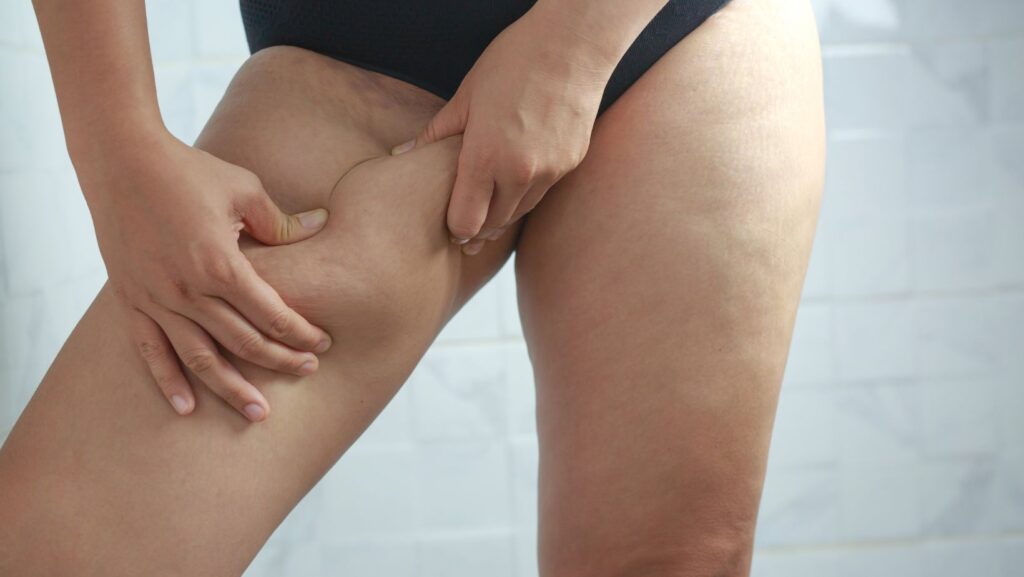
Excess skin on the thighs is a common issue after major weight loss – both physically uncomfortable and emotionally discouraging. A thigh lift is a surgical procedure designed to reshape and tighten the inner or outer thigh by removing sagging skin and underlying fat. Rather than focusing on weight reduction, this body contouring surgery helps restore proportional balance between thighs, hips, and buttocks.
What is a thigh lift?
A thigh lift is a body-contouring surgery that aims to improve the shape of the thighs by removing loose skin and some fat, often needed after major weight loss or aging. The goal is smoother skin, less chafing, and better proportion between thighs, hips, and buttocks rather than weight loss itself.
Types of thigh lifts
There are several standard techniques, chosen based on where the excess skin is:
- Inner (medial) thigh lift: focuses on sagging skin of the inner thigh, common after weight loss; incision typically near the groin, sometimes extending downward.
- Outer (bilateral) thigh lift: targets outer thighs and sometimes buttocks/hips, lifting tissue upward.
- Vertical thigh lift: used when there is extensive laxity from groin toward the knee, often after massive weight loss.
- Mini thigh lift: for mild excess limited to the upper inner thigh, with smaller incisions and usually a shorter recovery.
A thigh lift is a highly specialized procedure that should be done by certified experts. At Oceanplasticsurgery you’ll find certified surgeons offering scientifically guided care for natural and long-lasting results.
How the procedure works
Thigh lift surgery is almost always done under general anesthesia and usually takes about 2-3 hours, longer if combined with other procedures.
Before surgery, the surgeon marks the areas of skin and fat to remove with you standing, so gravity and folds are visible.
During the operation the surgeon:
- Makes incisions based on the chosen technique (groin crease, vertical down the inner thigh, around the hip, etc.).
- Removes excess skin and fat, often with a combination of scalpel and liposuction.
- Tightens and repositions the underlying tissue and sometimes fascia, using deep sutures to support the new thigh shape.
- Closes the skin with sutures, clips, or skin adhesive, and usually places drains to remove blood and fluid.
At the end of surgery, compression garments or bandages are applied around the thighs to limit swelling and support the tissues.
How Long Is the Recovery From a Thigh Lift?
Recovery is gradual, most sources describe 6-8 weeks before most normal activities and several months before final results.
First week
Swelling, bruising, tightness, and pain are most intense, walking short distances is encouraged to reduce blood clot risk, but long walks or standing are limited. Drains are often removed within about 3-10 days, depending on output.
Weeks 2-3
Pain and bruising usually decrease significantly, many patients can return to desk work after about 1-3 weeks if no heavy activity is needed.
Weeks 4-6
Light to moderate exercise often resumes, but high-impact sports and heavy lifting are still restricted; most swelling has improved but tightness can persist.
After 2-3 months
Near-final contour is more visible, though subtle swelling and scar maturation can continue up to 6-12 months.
Risks, scars, and results
Like any surgery, a thigh lift carries risks such as bleeding, infection, blood clots (DVT), delayed wound healing, fluid collections (seroma), and adverse reactions to anesthesia.
Specific to thigh lifts, there is risk of wound breakdown in the groin, visible or widened scars, asymmetry, numbness, or need for revision surgery.
Scars are permanent but usually fade over 12-18 months; placement (groin crease, inner thigh, outer hip, vertical line) depends on the technique used.
For many post-weight loss patients, reduced skin folds, easier hygiene, and less chafing outweigh scar visibility, provided expectations are realistic and weight remains stable.
Frequently Asked Questions
Will a thigh lift remove cellulite or stretch marks?
No, a thigh lift is not designed to remove cellulite or stretch marks. However, by tightening and removing excess skin, it can make the skin appear smoother, which may reduce the visibility of stretch marks or cellulite in the treated area.
Can a thigh lift be combined with other procedures?
Yes, a thigh lift is often combined with other body contouring surgeries like tummy tuck, buttock lift, or liposuction. Combining procedures can reduce overall recovery time, but it also increases surgery length and complexity.
How long do the results of a thigh lift last?
Thigh lift results can last for many years if your weight remains stable. Significant weight changes or aging can affect skin elasticity, but with proper care and a healthy lifestyle, the contour improvements are generally long-lasting.