
Daily social gaming has grown far beyond a casual pastime, evolving into one of the most accessible ways for people to sharpen their minds, unwind, and stay socially connected. While gaming culture used to be shadowed by outdated stereotypes, modern research paints a much different picture. Today, social games are recognised as powerful tools for improving cognitive performance, boosting well-being, and strengthening meaningful relationships across digital spaces.
One of the clearest advantages lies in cognitive enhancement. Studies highlight how regular gaming improves memory and attention by stimulating the brain’s grey matter, the region responsible for motor skills, emotional response, and information processing. Frequent players often show stronger problem-solving abilities as well, especially in games built around missions, puzzles, or open-world exploration. These experiences naturally encourage strategic thinking and quick decision-making, skills that tend to transfer into real-life situations. Across the board, in general, whoever plays socially every week has demonstrated better performance in tasks involving memory and response control. The sense of accomplishment from mastering small challenges step by step in these games can extend well outside the digital world, empowering players and boosting their confidence.
But the benefits are not only about mental sharpness. Many people turn to social games because they offer reliable relief from stress. According to several reports, players regularly describe feeling more relaxed, less anxious, and more optimistic after gaming sessions. These emotional boosts come from the structure of games themselves, where clear goals, constant feedback, and steady progression reinforce motivation. Mastering small challenges step by step helps create a sense of accomplishment that can extend well outside the digital world, contributing to a relaxed and optimistic mindset.
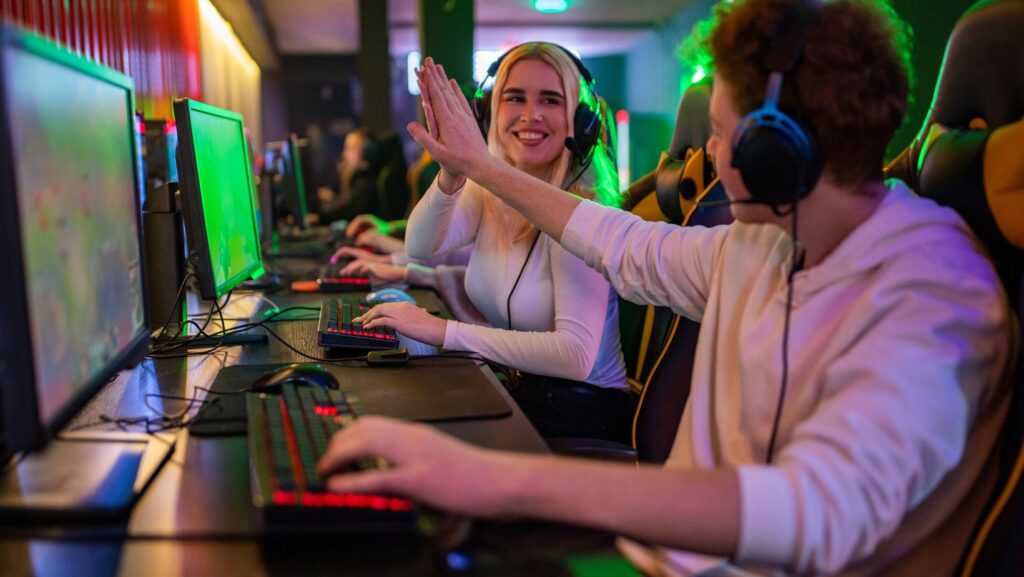
Social connection, however, is where daily social gaming shines the brightest. Contrary to the belief that online interactions are shallow or inferior to in-person relationships, researchers have found that friendships formed through games are just as real and valuable. Multiplayer titles, MMOs, and community-based platforms help players build social identity, increase self-esteem, and reduce loneliness. The shared focus on a common activity naturally deepens bonds, making communication feel effortless and enjoyable. This dynamic is especially meaningful for people who are geographically isolated, giving them a simple and engaging way to stay connected. It is also becoming a major reason why social casino-style games appeal to such a wide demographic, which is why big pirate social casino and other reputable operators are becoming quite popular with a wider audience, providing a sense of connection and reducing feelings of loneliness.
Even social casinos, where no real money is involved, can offer many of the benefits seen in larger online communities. These games bring people together through shared challenges, friendly competition, and the lighthearted thrill of chance. They encourage the same kind of cognitive engagement as strategy-based gaming, requiring attention, fast thinking, and the ability to assess options in the moment. Combined with their social features, they create an environment that feels entertaining, mentally stimulating, and socially active.
Viewed in a positive light, daily social gaming becomes much more than a hobby. It is a space where people can keep their minds sharp, manage stress, connect with friends, and develop confidence in a low-pressure environment. As gaming continues to evolve, its capacity to improve everyday life becomes increasingly clear, giving players a meaningful blend of challenge, connection, and joy.