
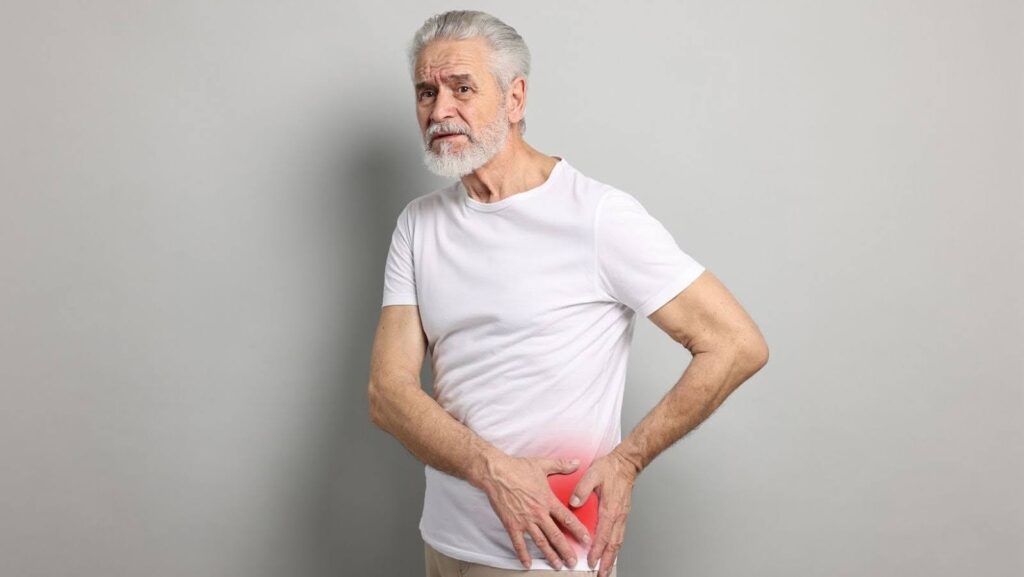
Chronic pain is a widespread yet often overlooked challenge for seniors, affecting more than half of adults over 65. While many older adults believe pain is simply a part of aging, unmanaged discomfort can lead to reduced mobility, social isolation, and a lower quality of life.
The good news? A holistic approach to pain management, combining medical care, lifestyle changes, and alternative therapies, can help seniors regain comfort, independence, and vitality. This article explores safe, evidence-based strategies for managing pain in older adults, including when and how medications like opioids fit into the picture and how to transition toward healthier, long-term solutions.
Understanding Pain in Seniors
Pain in seniors often stems from age-related conditions such as arthritis, neuropathy, or musculoskeletal disorders. Unlike acute pain, which is temporary, chronic pain persists for months or even years, impacting daily activities and well-being. Many seniors hesitate to discuss their pain, assuming it’s inevitable or fearing the side effects of medication. However, untreated pain can lead to depression, sleep disturbances, and a decline in overall health.
Common Causes of Chronic Pain in Seniors:
- Arthritis (osteoarthritis, rheumatoid arthritis)
- Nerve damage (diabetes, shingles, surgery)
- Back or joint pain (degenerative disc disease, osteoporosis)
- Chronic illnesses (heart disease, kidney disease)
Recognizing pain as a treatable condition is the first step toward improving seniors’ lives. A holistic approach addresses not just the physical symptoms but also the emotional and social factors that influence pain perception.
The Role of Opioids in Senior Pain Management
Opioids have been a go-to for severe pain, but their use in seniors is fraught with risks. Older adults metabolize drugs more slowly, increasing the likelihood of side effects, dependency, and overdose. Recent guidelines stress that opioids should only be used when non-opioid therapies fail, and always at the lowest effective dose for the shortest duration.
The Challenges of Opioid Use in Seniors:
- Increased sensitivity: Age-related changes in liver and kidney function mean opioids can build up in the body, leading to drowsiness, confusion, or fallsnida.nih.gov.
- Polypharmacy dangers: Many seniors take multiple medications, raising the risk of dangerous drug interactions.
- Withdrawal risks: Stopping opioids abruptly can trigger severe withdrawal, making medically supervised detox essential for those who need to taper off.
For seniors dependent on opioids, detox is not a DIY project. Withdrawal can be physically and emotionally taxing, and older adults require specialized inpatient care to manage symptoms safely.
Key Steps for Safe Opioid Detox and Tapering:
- Medical supervision: Inpatient detox is the gold standard, ensuring safety and comfort.
- Gradual reduction: Tapering opioids slowly minimizes withdrawal symptoms and relapse risk.
- Holistic aftercare: Post-opioid detox support, such as counseling, physical therapy, and social services, helps seniors address the root causes of pain and avoid returning to opioid use
Holistic Strategies for Pain Relief
Holistic pain management focuses on non-pharmacological therapies that empower seniors to take an active role in their recovery. These strategies are not only effective but also reduce the need for opioids and other medications.
1. Physical Therapy and Movement
- Strengthening exercises target muscles around painful joints, improving stability and reducing discomfort.
- Low-impact activities, such as walking, swimming, or tai chi, enhance mobility and promote overall well-being.
2. Mind-Body Interventions
- Yoga and meditation combine physical postures, breathing techniques, and mindfulness to reduce pain and stress.
- Cognitive Behavioral Therapy (CBT) helps seniors change their perception of pain, reducing its emotional toll.
3. Complementary and Alternative Therapies
- Acupuncture is widely recognized for its ability to relieve chronic pain, particularly in conditions like arthritis and back pain.
- Massage therapy helps ease muscle tension, improve circulation, and promote relaxation.
4. Occupational and Lifestyle Adjustments
- Occupational therapy helps seniors modify their environment and daily routines to minimize pain and maximize independence.
- Social engagement through group activities or support groups combats isolation, which can worsen pain perception.
5. Nutrition and Hydration
- Nutrition plays a key role in joint health, an anti-inflammatory diet rich in fruits, vegetables, and healthy fats supports the joints.
- Proper hydration is crucial for maintaining muscle and joint function.
Integrating Medical & Holistic Care
The most effective pain management plans for seniors integrate medical treatments with holistic therapies. This interdisciplinary approach ensures that all aspects of pain, physical, emotional, and social, are addressed.

How Integration Works:
- Collaborative care teams (doctors, physical therapists, occupational therapists, and social workers) develop personalized plans that may include medications, physical therapy, and alternatives.
- Regular monitoring allows the team to adjust strategies based on the senior’s progress and feedback.
- Patient education empowers seniors to take control of their pain management, fostering a sense of autonomy and confidence.
Example of Integrated Care: A senior with osteoarthritis might combine low-dose NSAIDs (under medical supervision) with physical therapy, acupuncture, and a support group. If opioids are part of the plan, they are used sparingly and tapered as holistic strategies become more effective.
Safe Recovery Pathways
Recovery from chronic pain or opioid dependency is a journey, not a sprint. For seniors, safety and support are paramount.
Steps for Safe Recovery:
- Medical Detox (if needed): Inpatient programs provide 24/7 care for those dependent on opioids.
- Gradual Tapering: Slowly reducing opioid doses minimizes withdrawal and prevents relapse.
- Holistic Support: Ongoing therapies, such as physical therapy, counseling, and social activities, help seniors maintain progress and improve quality of life.
- Preventing Relapse: Addressing the root causes of pain (e.g., arthritis, nerve damage) through holistic strategies reduces the need for opioids long-term.
Red Flags for Caregivers:
- Increased confusion or drowsiness (possible opioid side effects)
- Withdrawal from activities (sign of depression or unmanaged pain)
- Requests for higher doses (potential dependency)
Final Thoughts
Pain management for seniors doesn’t have to rely solely on opioids. By combining medical oversight with holistic strategies, physical therapy, mind-body practices, social support, and safe detox when necessary, older adults can achieve lasting relief and a better quality of life. The key is a personalized, interdisciplinary approach that addresses the whole person, not just the pain.