
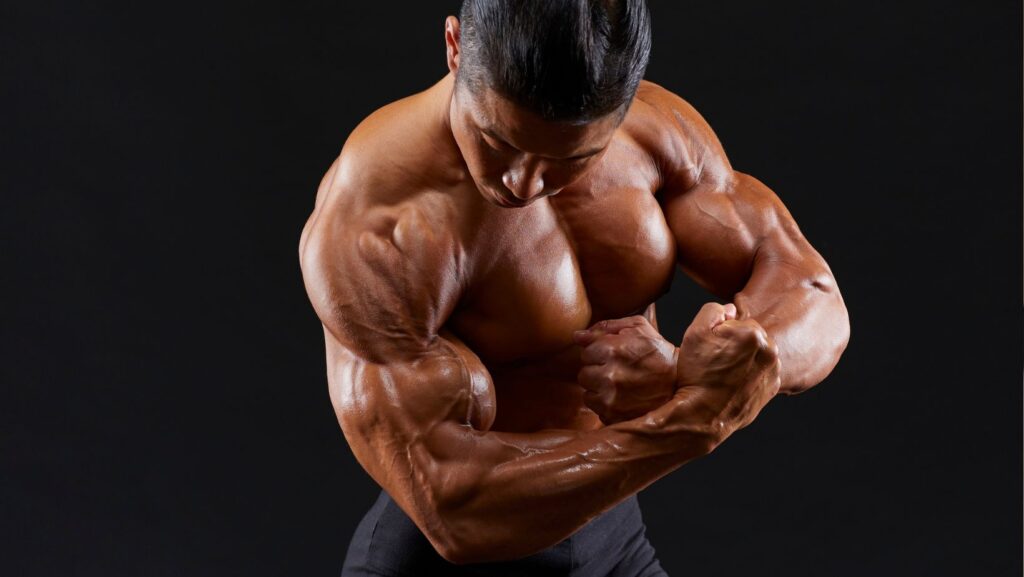
When most people think of the biceps, they picture strength, flexing, and fitness. But beneath that powerful muscle lies a vital structure that tells a deeper story about your overall health the biceps tendon. This small yet strong band of tissue doesn’t just help you lift weights or carry groceries; it reflects how well your muscles, joints, and even your lifestyle are working together.
Understanding your biceps tendon health is key not only to preventing injury but also to maintaining long-term mobility, balance, and physical well-being.
Understanding the Biceps Tendon: The Bridge Between Muscle and Bone
The biceps tendon acts as a bridge connecting your biceps muscle to the bones in your shoulder and elbow. It’s what allows you to bend your elbow, rotate your forearm, and lift objects efficiently. There are two main parts of this tendon the proximal tendon at the shoulder and the distal tendon near the elbow. Together, they coordinate movement and provide stability for everyday tasks.
While the biceps muscle gets all the glory, the tendon quietly endures repetitive motion, heavy lifting, and strain. Over time, small tears, inflammation, or poor posture can cause discomfort or even significant injury. When a biceps tendon injury disrupts your daily life, finding a specialist for advanced care is crucial. Learn about the effective treatment options for a Biceps tendon injury Cleveland Orthopedic & Spine Institute offers. Addressing issues early can prevent long-term damage and ensure your arm stays strong, flexible, and functional.
The Health Connection: What Your Biceps Tendon Reveals
The condition of your tendons can reveal much about your body’s overall health. Healthy tendons are strong, elastic, and well-nourished, a reflection of good nutrition, hydration, and circulation. When tendons weaken or become inflamed, it often points to larger systemic issues.
For instance, a diet lacking in collagen, vitamin C, or protein can slow down tendon repair and make them more prone to microtears. Similarly, conditions like diabetes or thyroid imbalances can reduce blood flow and hinder tendon strength. Chronic dehydration and sedentary lifestyles can also stiffen connective tissues, making them less resilient during physical activity.
If you experience persistent biceps tendon pain, it might not just be about overuse. It could be your body’s way of signaling that your overall wellness, including your metabolism, muscle balance, and joint function, needs attention.
Common Signs of Biceps Tendon Problems
Recognizing early symptoms of a biceps tendon injury can help prevent further complications. Common warning signs include:
- Sharp or dull pain near the shoulder or elbow, especially when lifting or rotating your arm
- Weakness or loss of strength in the upper arm
- Swelling or tenderness along the front of the shoulder
- A snapping or popping sound during movement
- A visible bulge in the upper arm, often called a “Popeye deformity,” which indicates a tendon tear
Ignoring these symptoms may lead to chronic inflammation or even a full rupture that requires surgical intervention. Early assessment and treatment can make all the difference in recovery and long-term tendon health.
Lifestyle Factors That Affect Biceps Tendon Health
Your lifestyle has a major impact on tendon integrity. Activities like weightlifting, repetitive manual work, or even sitting with poor posture can place unnecessary strain on the biceps tendon. Over time, these habits cause wear and tear that weakens the tissue.
Other lifestyle factors, such as smoking, dehydration, poor sleep, and high stress levels, also slow down the body’s ability to repair connective tissues. Meanwhile, inadequate recovery after workouts can cause inflammation to build up.
To protect your biceps tendon:
- Always warm up before exercising or lifting heavy objects.
- Incorporate mobility and stretching routines into your day.
- Eat tendon-friendly foods like lean proteins, citrus fruits, and bone broth to support collagen production.
- Balance your workouts by including both upper and lower body exercises to avoid overloading one area.
By making small but consistent adjustments, you can prevent minor irritation from turning into a serious biceps tendon injury.
Strengthening and Healing: How to Improve Biceps Tendon Health
If you’re recovering from a tendon injury or simply want to improve tendon resilience, a combination of rest, rehabilitation, and strength training is key.
Low-impact exercises such as light resistance curls, yoga, and controlled stretching can gradually restore flexibility. Eccentric training, where muscles lengthen under tension, is particularly effective in strengthening tendons and preventing future injuries.
For those with chronic pain or partial tears, modern treatments like physical therapy, PRP (platelet-rich plasma) injections, or ultrasound-guided therapy can help speed up recovery. These interventions promote tissue repair and reduce inflammation without the need for invasive surgery.
Remember, tendons heal more slowly than muscles, so patience and consistency are crucial. Pushing through pain can worsen the condition. Always give your body time to rest and rebuild.
When to See a Specialist
If you experience ongoing pain, weakness, or visible deformity in your arm, it’s best to consult an orthopedic specialist. A thorough evaluation using imaging tests such as MRI or ultrasound can determine the extent of the injury and guide the right treatment plan.

Seeking medical attention early not only prevents further tendon damage but also ensures that you recover with full strength and mobility. Don’t wait for the pain to limit your movement. Expert care can restore function and prevent future injuries.
Conclusion: Flexing Smart for Long-Term Health
Your biceps tendon is more than a simple connector; it’s a mirror of your body’s overall condition. From your posture and nutrition to your training habits and recovery, every aspect of your lifestyle plays a role in keeping this vital tendon healthy.
So the next time you flex your arm, remember that real strength comes not just from muscle size but from the resilience of the structures that support it. Protect your biceps tendon health, nourish your body, and move mindfully because a strong flex starts with a healthy foundation beneath it.