
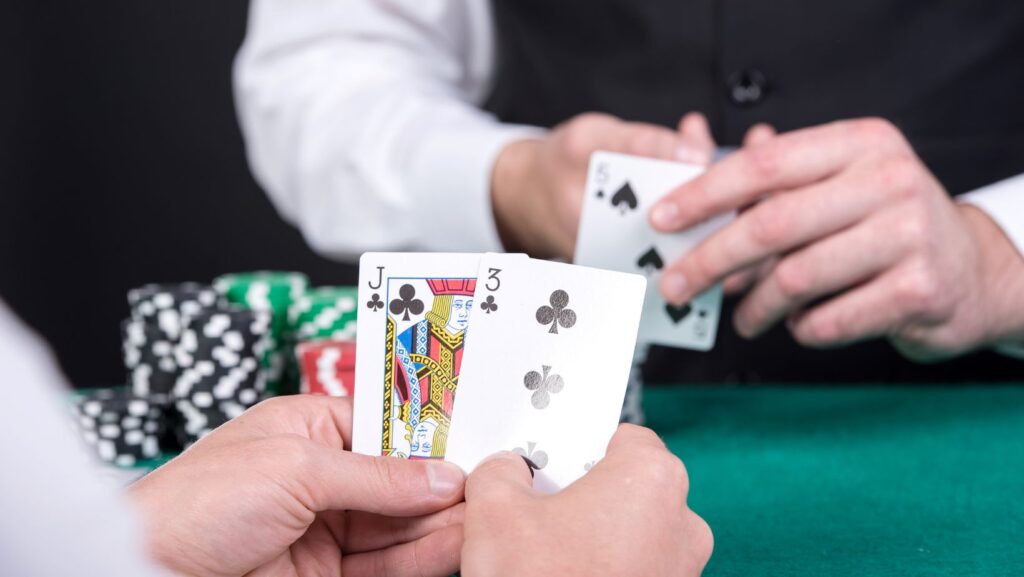
Picture this: You’re sitting at a poker table, cards in hand, studying the faces around you. Your opponent just made a substantial bet, and you’re holding what could be a winning hand—or a costly mistake. Your heart races as you calculate odds, read body language, and wrestle with that nagging voice in your head asking, “Are they bluffing?” This is what poker is all about. It’s not just about the cards you’re dealt, but how you play them. It’s a mind game where mental strength can beat luck.
The difference between casual players and poker champions isn’t just technical skill—it’s mindset. Champions know that poker isn’t just a game. It’s about dealing with unknowns, keeping your emotions in check, and thinking strategically. They’ve learned to embrace uncertainty, manage their emotions, and make calculated decisions under pressure.
This article will guide you through the fundamental strategies that separate winners from losers in the world of online poker. You’ll discover how to build a solid foundation with poker hand knowledge, master the art of deception through bluffing, and implement winning strategies that can transform your game. Most importantly, you’ll learn how cultivating the right mindset can be your greatest competitive advantage, turning poker from a game of chance into a skill-based pursuit where preparation meets opportunity.
Let’s Talk About Poker Hands
Think of poker hands as the vocabulary of the game—you can’t have a meaningful conversation without knowing the words. Just as a painter needs to understand colours before creating a masterpiece, a poker player must internalize hand rankings before developing advanced strategies.
To be successful at poker, you need to start by getting a good feel for hand strength. This goes beyond simply memorising that a flush beats a straight. Champion players develop what poker pros call “hand sense”—the ability to instantly recognise not just what they have, but how strong their hand is relative to the board and potential opponent holdings.
Learning how to play poker starts with mastering these fundamentals, but the real skill lies in understanding relative hand strength. For instance, pocket aces are powerful pre-flop, but on a board showing 9-10-J-Q with two hearts, those aces might be vulnerable to straights, flushes, or even two-pair combinations.
Professional players recommend the “story method” for remembering hand rankings. Start with the highest hand—a royal flush—and create a mental story: “The royal family (royal flush) rules over all straight flushes, which flow down to four-of-a-kind soldiers standing at attention.” This narrative approach helps players recall hand strength under pressure, when mathematical memorisation might fail.
Beyond memorisation, successful players develop pattern recognition. They practise identifying potential draws, understanding how community cards interact with different starting hands, and calculating the likelihood of improvement. This knowledge becomes automatic through repetition—like a musician who no longer thinks about finger placement but focuses on expression.
Here’s what makes the difference: understanding poker hands isn’t just about knowing what beats what. It’s about developing the ability to quickly assess your position in any given situation, understand the range of hands your opponents might hold, and make decisions based on incomplete information. This foundational skill supports every other aspect of poker strategy.
The Art of Bluffing in Poker
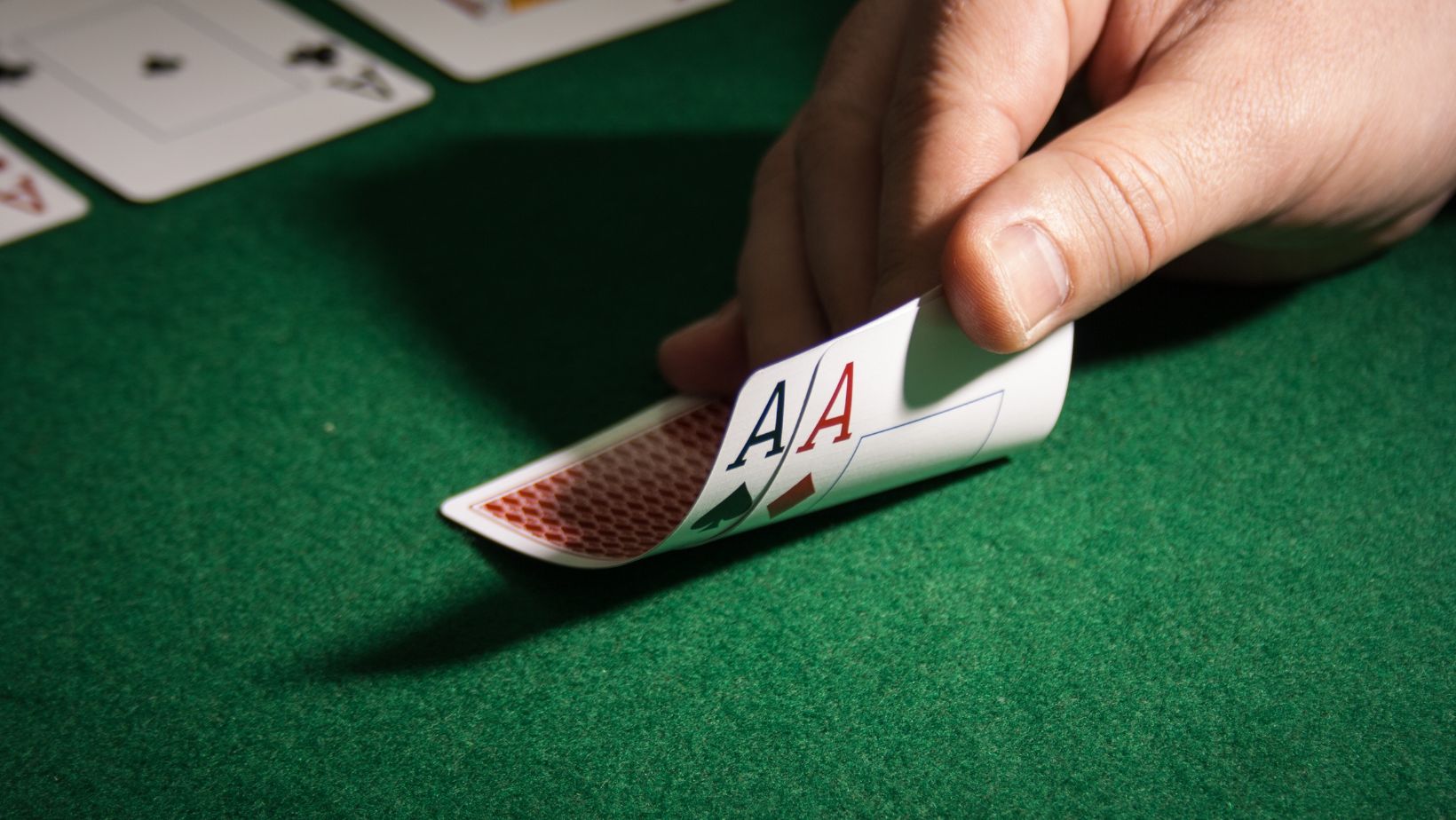
Imagine you’re negotiating a business deal, and your counterpart claims they have other offers on the table. Are they telling the truth, or are they bluffing to gain leverage? This everyday scenario mirrors the essence of poker bluffing—the art of convincing others you have something you don’t, or don’t have something you do.
Bluffing is poker’s most misunderstood concept. Movies portray it as dramatic, all-in moments with sunglasses and stoic expressions, but effective bluffing is actually about storytelling and consistency. Every bet, call, or fold tells a story about your hand, and successful bluffers are master storytellers who maintain consistent narratives throughout each hand.
The psychology behind bluffing reveals fascinating insights about human nature. We’re naturally inclined to believe others—it’s a survival mechanism that helps us function in society. Poker exploits this tendency, but only when bluffs are believable. The most effective bluffs aren’t random acts of deception; they’re calculated moves that make sense within the context of previous actions.
Consider the famous 2003 World Series of Poker hand where Chris Moneymaker bluffed Sammy Farha with King-high. Moneymaker’s bluff worked not because he acted confident, but because his betting pattern told a consistent story of strength. His pre-flop raise, continuation bet on the flop, and river shove all supported the narrative that he held a strong hand.
Successful bluffing requires understanding your opponents’ tendencies. Against cautious players who fold easily, small bluffs can be highly effective. Against calling stations who rarely fold, bluffing becomes less profitable. This is why poker professionals emphasise the importance of player observation and note-taking.
The frequency of bluffing matters tremendously. Bluff too often, and opponents will catch on, calling you down with weaker hands. Bluff too rarely, and you become predictable, missing opportunities to win pots you shouldn’t. The optimal bluffing frequency varies based on game conditions, but generally falls between 15-25% of betting situations.
Modern poker theory has revolutionised bluffing strategy through game theory optimal (GTO) play. This approach suggests that players should bluff at mathematically determined frequencies to remain unexploitable. While GTO provides a baseline, the most successful players blend theoretical knowledge with exploitative adjustments based on opponent tendencies.
Strategies to Win at Poker
Poker isn’t a game of luck—it’s a game of skill. And that skill comes from making better choices than your opponents, hand after hand. Professional players understand that poker is a game of small edges compounded over time, where consistent application of sound strategy creates long-term profitability.
Position play forms the cornerstone of winning poker strategy. Acting last provides tremendous advantages: you see how opponents act before making your decision, you can control pot size, and you can bluff more effectively. This is why professional players are significantly more aggressive when in late position compared to early position. Texas Hold’em strategy particularly emphasises positional awareness, as the dealer button rotates, giving each player equal opportunity to act last.
Bankroll management separates professionals from amateurs more than any other factor. Even the world’s best players go through losing streaks, but proper bankroll management ensures they survive these downswings. The general rule suggests having 20-30 buy-ins for cash games and 50-100 buy-ins for tournaments. This mathematical approach removes emotion from moving up or down in stakes.
Successful players master the art of range thinking rather than trying to put opponents on specific hands. Instead of thinking “he has pocket kings,” professionals consider “his range includes strong pairs, suited connectors, and premium hands based on his position and action.” This approach leads to more accurate decision-making and better overall results.
Pot odds and implied odds calculations might seem mathematical and dry, but they’re essential tools for profitable play. If a pot contains $100 and your opponent bets $50, you need to win more than 25% of the time for a call to be profitable. However, implied odds consider future betting rounds—if you hit your draw, how much more money can you extract?
Emotional control, or “tilt management,” often determines who wins and loses in poker. Tilt occurs when emotions override logical decision-making, typically after bad beats or frustrating sessions. Pro players know that poker is all about the little advantages that add up over time. Stick to your strategy, and you’ll see profits in the long run.
The concept of “table selection” illustrates poker’s strategic depth. Choosing games with weaker opponents dramatically improves win rates. It’s better to be the worst player at a table full of beginners than the best player competing against other professionals. This principle extends beyond skill level to include playing style compatibility and game conditions.
Adaptation remains crucial for long-term success. Poker constantly evolves as players improve and new strategies emerge. What worked five years ago might be losing strategy today. Successful players continuously study, analyse their play, and adjust their approach based on new information and changing game conditions.
Cultivating a Winning Mindset
Becoming a poker pro is about more than just knowing the hands, pulling off a good bluff, or using the right strategies. Sure, these are important, but they’re just the basics. The true secret lies in developing a champion’s mindset that views poker as a long-term skill game rather than a series of isolated gambling events.
Understanding poker hands provides the foundation, but champions see beyond individual hand strength to relative strength and opponent ranges. The art of bluffing isn’t about deception—it’s about storytelling and maintaining consistent narratives that make sense within each hand’s context. Winning strategies encompass everything from position play to bankroll management, but they’re only effective when applied with emotional control and adaptive thinking.
A winning attitude means accepting that poker is unpredictable and focusing more on making good decisions than on short-term wins or losses. Champions understand that they’ll lose hands they should win and win hands they should lose, but over time, superior decision-making creates positive expected value.
Remember, every poker legend started as a beginner who decided to take the game seriously. Your journey toward poker mastery begins with understanding these fundamentals and committing to continuous improvement. Whether you’re playing your first hand or your millionth, maintaining the right mindset will always be your greatest competitive advantage.
What aspects of poker strategy resonate most with your experience? Share your thoughts and biggest challenges in the comments below—the poker community thrives when players learn from each other’s insights and experiences.