

Such a subgroup consists of vitamin B7, or, as it is more properly called, biotin, which falls by the wayside when it comes to health concerns. However, this vitamin, albeit being rather small yet powerful, does make a tremendous difference in the appearance, state, and performance of women, especially when they pay great attention to fitness, beauty, or merely to feeling energetic every day. Thus, it is time to unpack the current state of biotin, its impact on the health industry, and its proper application.
The Role of Biotin in Women’s Health
Biotin is classified as a B vitamin that is very crucial to metabolism. It is a kind of assistant that converts what we feed on into energy that can be utilized by the body. But it impacts more than just energy generation.
Key Benefits of Biotin for Women
- Healthy hair and nails – One of the most well-known effects. Biotin supports keratin production, which strengthens hair strands and prevents brittle nails.
- Glowing skin – By aiding fat metabolism, it helps maintain skin elasticity and hydration.
- Nervous system balance – Biotin supports nerve function, which is vital for focus, mood, and stress management. Well to raise your mood right now, try https://www.spinia.com/en-CA.
Many women notice changes in appearance and well-being when their biotin levels are low—hair thinning, dull skin, constant fatigue.
Why Biotin Matters for Fitness and Active Women
For women who spend time at the gym, on the track, or practicing yoga, biotin can become a quiet ally.
How Biotin Helps in Fitness
- Stability of energy levels – It guarantees optimal transformation of proteins, fats, and carbs to provide enough fuel to the endurance and strength.
- Muscle recovery – Biotin also speeds up the recovery of muscles since one is able to get an improved metabolic process.
- Weight – A well functioning metabolism will help keep a consistent body weight.
It is the vitamin, which makes the “engine” of your body to work more smoothly during training sessions.
Correct Use of Biotin
Taking biotin is not complicated, but there are a few smart habits to keep in mind.
Practical Guidelines
- Daily dosage – Most women need between 30–100 mcg daily. Supplements often contain more, but extra amounts are usually flushed out by the body.
- Consistency matters – Biotin works gradually. Don’t expect overnight miracles for your hair or energy.
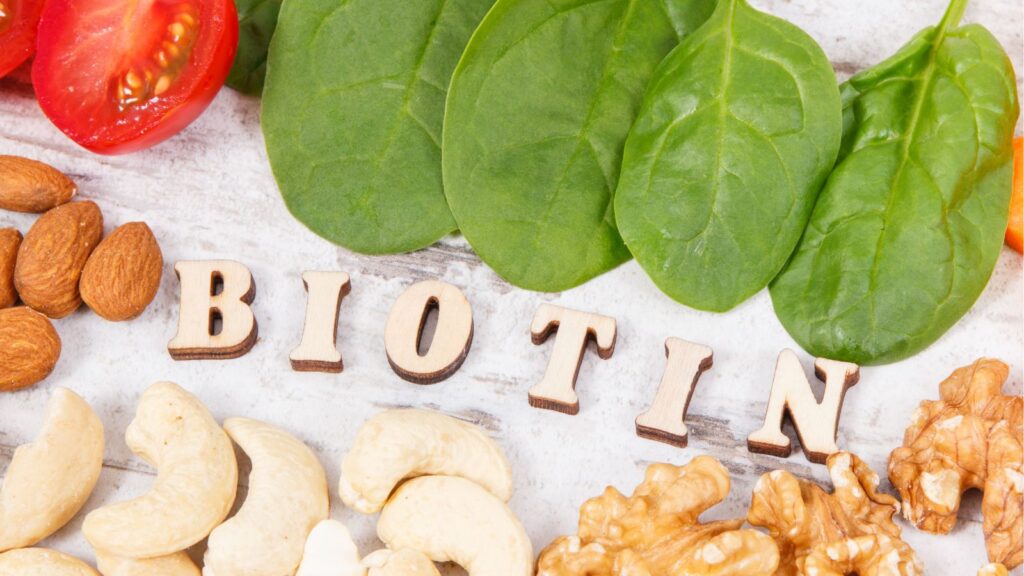
- Natural sources – Eggs, salmon, nuts, seeds, and leafy greens provide biotin naturally. A balanced diet often covers basic needs.
- Pair with other nutrients – For maximum results, biotin should be combined with other B vitamins, vitamin D, and minerals like zinc.
Common Misconceptions About Biotin
- “More biotin means faster hair growth” – Not true. Once your body has enough, extra won’t make hair grow at lightning speed.
- “It’s only about beauty” – Wrong. Biotin plays a serious role in nerve health, metabolism, and overall vitality.
- “Supplements replace a healthy diet” – Never. Supplements help, but real benefits come from combining them with nutrient-rich foods.
When to Consider Extra Biotin
Some women may need additional support:
- During pregnancy (with doctor supervision)
- After strict diets or vegan eating, which sometimes limit biotin intake
- If dealing with brittle nails, hair thinning, or skin issues
- For those training intensely and burning more energy daily
Final Thoughts
Biotin does not have a magic pill effect, but it is the backbone of the health, beauty, and performance of women. Be it healthy skin, intense exercises, or just wanting to remain on your toes all day long, you cannot ignore this vitamin. Maintaining a balance is the secret: eat what you are supposed to using whole foods, supplement well where necessary, and with it live a healthy life.
Quite simply, make biotin an investment in both look and strength. Wellness is more than about appearance; it is about being prepared to deal with any problems life may present.