
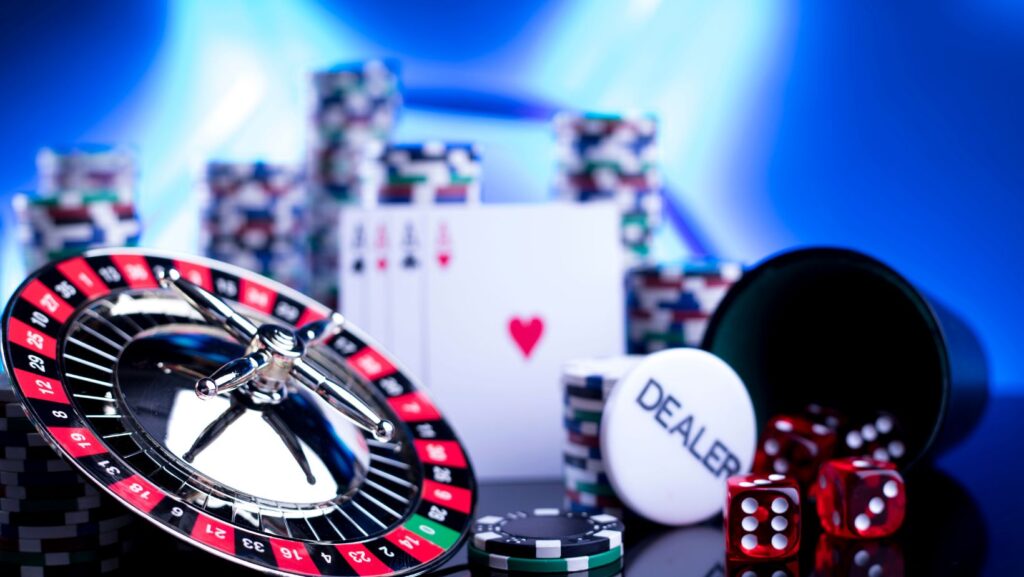
The bright lights and excitement of the casino floor can mesmerize anyone walking through it. However, behind the glitz and glamor lies cold, hard math powering the house advantage inherent across all casino games.
Understanding how this mathematical edge works provides insight into casino game design and clues for players looking to use strategy to overcome the odds. This article breaks down the house edge by game type and the math fueling it.
Dealer Advantage Through Drawing Rules
Blackjack holds a special allure for strategic players on such sites as casino SpinBet, since decisions during play can influence your odds against the house. However, the dealer still maintains an edge through drawing rules forcing them to stand on all 17s vs. the player hitting 16 or less.
Over millions of hands, this subtle difference gifts the house a 1-2% advantage before any other rules come into play. Advantageous rules like allowing doubling after splits or re-splits push the house edge below 0.5% in the best games. Adding multiple decks decreases player odds through reducing the chance of bonus payouts on naturals.
| Number of Decks | Hit or Stand on Soft 17 | Double After Split | House Edge |
| 1 | Stand | Yes | 0.40% |
| 6 | Hit | No | 1.60% |
| 8 | Stand | Yes | 0.60% |
While card counting can shift the advantage to skilled players in positive counts, most players face an uphill mathematical battle at the blackjack table.
Physics and the Inherent House Edge
Roulette provides no room for player decisions or skill to impact results spun from the iconic wheel. With only the green 0 and 00 slots out of 38 potential winning numbers, the house claims a 5.26% edge on all bets.
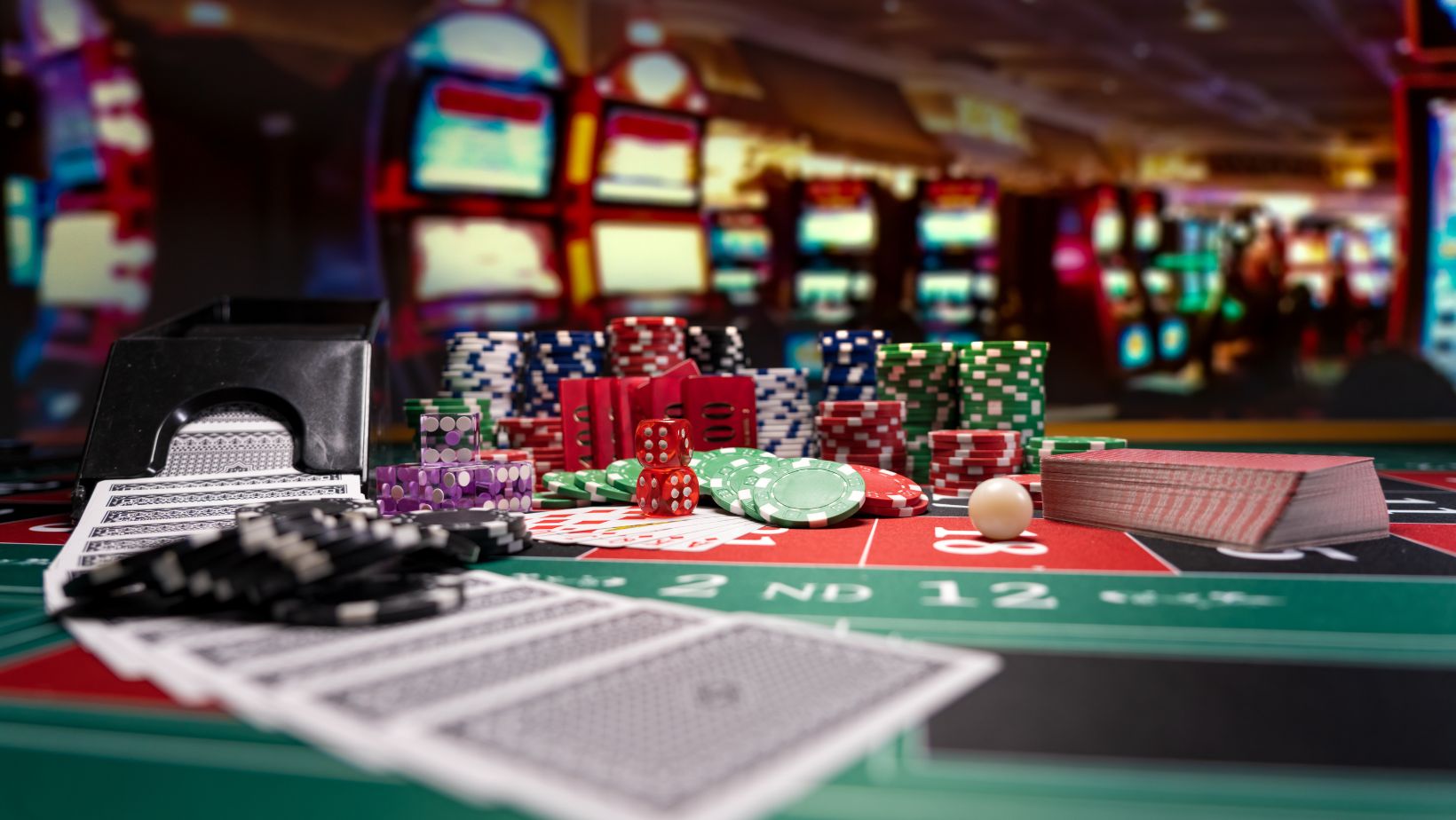
The laws of physics governing the bouncing ball as it drops determines every spin, not any number hitting more or less often. Over an infinite number of spins, the math guarantees the house a predictable advantage across all roulette bets.
Bets covering a wider range of numbers exhibit the same edge. The only difference comes in variance, with a straight number bet winning big but infrequently vs column or even/odd bets hitting more often for smaller payouts. In the end, the edge weighs exactly the same across them all.
RNGs and Return to Player Percentages
Slot machines employ Random Number Generators (RNGs) to determine reel stop positions randomly on every spin. Programmed reel weighting and symbol distribution builds in the mathematical house edge.
Published Return to Player (RTP) percentages reveal the house advantage, often ranging from 90% to 99%. If a slot advertises a 95% RTP, then for every $100 wagered, $95 will pay back out in winnings over the long run, leaving the casino with $5.
Some games allow skillful play, with optimal strategy increasing RTP. However, generally slots remain games of pure chance, with their edge unaffected by player decisions. Certain titles with wide variance can pay back over 100% for lucky players in the short run. Over time, the programmed RTP math will kick in to overcome short-term luck.
It’s All in the Numbers
Other popular casino games rely on similar mathematical principles to guarantee the house skims a portion of wagers during play. Craps provides some of the tightest odds, with house edges as low as 1.4% on basic pass/come bets with full odds backing them. The field bet by contrast hands the house a massive 13% edge.
Baccarat features a 1.24% house edge on the player bet and 1.06% on the bank. Tie bets are far worse proposition bets, granting the house a 14% edge. Poker generally sees the casino take a rake from pots and tournament entries. High liquidity means poker players play mainly against other players rather than the house.
Bottom Line
In the end, while short-term results come down to fortune in casino games, the mathematical house edge works relentlessly in the background to grind down players over time. Understanding how built-in advantages operate by design within game rules allows players to find options providing the most favorable odds and make informed decisions with their bankroll.
The house might not always win over small samples, but gamblers underestimate the raw power of math guiding outcomes at their peril. Evaluating games through an odds-based lens offers the clearest picture of what players face when tempting fortune inside glittering casinos where math quietly rules the floor.