
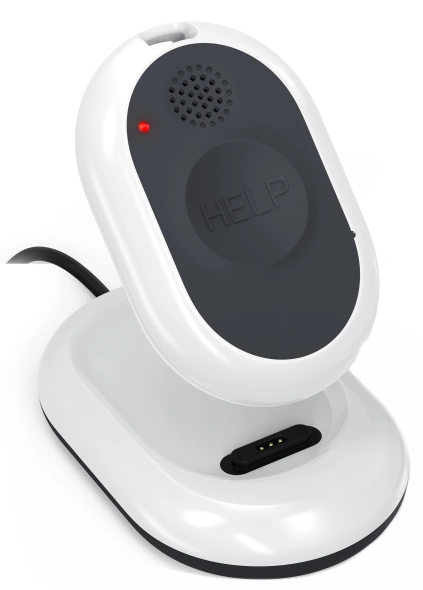
As old age sets in, people become more prone to injuries and this is why seniors are more likely to experience medical emergencies. Furthermore, they may not be adequately equipped to handle them if they occur.
That’s where an emergency medical alert system comes in.
The systems offer seniors 24/7 access to emergency services, no matter where you reside in the country. And their utility has been proven by the fact that more and more adults in the United States use medical alert systems for their safety and well-being.
Additionally, seniors equipped with a medical alert system are provided with a personal emergency contact so that their family can be alerted without delay in case of an emergency. This speaks in favor of medical alert systems in empowering users to maintain their independence while ensuring assistance is just a button away.
Explore more about the power of emergency medical alert systems in enhancing safety and well-being and promoting peace of mind for families in the article below.
1. Detecting Falls
According to the Centers for Disease Control and Prevention (CDC), one in four adults aged 65 years or older falls, leading to an estimated 3 million visits to the emergency room and 1 million hospitalizations yearly.
While you might think a medical alert device requires the senior to press a button if they fall, modern emergency medical alert systems automatically detect fall if the wearer has fallen. This feature is handy if the fall causes the older adult to lose consciousness, making them unable to press the help button.
In addition, fall detection technology will be beneficial if your loved one is living with dementia, since they may have difficulty remembering how to call for assistance or recognizing when they need help.
When the fall detection sensors are triggered, the gadget will automatically send an alert to the monitoring personnel, who then check on the user and evaluate whether they need help. The rapid response reduces the detrimental effects of a fall by dispatching the emergency response team if required.
Furthermore, if your older family member has a history of falls or is living with chronic medical conditions that predispose them to fainting or seizures, it’s time to get them a medical alert device with fall detection technology.

2. Are GPS-Enabled
Not long ago, using a medical alert system was typically only functional while the user was at home. That has since changed, and present-day devices provide wider ranges of coverage for people who are more active, with GPS location.
This feature allows families and operators to monitor the user’s whereabouts in and out of the house. As such, having a GPS-enabled medical alert device will bring you peace of mind, especially if you’re concerned about falling or a medical emergency when you’re hiking, shopping, or exploring a new part of your town.
3. Seamless Communication Between Family and Caregiver
As a family looking to buy an emergency medical alert device for your senior, make sure to find one that comes with free companion app access. Doing so ensures that you can communicate with the caregivers in real time as you track your loved one’s location and status. In addition, you can use the app to check whether the senior has been following their routine and get alerts of any unusual activity.
In the event of a fall or emergency, the system will alert the designated caregivers through a push notification and activate a follow-up call to keep them updated on the situation.
This two-way communication keeps the whole care team informed and updated, which is particularly valuable if you live far away from your loved ones or when traveling.

4. 24/7 Emergency Monitoring Provides Constant Reassurance
One of the most significant advantages of emergency medical alert systems is round-the-clock professional monitoring. Families can rest easy knowing that trained emergency response personnel are available at all times—even during holidays, weekends, or in the middle of the night.
Whether it’s a minor issue like dizziness, shortness of breath, or a more serious medical emergency such as chest pain or a fall, help is just seconds away with the push of a button. Operators are trained to assess the situation quickly and dispatch the appropriate assistance, whether that’s paramedics, a family member, or both.
This continuous safety net reduces anxiety for both seniors and their families, allowing them to go about their daily lives with more confidence and peace of mind, knowing that help is always standing by.
5. Encourages Independent Living with a Safety Net
Many older adults fear losing their independence more than anything else. Emergency alert systems bridge the gap between safety and autonomy, giving seniors the freedom to live on their own while still having immediate access to help when needed.
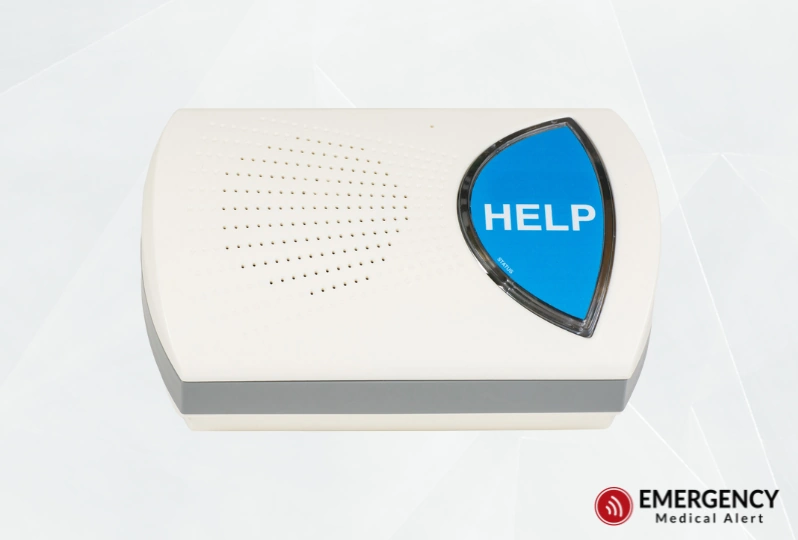
This balance is invaluable to families who want to support their loved one’s desire for autonomy, while also ensuring that help is available in case of an emergency. The knowledge that seniors are safe—even when they’re alone—offers immense peace of mind to families.
Final Thoughts
Emergency medical alert systems are far more than wearable gadgets—they are potent tools that safeguard lives and provide emotional reassurance to families. From automatic fall detection and GPS tracking to 24/7 emergency monitoring and seamless communication, these systems help bridge the gap between independence and safety.
As seniors continue to embrace active lifestyles and aging in place becomes more common, these technologies offer families a dependable, effective way to stay connected and confident in their loved one’s well-being, no matter the distance.