

Choosing an orthopedic doctor is more than just picking a name from a list. If you’re dealing with a sore knee, a stiff shoulder, or a more serious injury, the doctor you see can shape your entire recovery.
With so many choices out there, it’s easy to feel overwhelmed. But with a little direction, you can find someone who understands your condition, listens to your concerns, and helps you move forward with confidence.
In this article, we’ll walk you through what to look out for and how to make a choice that suits your needs and lifestyle.
What Should You Look for in an Orthopaedic Doctor?
You should look for an orthopaedic doctor with the appropriate qualifications, experience, and clinical focus that aligns with your condition.
Orthopaedics is a broad specialty covering everything from sports injuries and joint replacements to spinal disorders and pediatric musculoskeletal issues. Start by checking:
1. Professional Credentials
Look for board certification and registration with a recognized medical authority in your country. This ensures the doctor meets established standards of training and practice.
2. Sub-specialisation
Many orthopedic doctors concentrate on specific areas, such as hip and knee surgery, hand and wrist conditions, or sports-related injuries. If you already have a diagnosis or know what part of your body needs treatment, seek out someone with experience in that area.
3. Training and Fellowship Experience
Additional fellowship training, especially in well-regarded centers or hospitals, often indicates advanced skills and a deeper focus on a particular subspecialty. This can be especially helpful for more complex cases or surgical procedures.
How Important Is Experience with Your Specific Condition?

Experience with your specific condition can make a meaningful difference in the quality of care you receive. Doctors who regularly treat a particular issue are often more familiar with its variations, potential complications, and the latest treatment approaches.
For example, if you have an ACL tear, a doctor who routinely manages sports injuries and performs ACL reconstructions is more likely to understand both the surgical details and the rehabilitation process that follows.
It’s entirely appropriate to ask how frequently the doctor sees cases like yours and what treatment options they typically recommend. This can help you gauge whether their expertise aligns with your needs.
Should You Prioritise Referrals and Feedback?
Referrals and reviews can be helpful, but they should not be your only guide. A recommendation from a general practitioner, physiotherapist, or friend with a similar condition is a good starting point.
Online reviews may reveal patterns, such as clear communication or long wait times, but remember that personal fit varies.
Instead of relying on ratings alone, focus on detailed feedback. Comments about whether the doctor listened, explained things clearly, and supported recovery can give you a better sense of what to expect.
Should You Consider the Clinic Environment and Support Team?
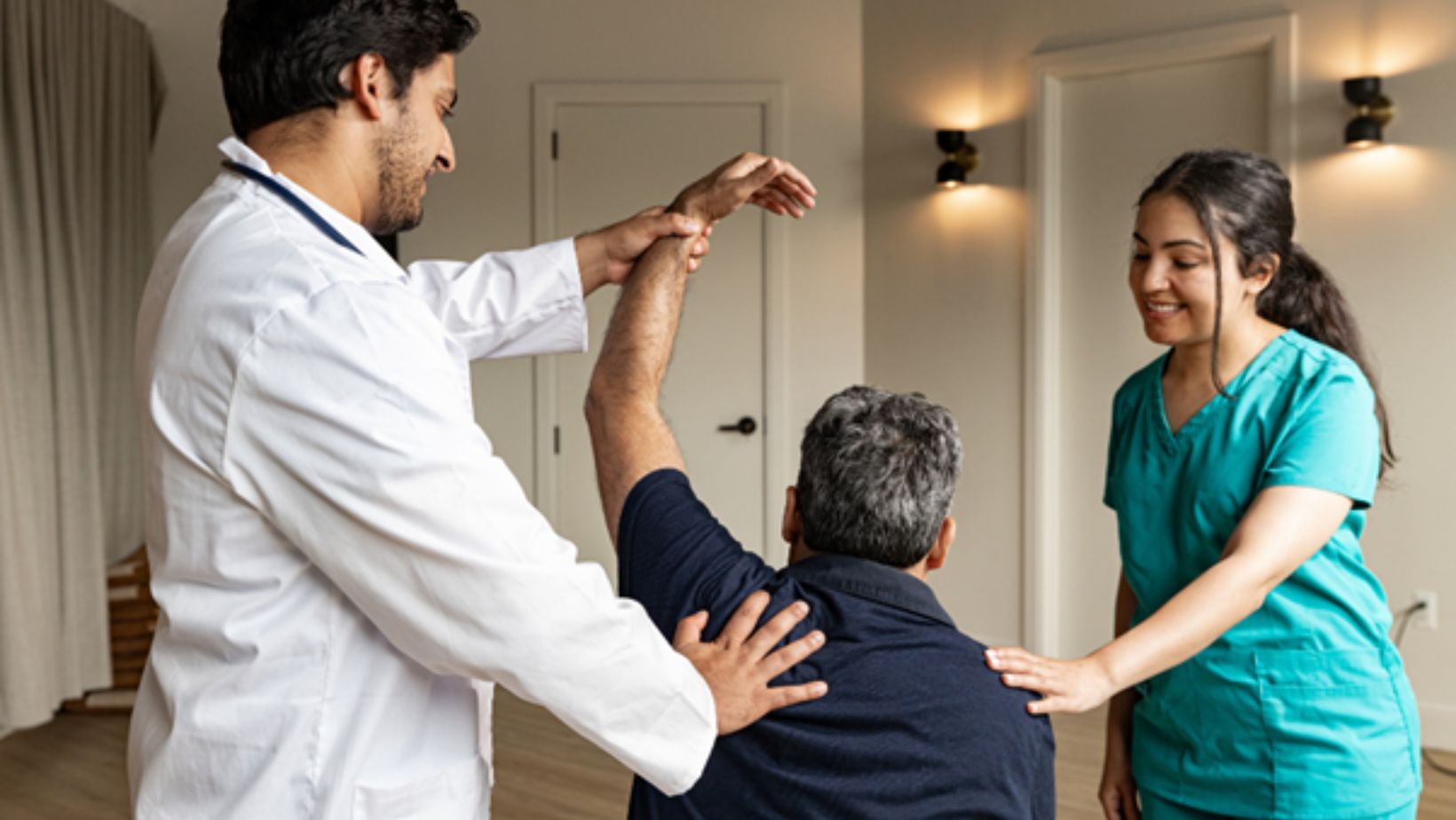
Yes, the clinic environment and the support team can have a real impact on your care and recovery. Orthopedic treatment often involves more than just seeing the doctor, so it helps to have a well-coordinated setup.
Look for a clinic that offers:
- Efficient administrative support for appointments, records, and follow-ups
- Access to allied health services like physiotherapy and imaging, ideally in-house or nearby
- Clear continuity of care with structured plans for post-treatment or rehabilitation
How Do Location and Accessibility Affect Your Choice?
Location and accessibility can make a big difference, especially if your treatment involves regular follow-ups or physiotherapy. A conveniently located clinic can help you stay consistent with appointments and reduce the stress of travel.
Consider practical factors such as:
- Travel time to and from the clinic
- Availability of parking or public transport
- Clinic hours that fit your daily schedule
Choosing a clinic that is easy to reach can make your recovery smoother and more manageable.
Summary: Why a Personal Fit Matters When Choosing an Orthopedic Doctor
Choosing the right orthopaedic doctor is a personal decision. Everyone has different needs, preferences, and recovery goals. For some people, clear communication and a patient-centered approach are the most important part of the experience. Feeling heard, understood, and involved in your care can make a real difference in how confident and supported you feel throughout treatment.
While factors like location, reviews, and clinic setup are important, the best way to know if a doctor is right for you is to attend a consultation. This gives you the chance to ask questions, understand their approach, and decide if they are a good match for your care.