

If you’ve been doing Pilates for a while, you’ve probably felt that amazing burn in your core and the deep muscle activation that traditional workouts can’t match. But maybe lately, your routine feels a little too predictable. You’re still showing up for your sessions, but the results just aren’t as noticeable as they used to be.
That’s a common issue for anyone following the same fitness method over time: you hit a plateau. The good news is, Pilates has evolved. There’s a new level of core training that’s more intense, more efficient, and (believe it or not) still low-impact.
If you want to break through stagnation, boost your strength, and get more from every workout, it’s time to rethink what Pilates can be.
Discover the Power of High-Intensity Core Workouts
A strong core does more than define your abs. It supports posture, protects your spine, and helps you move better in everyday life. But if you’re doing the same exercises again and again, your muscles get used to them. You stop getting sore, and your progress slows down. To keep improving, you need to challenge your core with dynamic, high-intensity movement.
That’s where the next generation of core training comes in. Lagree-style workouts, for example, combine slow, controlled movements with constant tension and minimal rest. They’re designed to push your muscles to their limit—and then just a little further. This style of training torches calories, strengthens your deep core muscles, and improves muscular endurance.
You’ll also feel the difference in how your body responds. Instead of just targeting your abs, you’ll activate your entire trunk: obliques, back, glutes, and everything in between. This leads to more functional strength, which means better balance, fewer injuries, and greater control in both fitness and everyday life.
Embrace the Evolution of Pilates Equipment
Traditional Pilates reformers are effective, but they weren’t built for high-intensity training. As Pilates has grown and blended with other fitness modalities, the equipment has had to evolve too. That evolution has led to machines that support more dynamic, demanding workouts while still protecting your joints.
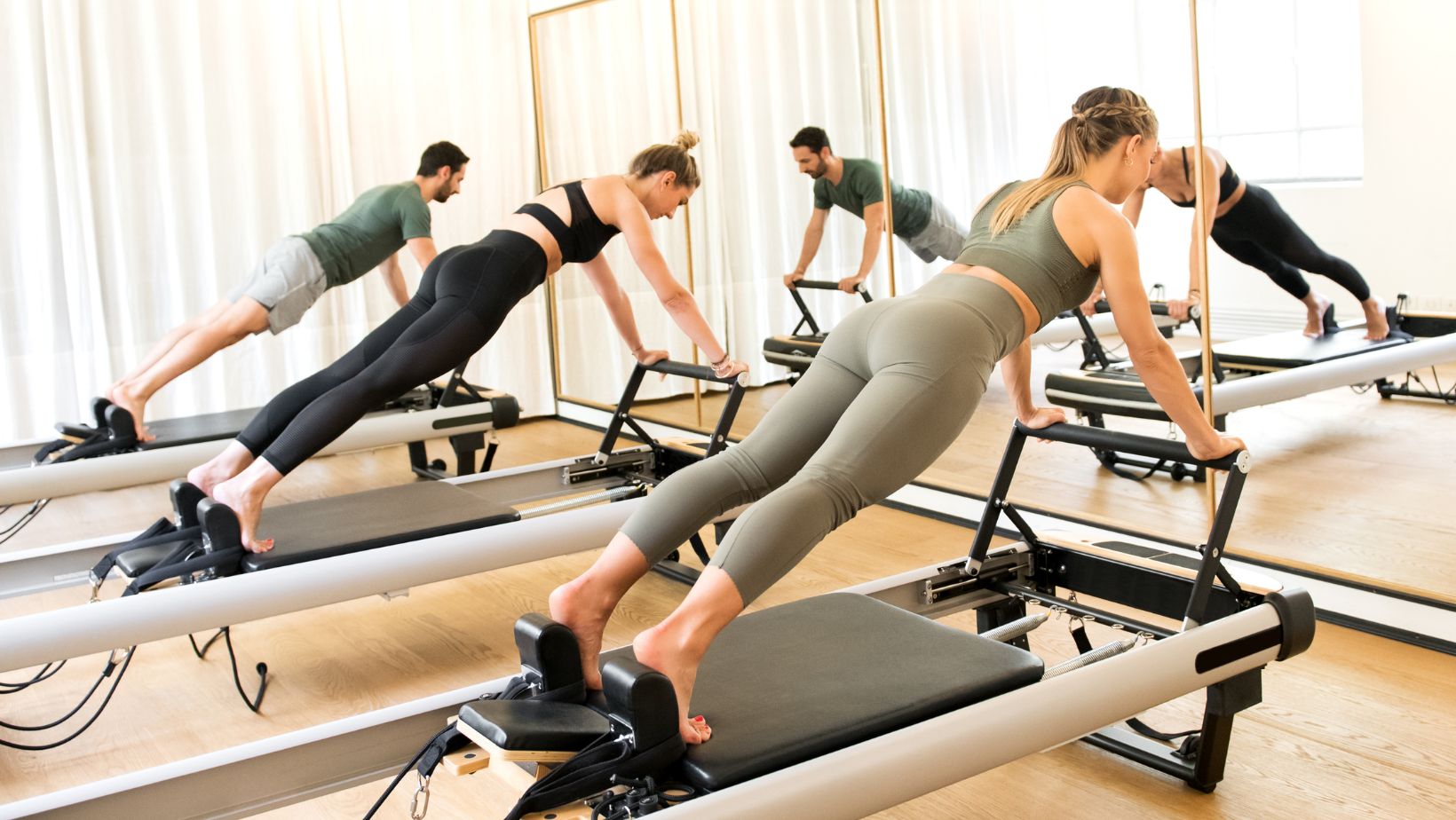
These upgraded machines often feature smoother transitions, adjustable resistance, and a design that allows for a broader range of movement. You’re not just lying down and doing leg circles anymore, you’re lunging, planking, pulsing, twisting, and holding positions that require total-body focus.
If you’ve ever felt limited by what your reformer could do, or wished you could move a little faster or harder, modern machines solve that. They let you go deeper into movements, add variety to your routines, and create tension exactly where you need it. The Sculptformer, for instance, is a more affordable Megaformer alternative that bridges the gap between reformer Pilates and Lagree-style intensity. It offers a studio-grade design that works for both high-traffic studios and compact home gyms, giving you more freedom to push your training further.
Experience Lagree-style Training at Home
Going to a studio every time you want a solid core workout isn’t always practical. Maybe you’re juggling a busy schedule, or maybe you just prefer the flexibility of training on your own time. That’s why bringing this next-level training into your home can be a game-changer.
You don’t need a massive space or a complicated setup. What matters most is having access to a system that supports slow, controlled resistance and allows for full-body engagement. Machines like the Sculptformer were created with that in mind. They take the high-intensity principles of Lagree training (continuous tension, muscle-shaking holds, and compound movement) and make them accessible at home.
You can train whenever it fits your day. And because the equipment is designed for adaptability, you can modify movements or resistance based on how your body feels. Want to target your core and glutes today, then go harder on the upper body tomorrow? No problem. That versatility makes it easier to stay consistent and motivated over time.
Maximize Core Strength with Minimal Impact
One of the biggest misconceptions about intensity is that it always means high impact. In reality, you can achieve both intensity and joint safety if your training is designed correctly. That’s the beauty of evolved Pilates. It gives you deep, muscle-sculpting tension without pounding your knees or wrists into the ground.
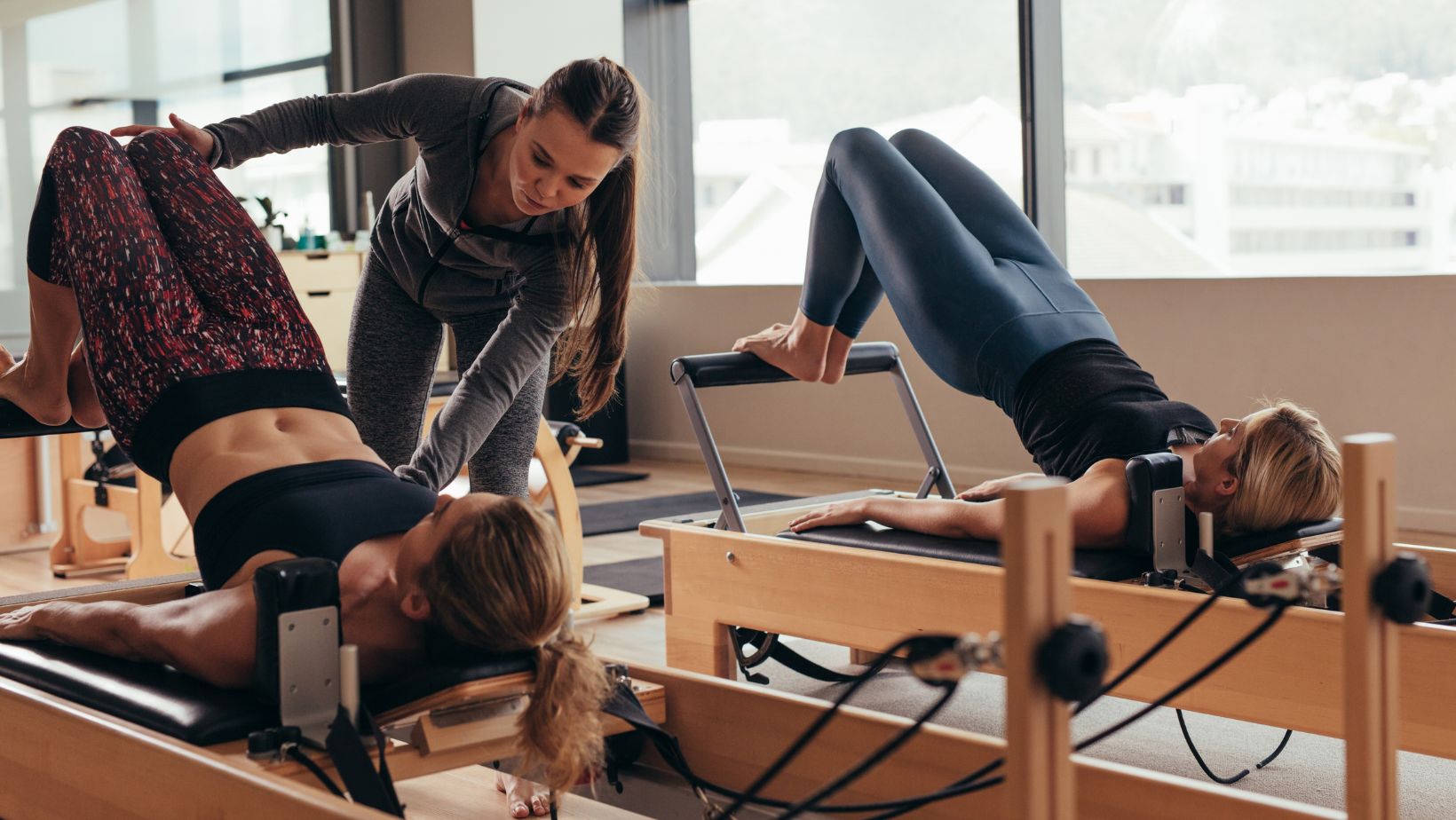
Because the movements are controlled and intentional, you’re building strength through resistance and duration, not force. The slow tempo forces your muscles to stay under tension for longer, which creates more fatigue in less time. And since you’re not bouncing or jerking through reps, there’s far less strain on your joints and connective tissue.
This makes next-level core training ideal if you’ve ever dealt with injury, soreness, or just want to be kinder to your body as you age. You’re still working hard, but in a way that supports long-term strength, mobility, and recovery.
The real win? You walk away from a session feeling strong and energized, not drained or achy. That means you’re more likely to come back, keep pushing, and see consistent results.
Achieve Better Results with Improved Resistance
Not all resistance is created equal. Some equipment offers resistance that kicks in too late or too unevenly, making it hard to really isolate the muscles you want to work. But newer machines have solved that problem with smoother, more customizable resistance settings.
This matters for core training because the muscles in your trunk respond best to sustained tension, not quick bursts. When you can fine-tune the load and tempo, you’re better able to stay in the “challenge zone” where real change happens. That means deeper activation, better alignment, and more effective sessions.
With machines like the Sculptformer, you’re not stuck with preset levels that don’t quite match your strength. You get control over the tension you apply, allowing you to gradually increase difficulty as you improve. That leads to faster gains in strength and endurance, without sacrificing form or safety.
Even if you’re used to mat Pilates or bodyweight core workouts, adding resistance can completely change the game. You’ll feel your muscles engage in new ways, hold positions longer, and build stamina that carries into everything else you do, from lifting groceries to running, dancing, or playing sports.
So if your Pilates routine has started to feel stale, or if you’re ready to take your core strength to the next level, it might be time to upgrade more than just your workout. It might be time to upgrade how you think about Pilates entirely.