

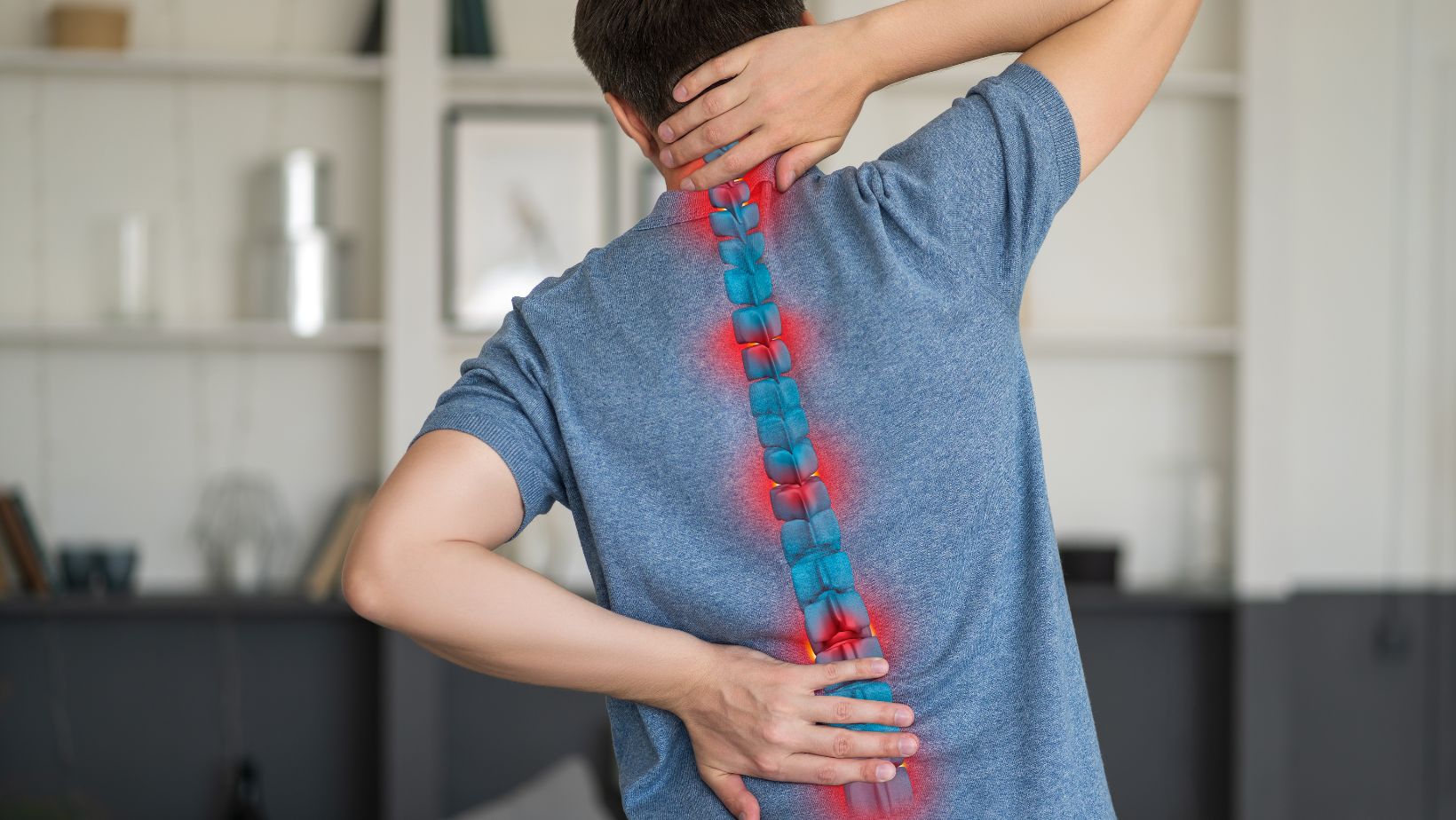
Spinal stenosis is a condition that can quietly diminish your mobility, comfort, and overall quality of life. Caused by a narrowing of the spinal canal, spinal stenosis places pressure on the nerves traveling through the spine, most often in the lower back or neck. This pressure can lead to persistent pain, weakness, numbness, and difficulty walking or standing for long periods. The good news? With the right approach, there are several effective treatments that can relieve symptoms and help restore your ability to move freely again.
Let’s explore the most reliable methods to treat spinal stenosis and take back your mobility and comfort.
Recognizing the Symptoms and Getting a Diagnosis
Before exploring spinal stenosis treatment options, it’s essential to recognize the signs that something may be wrong. Common symptoms include chronic lower back pain, numbness or tingling in the legs, weakness, or difficulty walking for extended periods. Some people also report a feeling of heaviness in the legs or pain that improves when bending forward or sitting down.
These symptoms often progress slowly over time, making it easy to dismiss them as simple aging or fatigue. However, when they begin to interfere with daily activities or worsen with time, it’s crucial to consult a healthcare provider.
Diagnosis typically involves a combination of a physical exam and imaging tests like X-rays, MRIs, or CT scans. These tools help identify the exact location and severity of the spinal narrowing, allowing doctors to recommend the best treatment plan for your specific needs.
Non-Surgical Treatment Options
In many cases, non-surgical therapies are effective in managing symptoms and improving mobility. One of the most beneficial approaches is physical therapy, which focuses on strengthening the muscles that support the spine, improving flexibility, and enhancing posture. These targeted exercises can relieve pressure on affected nerves and help you move more comfortably.
Medications are also commonly used, including nonsteroidal anti-inflammatory drugs (NSAIDs), muscle relaxants, or medications designed to manage nerve pain. These can provide temporary relief while other treatments take effect.
Epidural steroid injections are another option for more intense symptom management. These injections deliver anti-inflammatory medication directly to the affected area, reducing swelling and nerve irritation.
All of these options aim to reduce pain, improve movement, and delay or prevent the need for surgical intervention.
Lifestyle and Home-Based Strategies
For many individuals, simple lifestyle changes can have a significant impact. Maintaining a healthy weight, for example, can reduce strain on the spine. Regular, low-impact exercises such as walking, swimming, or yoga can improve flexibility and muscle tone without putting stress on the back.

Ergonomic adjustments at home or work, such as proper chair support or better lifting techniques, can prevent further irritation of the spine. Some people may also benefit from assistive devices like canes or walkers to ease pressure during movement and improve balance.
The goal here is to create daily habits that support spinal health and reduce the risk of symptom flare-ups.
When Surgery Becomes the Best Option
While non-invasive methods work for many, some individuals experience worsening symptoms despite conservative care. In these cases, surgery may be the best option to relieve pressure on the spinal cord or nerves.
One common procedure is a laminectomy, where the surgeon removes part of the vertebra to create more space for the nerves. In cases of spinal instability, spinal fusion may be recommended to permanently connect two or more vertebrae.
Thanks to advancements in medical technology, minimally invasive surgery has become more common, offering shorter recovery times and less post-operative discomfort.
Surgical outcomes for spinal stenosis are generally positive, especially for patients who were experiencing leg pain, numbness, or trouble walking before the operation.
Post-Treatment Recovery and Long-Term Management
Whether your treatment involves physical therapy, injections, or surgery, recovery and maintenance are key. A structured rehabilitation program can strengthen weakened muscles, restore flexibility, and prevent further issues.
It’s also important to maintain healthy habits staying active, practicing good posture, and continuing appropriate exercises as recommended by your care team. Long-term follow-up with your physician ensures you stay on track and can adjust your care plan as needed.
With patience and consistency, many people experience long-lasting relief and an improved quality of life.
Reclaiming Comfort and Confidence in Motion
Spinal stenosis doesn’t have to control your life. Whether through physical therapy, injections, lifestyle adjustments, or surgical care, there are proven treatments that can help you move more freely and with less pain. The key is working with your healthcare provider to create a plan tailored to your condition and goals. With consistency and the right support, many people regain strength, reduce discomfort, and return to the activities they love.