
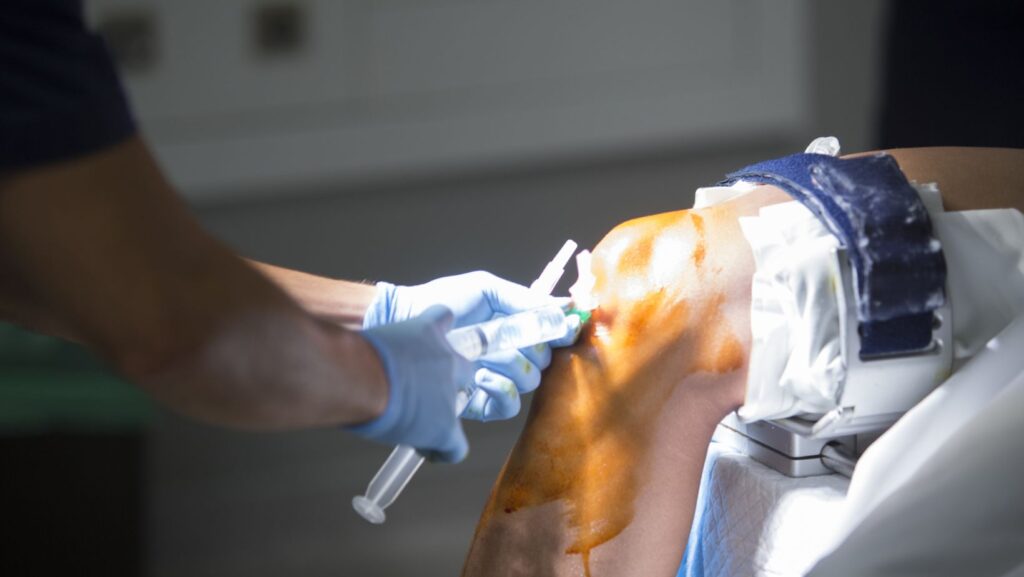
Orthopaedic specialists are medical professionals who diagnose and treat conditions related to bones, joints, muscles, and ligaments. They specialize on improving mobility and relieving pain caused by injuries or diseases. Their expertise includes managing fractures, arthritis, sports injuries, and degenerative disorders. See more: https://www.coveorthopaedics.com.sg/
In Singapore, orthopaedic specialists provide consultations, perform diagnostic tests, and carry out surgeries if needed. While their primary focus is musculoskeletal issues, some conditions they treat may overlap with more serious illnesses, like cancer. This raises an important question: Can orthopaedic specialists diagnose cancer? The answer is complex and depends on the type of cancer and its symptoms. Stay on this page for the answer.
Can Orthopaedic Specialists Diagnose Cancer?
Orthopaedic specialists primarily deal with musculoskeletal conditions. However, they may come across signs of cancer during their assessments.
Bone cancer, for instance, can present as pain or swelling in the bones. Soft tissue sarcomas, another type of cancer, may appear as lumps near joints or muscles.
To identify cancer, orthopaedic specialists use various methods which allow them to evaluate symptoms. Key among the most used approaches include:
- Medical History and Physical Examination: This is usually the first thing to happen when you visit an orthopaedic specialist in Singapore. The specialist will ask about pain, swelling, or unusual lumps. They will also check for changes in mobility and signs of inflammation.
- Imaging Tests: For imaging tests, your orthopaedic specialist in Singapore may recommend imaging tests or MRI and CT scans. X-rays reveal abnormalities in bones or joints. MRI and CT scans provide detailed views of soft tissues and detect tumors.
- Biopsy Referrals: If imaging suggests cancer, your orthopaedic specialist in Singapore may refer you for a biopsy. A biopsy, in this case, would involve taking a small sample of tissue from the area suspected of having cancer to be examined under a microscope. A biopsy confirms whether the abnormality is cancerous.
When Should You Suspect Cancer?
Cancer is a serious condition and nobody wants to imagine getting it. However, several factors put us at risk of cancer, some of which are way beyond our control. If you suspect cancer, here are some symptoms you may want to take note of and share with your provider;
- Persistent bone pain, especially at night.
- Swelling or a growing lump.
- Unexplained weight loss or fatigue.
Please note that these symptoms don’t always indicate cancer. However, they’re worth evaluating by a specialist especially if you live with risk factors of cancer like a family history of the disease, for example.
Which are the Types of Cancers Orthopaedic Specialists May Diagnose
First things first, your orthopaedic specialist in Singapore is not an oncologist. However, they may be able to identify signs of cancer during their practice. Below are the types of cancers they might diagnose:
- Bone Cancer: Bone cancer originates in the bones and includes osteosarcoma and Ewing sarcoma. Symptoms include pain, swelling, and reduced mobility. Y

our orthopaedic specialist in Singapore may detect these through X-rays and refer you to an oncologist for further care.
- Soft Tissue Sarcomas: These cancers develop in muscles, tendons, or ligaments. They may appear as painless lumps that grow over time. Through the MRI scans your orthopaedic specialist offers, they may be able to identify suspicious masses.
- Metastatic Bone Disease: Cancers like breast, lung, or prostate cancer can spread to bones. This spread may cause fractures, pain, and instability. A knowledgeable orthopaedic specialist can help manage these complications and work you’re your oncologists for treatment.
- Multiple Myeloma: This cancer affects the bone marrow and weakens bones. Symptoms include fractures, back pain, and fatigue. Blood tests and imaging help specialists detect this condition.
What is the Diagnostic Process for Cancer in Orthopaedic Practice?
The typical diagnostic process for cancer in orthopaedic practice involves several steps to ensure accurate identification. When you first step into the clinic, the specialist will record your medical history. They will particularly pay attention to symptoms like pain, swelling, or unexplained lumps. The affected area is inspected for abnormalities.
During these inspections, they will be keenly checking for tenderness, swelling, or reduced range of motion. X-rays are often the first step in diagnosing bone-related issues.
For detailed insights, your orthopaedic specialist in Singapore may turn to advanced imaging like MRI or CT scans. Keep in mind that orthopaedic specialists are not oncologists. That said, if cancer is suspected, the specialist will refer you to an oncologist. The oncologist may order for a biopsy to confirm the diagnosis and determine the cancer type. After diagnosis, your orthopaedic specialist in Singapore will proceed to work with your oncologists to help you get comprehensive care. They will be heavily involved in managing fractures, pain, or mobility issues caused by cancer.
What Happens if Cancer Is Ignored?
Missing a cancer diagnosis can have serious consequences. If cancer is overlooked, the disease may progress and spread to other parts of the body. This reduces treatment options and affects survival rates. For example, untreated bone cancer can weaken bones and significantly increase your risks of suffering fractures.

Metastatic bone disease may cause severe pain and instability and soft tissue sarcomas, if not addressed early, can grow and invade nearby tissues. While your orthopaedic specialist in Singapore doesn’t treat cancer directly, their assessments often provide the first clues.
What Should You Do If You Suspect Cancer?
If you experience symptoms like persistent pain or swelling, consult an orthopaedic specialist. They can assess your condition and recommend further tests. Early diagnosis improves outcomes and ensures timely treatment.
In Singapore, there are many skilled orthopaedic specialists available. So, it shouldn’t be difficult to find a provider who can help. To ensure efficiency, choose a clinic with experienced professionals who use advanced diagnostic tools. This ensures accurate evaluations and appropriate referrals if needed.
It’s a Wrap!
While the primary role of orthopaedic specialists isn’t to treat cancer, they can identify early signs of the disease. Using imaging tests and physical assessments, they detect abnormalities and refer patients for further evaluation.
If you’re experiencing symptoms like persistent pain, swelling, or unusual lumps, don’t ignore them. Consult an orthopaedic specialist for proper evaluation and timely referrals.
Are you currently looking for expert orthopaedic care in Singapore? Visit our clinic today for professional diagnosis and treatment. Call or visit us at;
Cove Orthopaedic Clinic @ Mount Elizabeth Orchard – Orthopaedic Surgeon Singapore
3 Mount Elizabeth, #14-13 Medical Centre, Singapore 228510