

A birth injury changes the course of a child’s life, but it also reshapes the entire future of the parents. The joy of welcoming a new life shifts quickly into years of emotional weight, financial strain, and disrupted dreams. Every decision, every routine, and every long-term plan adjusts to meet the needs created in that delivery room.
Parents often enter this new reality with little preparation and even fewer answers. Many families hire experienced lawyers from ABC Law Centers to seek compensation that aligns with the full impact of the injury, not just the present pain but also the lifelong cost.
This post reveals the long-term losses parents face after a birth injury and why early legal action shapes the future.
Long-Term Medical Expenses
Parents face mounting medical bills long after the delivery room incident. Birth injuries often require multiple surgeries, hospital stays, and ongoing treatments. Children with cerebral palsy, brachial plexus injuries, or brain damage need frequent visits to specialists.
Physical, speech, or occupational therapy sessions stretch into the child’s teenage years or beyond. These expenses do not fade.
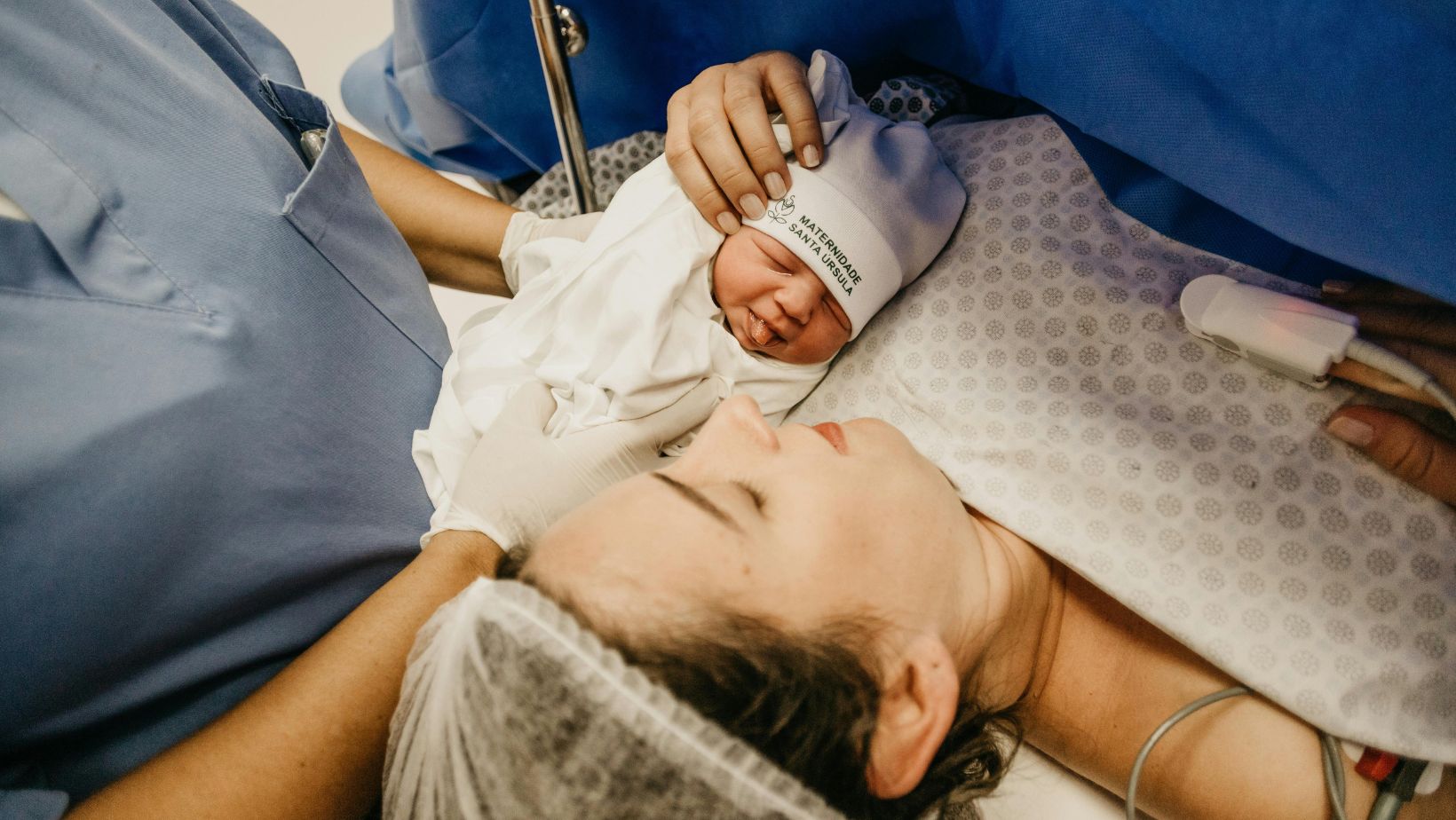
They grow year after year, placing financial pressure on the entire household.
Home and Vehicle Modifications
A severe birth injury may limit a child’s mobility. Parents must often modify their living space to meet accessibility needs. These upgrades include wheelchair ramps, widened doorways, stair lifts, and special bathroom fixtures. Vehicle changes follow soon after.
Families invest in vans with lifts, specialized seating, or driving aids. Each change comes at a high cost and often falls outside standard insurance coverage.
Loss of Parental Income
Caring for a child with special needs demands time. One parent may reduce work hours or leave a job to provide full-time care. This loss of income creates financial strain and disrupts career paths. Some parents miss promotions or lose access to retirement benefits. The longer the care continues, the more profound the impact on lifetime earnings and future stability.
Emotional and Mental Health Strain
The emotional weight of raising a child affected by a birth injury touches every part of a parent’s life. Constant worry, lack of sleep, and feelings of guilt or helplessness affect mental health. Some parents face depression or anxiety.

Marriages suffer, and siblings may feel neglected. These emotional burdens create long-term strain and impact family relationships. Support from counselors or therapists helps, but it often brings new expenses.
Educational and Support Needs
Many children with birth injuries require special education services. When public resources fall short, parents often fight to secure Individualized Education Programs (IEPs), assistive technology, or private schooling.ollege or family goals.
Future Loss
Advocacy takes time. Legal action may become necessary to secure fair treatment in school systems. These battles steal attention from work, family, and personal well-being. They also drain savings meant for c of Independence
Parents think about the future long after their child reaches adulthood. A severe injury may prevent the child from living alone, earning income, or managing daily life independently. Parents often wonder who will care for their children after they pass away.
This worry pushes many to seek long-term guardianship, set up special needs trusts, or pay for assisted living. The planning never ends, and the costs grow with time.
In summary, birth injuries leave more than physical scars. They carve new paths for parents, paths marked with sacrifice, uncertainty, and lifelong commitment.