

Europe’s most beautiful mountain range, the Dolomites, is the perfect place for nature enthusiasts and trekkers to live an active life and to travel. Glass lakes and summit accessibility are its beauty, with dense scenery. The Dolomites are ideal for people who desire to incorporate travel into their schedule but not at the expense of any activity.
At whatever age, be you an old-timer or merely one who likes to venture out and have a gander, hut-to-hut walking in the Dolomites is an excellent manner by which you are able to explore such fantastic mountains and keep yourself fit yet still bask in the serenity and wonder of the region.
Integrating exercise into everyday commutes must not be frightening. Sometimes, it is a journey with the mind at peace, idle hours, and imposed contact with nature. Dolomites hiking ranks among the finest of them with the ability to discover decent paths without turning sick or energy-worn. Dolomites hiking is the greatest factor by which one acquires the chance to use its benefit without being drained.
1. Try Hut-to-Hut Trekking for Active Discovery
The most wonderful way to live through the Dolomites, perhaps, is hut-to-hut trekking, resting in pleasant mountain refuges, or rifugi, after a day’s climb. Tucked along some of the Dolomites hut-to-hut hiking routes, the refuges offer an in-bivouac living room in which to recuperate, warm bucketfuls of steaming food, commiserate with other climbers, and snuggle up next to the mountains.
Alta Via 1 and Alta Via 2 are two of the most crowded hut-to-hut trekking paths of the Dolomites and give visitors a chance to walk 150 to 160 kilometers of strenuous paths within 10 to 12 days. Trekkers can maintain a normal physical schedule, where each day of trekking will act as their normal physical exercise. If you just continue walking on these older trails, not only will you remain active but also feel good every day about accomplishing part of the hike.
2. Integrate Hiking with Light Exercise as Part of Your Daily Routine
While rifugio-to-rifugio hiking is the most challenging exercise, it’s also a great time to add some easy training that stretches and augments your program. Spend a couple of minutes per stopover rifugio to stretch and do mobility exercises.
Thin air found in mountain environments at Dolomites’ highlands is ideal for breathing exercises and yoga stretching, enhancing recovery and flexibility.
For example, if you are relaxing in a rifugio after climbing all day, then take some minutes and gradually stretch and untense tense muscles.
Stretch out the hamstrings, calf muscles, and lower backs because these are the most used sets of hiker muscles. A couple of sets of squats or lunges will do wonders for it. This exercise not only recovers but also makes your body ready for the latter half of your trip. Such mini-exercises can simply be added into your tour itinerary, allowing you to experience the body benefits of your trekking tour.
3. Organize Day Hikes and Loops to Create a Flexible Itinerary
If you don’t object to merely going to find a day hike of such sub-spectacular caliber, well, things being what they are, there just so happen to be a reasonable number of Dolomites day hikes that might suit your holiday tempo.
Every single trail goes past two or several rifugi, and your capacity to take in more beauty at ground level is not banked up for an entire multi-day course. The Tre Cime di Lavaredo Loop or Seceda Loop offer trekking excursions in order to be able to witness grandeur and achieve awe-inspiring ascents in a matter of days.
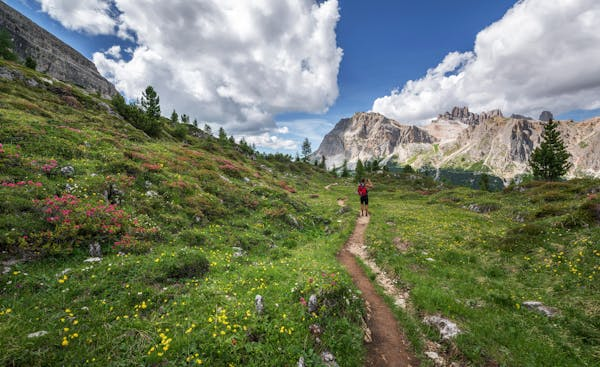
If you are attempting consecutive short day treks and returning to home base each evening, you can organize an intriguing holiday itinerary and keep yourself busy without being committed to finishing a multi-day trek. These trips also give you the flexibility to spend your time sightseeing and fit in some walking into your daily routine.
These are all categories of trails that are variable by any level of fitness, so you may add the intensity of difficulty slowly step by step, as your endurance and strength get stronger.
4. Active Rest Days and Scenic Hikes
You don’t have to hike daily. You need active rest days so you won’t burn out all your energy and get burned out.
- There is some cultural sightseeing, villages and old towns walking, and the opportunity to do other activities depending on your hiking schedule in villages and towns like Ortisei, Cortina d’Ampezzo, and Canazei in the Dolomite mountains.
- On rest days, you can keep moving with non-weight-bearing sports like swimming, cycling, or visiting nearby towns.
- These days can also be worth it in enjoying the stunning mountain lakes or a via ferrata excursion.
- Fixed rope trails, or via ferrata trails, climbing cables and ladders are the passion of the Dolomites and blend exercise and adventure with a very safe experience, provided that you have the proper equipment.
5. Essential Eats for Your Active Adventure
Being on the move away from home is not exercise; it’s also having the means to fuel your body the proper way. On a hut-to-hut trekking tour in the Dolomites, you’ll be consuming a lot of good, healthy food at every rifugio where you dine to recharge your batteries.
Regional specialty foods, including polenta, speck, and mountain cheese, are found in most of the huts, all healthy food to replenish energy levels at the end of a day trekking in the hills.
Don’t forget to drink, as well. Dry mountain air will dehydrate you quicker than you even know, so drink lots of water during the day. Carry a hydration pack or water bottle with convenient access to water on the trail.
Carry light snacks like energy bars or nuts to give an instant energy boost when trekking.
6. Psychological Advantages of Walking in the Dolomites
Being active abroad is great for the mind. The Dolomites are more than a playground for the body but a clearinghouse for the mind and stress release as well.
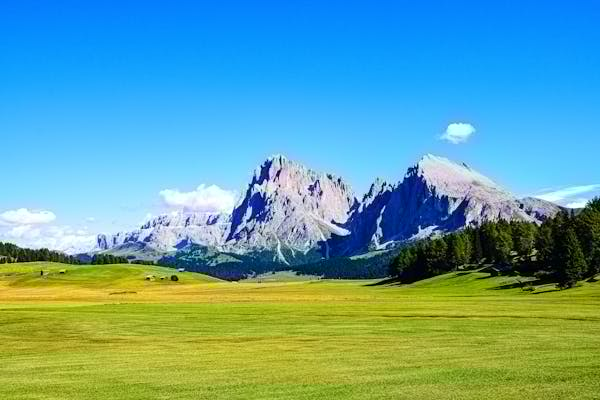
The beauty of the mountains and the rhythm of walking create living in the moment and being present. The tranquil, isolated surroundings of the rifugi provide the perfect place to get away from the madness of life and come back to the moment.
Conclusion
Hut-to-hut Dolomites trekking is a perfect means of being fit and surrounded by one of the most breathtaking places in Europe. In the process of performing single-day treks or multiple-day walks, the Dolomites offer varying types of outdoor exercise, activity, and brain de-stressing.
By incorporating hiking into your normal routine and active and exercise recovery days, you can obtain a well-balanced and enriching traveling experience that will keep your body fit, make you feel energized during travel, and allow you to heal your body, mind, and soul. The Dolomites are not only a fantastic experience but also a method of self-care for your mind, soul, and body.