
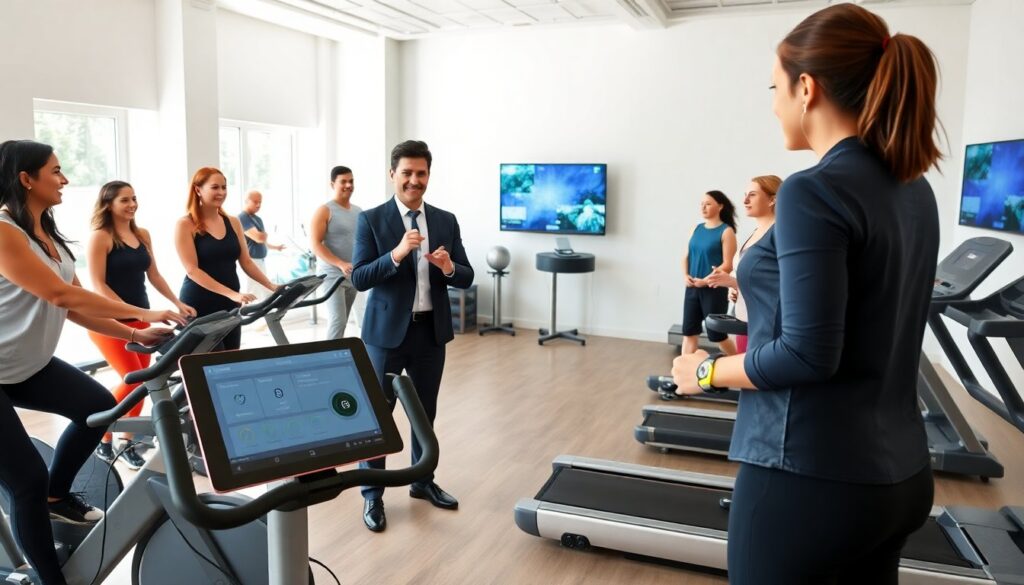
Wellness retreats cardio gaming tymeshlthklok appears as a new option for retreat planners. The idea mixes exercise, play, and timed health metrics. It offers clear benefits for guest engagement, data tracking, and repeat bookings. This guide explains why planners should add cardio gaming with TymesHlthKlok devices. It gives practical setup steps, a sample schedule, safety checks, and simple success metrics.
Key Takeaways
- Wellness retreats cardio gaming with TymesHlthKlok devices enhances guest engagement by combining exercise, play, and timed health metrics for measurable benefits.
- TymesHlthKlok technology enables real-time tracking of heart rate, calories, and recovery, motivating guests with feedback and competitive elements.
- Cardio gaming fits various retreat formats and equipment, improving program diversity and simplifying class management for staff.
- Planners should prioritize safety checks, guest consent for data collection, and staff training to ensure a secure and effective cardio gaming experience.
- A pilot program with 6–10 devices can validate interest and impact on guest satisfaction and rebooking before full-scale adoption.
- Regular tracking of attendance, heart-rate zones, guest feedback, and device performance supports continuous improvement of wellness retreats cardio gaming sessions.
Why Cardio Gaming Belongs At Modern Wellness Retreats
Retreat planners see wellness retreats cardio gaming tymeshlthklok as a value add for their programs. Cardio gaming raises heart rate while it entertains guests. It increases attendance for morning and evening sessions. It delivers measurable health outputs. Planners can show heart rate, calories, effort time, and recovery scores to guests. Guests respond well to real-time feedback and friendly competition. They feel motivated to return.
Cardio gaming fits multiple retreat formats. It works in small groups and large classes. It runs on indoor bikes, treadmills, rowing machines, or VR stations. TymesHlthKlok links devices to a central dashboard. The dashboard records session times and heart-rate zones. It stores data for guest follow-up and program analysis. The system also supports scheduled cues and music syncing.
Guests prefer clear goals and short sessions. Cardio games offer intervals, leaderboards, and achievement badges. They appeal to both novices and active guests. Planners can use short trials to introduce the concept. They can then add longer sessions for advanced guests. The format boosts program diversity. It improves perceived value for guests and staff.
Cardio gaming also helps staff. It simplifies class planning. It reduces the need for constant instructor correction. The tech guides pacing and intensity. Staff can focus on safety, form, and guest experience. The result is a smoother class and better guest feedback.
Implementing Cardio Gaming With TymesHlthKlok: Tech, Setup, And Best Practices
Planners should begin with a clear goal for wellness retreats cardio gaming tymeshlthklok sessions. They should set guest capacity, session length, and target heart-rate zones. They should list required devices: bikes, treadmills, rowers, or VR rigs. They should add TymesHlthKlok units to each device. TymesHlthKlok pairs via Bluetooth to the device and to a tablet or laptop. The central app shows live metrics and stores session logs.
Planners must prepare the space. They should check ventilation, lighting, and floor clearance. They should place devices with at least two feet between moving parts. They should provide clear sightlines to the instructor screen. They should test audio and music sync. Music improves pacing and mood.
Staff must train on TymesHlthKlok use. Staff should learn pairing, start/stop commands, and how to read live dashboards. Staff should practice emergency stop procedures. They should watch for signs of overexertion. Staff should explain metrics to guests in simple terms. Guests should know how to read heart-rate colors and what safe ranges look like.
Data privacy matters. Planners should get guest consent to collect metrics. They should explain how the retreat will store and use data. They should offer guests an option to opt out of tracking while still joining the game.
Cost control helps adoption. Planners should start with a pilot of six to ten devices. They should run a weekend program and measure interest. They should compare guest satisfaction, rebook rates, and ancillary spend to pre-pilot figures. If metrics improve, they should scale the kit.
Marketing should highlight the unique feature. Planners should use short demo videos, before-and-after guest quotes, and clear claims about session length and intensity. They should link marketing to booking pages and to the TymesHlthKlok dashboard for new guests.
Sample 3-Day Retreat Schedule, Safety Checks, And Success Metrics
Day 1: Arrival and intro. The staff runs a 30-minute cardio gaming demo using wellness retreats cardio gaming tymeshlthklok gear. The team offers a light warm-up, a 20-minute game, and a cooldown. The staff shows guests the dashboard and logging features.
Day 2: Core programming. The morning includes two 25-minute sessions at different intensities. One session focuses on endurance and one on intervals. The evening offers a relaxed 15-minute recovery game with lower heart-rate targets.
Day 3: Integration and challenge. The morning hosts a 30-minute mixed-mode challenge. Guests pick teams and compete on distance, effort minutes in target zones, or recovery score.
Safety checks: Staff should confirm that each guest completes a brief medical form. Staff should screen for heart conditions, recent surgeries, or uncontrolled blood pressure. Staff should check device fit and strap placement for heart-rate monitors. Staff should verify emergency exits and first-aid kits. Staff should record any incidents and follow local reporting rules.
Success metrics: Planners should track guest attendance for each session. They should track average heart-rate zones and time in zone. They should record session completion rate and device uptime. They should collect guest satisfaction scores and net promoter scores. They should track rebook rates and upsell revenue for follow-up programs.
A simple weekly reporting sheet helps. The sheet should list session name, date, attendees, average time in zone, equipment issues, and guest comments. The sheet should flag any safety incidents. Planners should review the sheet after each retreat and make one clear change for the next event.
TymesHlthKlok makes tracking simple. The device exports session logs. Planners should use those logs to validate effort claims and to refine scheduling. They should use real data to adjust session lengths and intensity levels.