
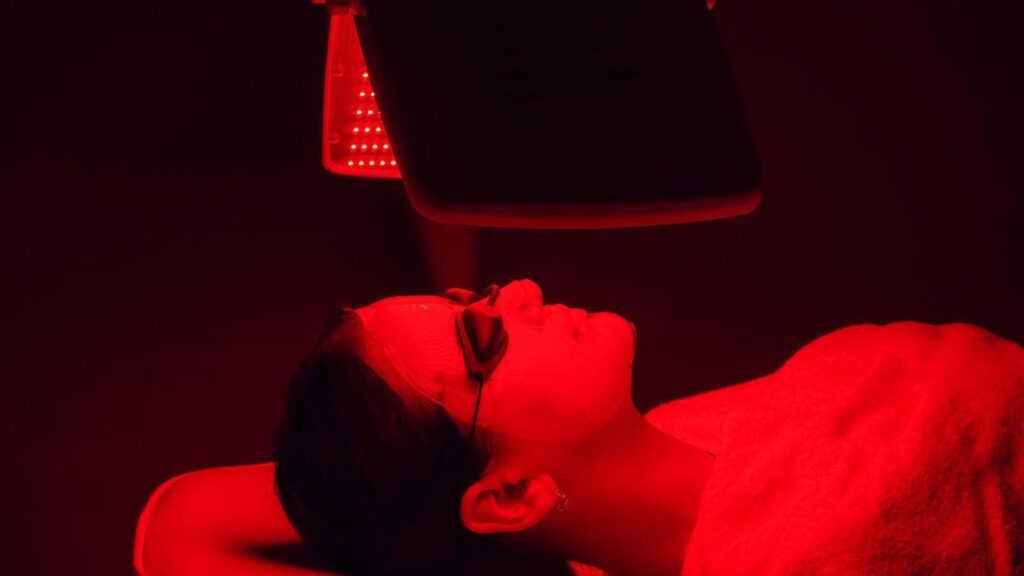
Ten years ago, if you’d told me a device that looks like a tanning bed panel would end up in dermatology offices, physical therapy clinics, and pro locker rooms, I’d have laughed you out of the room. But here we are. Once a fringe technology used exclusively by biohackers, red light therapy is now supported by hundreds of studies in peer-reviewed journals, and I have witnessed demand grow each year among people seeking drug-free solutions to problems like pain, aging skin, and poor recovery.
Does it work? Yes, it does. Red light therapy provides tangible results – faster healing of wounds, reduced joint pain, improved skin appearance, increased production of collagen, faster recovery after an intense workout session. It is all because of the process called photobiomodulation, where certain wavelengths of red and near-infrared lights target your cells’ mitochondria, increase energy production, and activate the natural repairing processes of your body to deliver the benefits of red light therapy.
1. How Red Light Therapy Actually Works
UV light damages skin. Red light doesn’t. That’s the whole distinction people miss when they lump this in with tanning beds. We are referring to wavelengths of 630 to 850 nanometers, which pass through the outer layer of skin without any thermal or radiation dangers and are absorbed by mitochondria, the tiny power stations within all cells. The greater the absorption, the greater the production of ATP, the fuel on which cells function to repair tissue and regenerate.
The number of times I’ve observed such studies is too numerous for my liking, but there is one pattern which emerges in all cases: consistency beats intensity. Always. A man who exercises for 8 minutes everyday will recover quicker than a man who exercises for an hour only once in a week.
2. Top Red Light Therapy Benefits Backed by Research
Skin health and anti-aging. Studies show red light stimulates collagen synthesis, which is the thing that actually softens fine lines and firms up sagging skin — not some serum promising the same in a jar. Dermatology research also ties it to less redness and faster healing in acne-prone skin. If you’ve ever watched a stubborn breakout calm down over two weeks of consistent light exposure, you know this isn’t just a marketing copy.
Pain relief and inflammation. Physical therapy clinics have quietly built near-infrared light into their standard toolkit for chronic joint pain, arthritis, and sore muscles. Unlike a pill, it doesn’t mask the pain signal — it works at the cellular level to calm the inflammatory markers actually causing the ache in the first place.
Muscle recovery and athletic performance. It is used by athletes prior to and after workouts in order to reduce oxidative stress and facilitate muscle recovery. A handful of studies on endurance athletes clocked measurably less muscle fatigue in the red-light groups compared to placebo. Nothing dramatic — but in a sport decided by seconds, “less fatigue” is worth something.
Mood and sleep support. This one is lagging behind the others. Initial studies have shown that red light at night could help regulate your internal clock without interfering with sleep like the blue light from a smartphone screen. Potential, not confirmed. I would say “try it,” but not “depend on it.”
3. Red Light Therapy vs. Other Light-Based Treatments — Wellnesszing Comparison
- Red light therapy — non-invasive, zero downtime, targets skin and tissue repair
- Blue light therapy — mostly for killing acne-causing bacteria, not repair
- Infrared saunas — heat-based, whole-body, totally different mechanism
- Laser therapy — more intense, usually needs a professional to run it
For most people doing this at home, a red light panel or mask hits the sweet spot of safety, price, and results you can actually notice. That’s the standard the Wellnesszing team holds every product review to before it makes the list.
4. What the Research Still Doesn’t Answer
Here’s the part most articles conveniently skip: dosage standardization is a mess. Clinical trials use wildly different session lengths, distances from the panel, and wavelengths, so comparing results across studies is like comparing apples to a completely different fruit. If you’re looking for home equipment from brands like Wellnesszing, then don’t go with any equipment that just states “red light therapy” on the package without anything else. Always check what the actual wavelength output and irradiance figures are. If they don’t want to disclose that information, that is telling you something.
5. Frequently Asked Questions
Does red light therapy actually work? Yes — for specific things like skin rejuvenation, wound healing, and pain reduction, the clinical evidence is solid. Results still depend heavily on device quality and how consistently you use it.
How frequently should red light therapy be administered? According to many studies, a course of therapy usually consists of 3-5 sessions per week for 10-20 minutes during 4-12 weeks.
Can I use it daily? Yes. Since there is no danger of cellular injury from exposure to red light waves, its daily application poses no threat to healthy people.
Final Thoughts
By the year 2026, the red light therapy is finally here to stay as a reliable treatment method for skincare, pain and healing. This is because the true impact of it can be seen when using it as a routine, not yet another wellness trend that you will only give two attempts to. It needs time, start small and gradually increase the duration of sessions to avoid potential is red light therapy side effects. Observe what is happening with your skin and joints over several weeks and adjust accordingly. There is science to back that up.