

Preventive dental care is one of the simplest ways for families to protect their oral health and reduce the risk of unexpected dental problems. Daily brushing and flossing are important, but they cannot replace regular dental examinations and professional cleanings. A dentist can identify changes that may not be visible or painful yet, giving patients an opportunity to address concerns before they become more difficult to manage.
For families living near Bathurst Street, Thornhill, and Vaughan, choosing a nearby dental clinic can also make routine care easier to maintain. When appointments fit conveniently into work, school, and family schedules, patients are less likely to postpone the care they need.
Dental Problems Can Develop Without Obvious Symptoms
Many people wait until they experience pain before contacting a dentist. However, tooth decay, gum inflammation, damaged fillings, and other oral health concerns may develop gradually without causing immediate discomfort.
A small cavity, for example, may not hurt during its early stages. Gum disease may initially appear as occasional bleeding while brushing, which can be easy to dismiss. A filling may also weaken or develop a small gap before the patient notices any change.
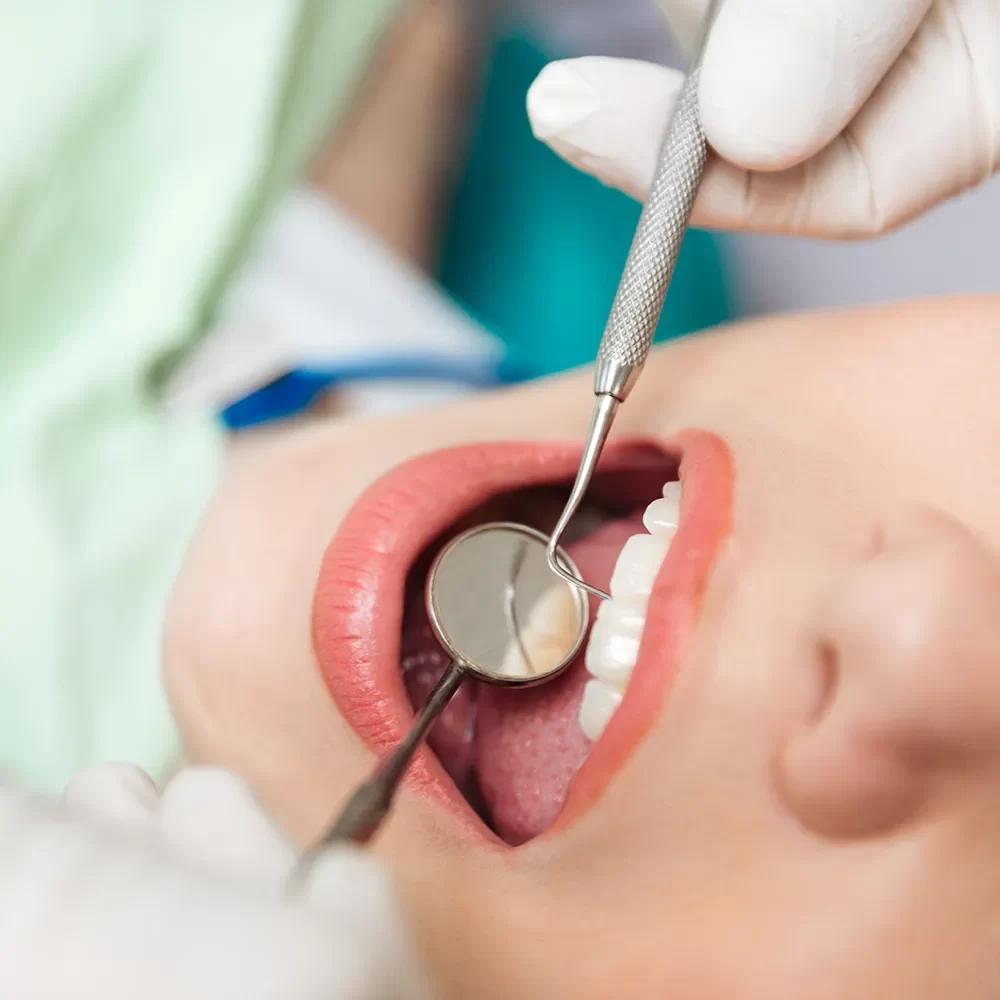
Regular dental checkups allow these concerns to be assessed sooner. During an examination, the dentist may evaluate the teeth, gums, bite, jaw, and existing dental work. Dental X-rays may be recommended when necessary to examine areas that cannot be seen directly.
Early detection does not guarantee that every procedure can be avoided, but it can often provide more options and reduce the likelihood of a minor concern becoming an urgent dental problem.
Professional Cleanings Support At-Home Oral Care
Brushing twice a day with fluoride toothpaste and cleaning between the teeth are key parts of a good oral hygiene routine. Even with consistent care, however, plaque can remain in areas that are difficult to reach.
Over time, plaque may harden into tartar. Unlike soft plaque, tartar cannot usually be removed with an ordinary toothbrush. Professional dental cleanings help remove this buildup from the teeth and around the gumline.
A dental hygienist can also identify areas that may be receiving less attention at home. Patients can receive practical advice about brushing angles, flossing methods, interdental brushes, or other tools suited to their needs.
This guidance may be particularly helpful for children learning to brush independently, teenagers with orthodontic appliances, adults with crowns or bridges, and older patients experiencing changes in dexterity or gum health.
Preventive Care Is Important at Every Age
The purpose of a dental visit may change as a person grows, but regular care remains valuable throughout life.
For young children, early visits can help them become comfortable with the dental environment. Parents may also receive advice about brushing, fluoride, diet, thumb sucking, and the development of baby and permanent teeth.
Teenagers may need support with braces, wisdom teeth, sports-related protection, or oral hygiene habits affected by busy schedules. Adults may require monitoring for decay, gum disease, worn dental work, teeth grinding, or changes caused by medications and health conditions.
Older adults may have different concerns, including dry mouth, exposed tooth roots, missing teeth, dentures, or difficulty maintaining oral hygiene. Having one dental office that can care for different generations allows each person’s treatment and preventive schedule to be adjusted to their individual needs.
Healthy Gums Are Part of a Healthy Mouth
Preventive dentistry is not limited to detecting cavities. Gum health is equally important because the gums and supporting bone help hold the teeth in place.
Early signs of gum problems can include:
- Bleeding during brushing or flossing
- Red, swollen, or tender gums
- Persistent bad breath
- Gum recession or sensitive tooth roots
These symptoms should not automatically be considered normal. During a checkup, the dental team can examine the gums, measure areas around the teeth when appropriate, and recommend a suitable cleaning and home-care schedule.
Addressing gum inflammation early may help prevent it from progressing. Patients with existing periodontal concerns may need more frequent appointments than those with consistently healthy gums.
Regular Visits Can Reduce Disruptions to Family Life
Dental pain can interfere with sleep, eating, school, work, and planned activities. Although not every dental emergency can be prevented, routine care can lower the risk of some unexpected problems.
A dentist may identify a cracked filling, weakened tooth, developing infection, or area of decay before it causes severe symptoms. Treating the concern at a planned appointment is often easier for a family than rearranging work and school commitments because someone suddenly needs urgent care.
Routine appointments also create continuity. When patients visit the same clinic consistently, the dental team can compare current findings with previous examinations and X-rays. This makes it easier to monitor small changes over time rather than assessing each appointment without a complete history.
Convenience Makes Consistency Easier
Location is an important but sometimes overlooked part of choosing a dental clinic. Even a strong preventive plan is difficult to maintain when the office is inconvenient to reach.
Families may benefit from choosing a dentist located close to home, work, school, or a familiar commuting route. A clinic on Bathurst Street may be convenient for patients travelling from Thornhill, Vaughan, Richmond Hill, North York, or nearby neighbourhoods.
Families looking for coordinated care can visit Onyx Dentistry on Bathurst, serving Thornhill and Vaughan for preventive, family, restorative, cosmetic, and emergency dental services in one location.
The clinic is located at 7968 Bathurst Street in Vaughan, near the Thornhill area. Its location can make follow-up appointments and routine checkups easier to include in an already busy family calendar. Onyx Dentistry also offers Saturday appointments, providing another scheduling option for patients who may have difficulty attending during the workweek.
How Often Should Families Visit the Dentist?
The right appointment schedule is not identical for every patient. Many people are familiar with the idea of visiting every six months, but the recommended frequency depends on individual risk factors and oral health needs.
A dentist may consider:
- History of tooth decay
- Current gum condition
- Age and stage of dental development
- Existing crowns, bridges, implants, or dentures
- Medical conditions and medications
- Brushing, flossing, diet, and tobacco use
Some patients may need appointments more frequently, while others may be advised to follow a different schedule. The best approach is to follow the recommendation provided after a professional assessment.
Routine appointments should not prevent someone from seeking care earlier when they develop severe pain, swelling, a broken tooth, uncontrolled bleeding, or signs of infection.
Making Dental Health a Family Habit
Children often learn health habits by observing the adults around them. When parents attend regular checkups and speak positively about dental care, children may be more likely to view appointments as a normal part of staying healthy rather than something to fear.
Families can reinforce this habit by scheduling the next visit before leaving the clinic, placing appointments on a shared calendar, and maintaining consistent brushing routines at home. Parents can supervise younger children and help them improve their technique as they become more independent.
It is also helpful to avoid using dental treatment as a threat when discussing sweets or brushing. Calm, age-appropriate explanations can help children develop a more positive relationship with oral care.
A Practical Investment in Long-Term Oral Health
Preventive dental care requires only a small amount of time compared with the disruption that can result from untreated dental problems. Regular examinations, professional cleanings, appropriate X-rays, and personalized home-care advice work together to support healthier teeth and gums.
For families in Thornhill and Vaughan, selecting a conveniently located dentist on Bathurst can make these routines easier to maintain. The goal is not simply to respond when something hurts. It is to monitor oral health, recognize changes early, and help every family member protect their smile at each stage of life.