
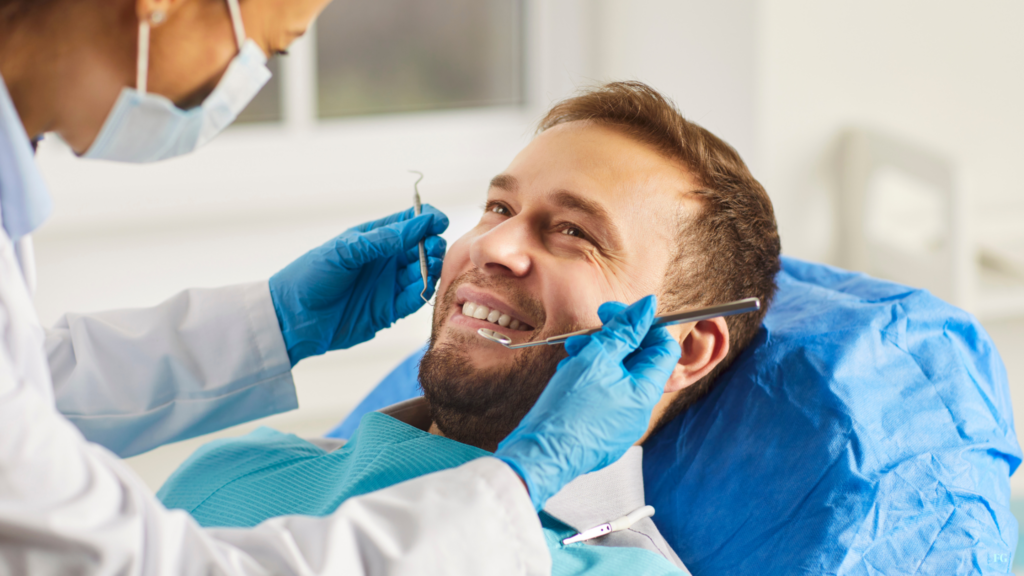
Dental anxiety affects millions of people — but the way forward-thinking practices are designed today is quietly changing that for the better
For roughly one in three adults, the word “dentist” still triggers a small spike of dread. Sweaty palms. A racing heart. A quietly canceled appointment that gets pushed three more months down the road.
It’s not weakness. It’s not avoidance. It’s a measurable, well-documented response that researchers call dental anxiety — and it’s one of the most common reasons people skip preventive care, even when they know better.
But something interesting is happening across modern dental practices. The way appointments are designed — from the moment a patient walks in to the way procedures are explained — is being completely rethought. Specialists in patient-centered practice design, including industry partners like Firegang Dental Marketing, are helping practices reshape the patient experience around comfort, transparency, and emotional safety — not just clinical efficiency.
Here’s what’s actually changing — and what to look for if dental anxiety has kept you out of the chair.
Why Dental Anxiety Is So Common
Dental anxiety isn’t one thing. It’s a collection of small fears layered on top of each other.
The loss of control
Lying back in a chair with someone working in your mouth removes basic autonomy. You can’t speak. You can’t see what’s happening. You’re trusting someone with one of the most sensitive parts of your body.
Sensory overload
The bright overhead light. The hum of equipment. The smell of disinfectant. For people with sensory sensitivities or trauma histories, these signals alone can trigger a full anxiety response.
Old memories that linger
A single difficult dental experience in childhood can shape how someone feels about every appointment for the rest of their life. The body remembers, even when the mind has mostly moved on.
Understanding these layers matters because the practices changing the patient experience are addressing each one — not dismissing them as “just nerves.”
What the Best Practices Are Doing Differently
A modern, anxiety-aware dental practice doesn’t feel like a dental practice. That’s the point.
1. Reframing the first visit
Instead of a quick chart review followed by an exam, the best practices now offer extended consultations. A real conversation. No tools. No tray. Just time to understand the patient’s history, fears, and goals.
This single change — treating the first visit as a conversation, not a procedure — dramatically reduces anxiety for first-time patients.
2. Sensory-aware office design
Soft lighting instead of harsh fluorescents. Noise-canceling headphones available on request. Calming colors and natural elements in the waiting area. Some practices now offer weighted blankets for nervous patients during longer procedures.
These aren’t spa-like luxuries. They’re evidence-based interventions that lower cortisol, slow heart rate, and make patients more likely to follow through on care.
3. Transparent communication
“This is going to feel a little uncomfortable for about ten seconds” is dramatically more reassuring than “you might feel something.” The best modern providers narrate procedures in real time, give patients agency over breaks, and make sure no one is ever surprised by what comes next.
4. Built-in pause signals
A simple agreement at the start of the visit — raise your left hand and we stop immediately — gives the patient back the control that lying in the chair takes away. It sounds small. For an anxious patient, it changes everything.
|
“The shift isn’t about giving anxious patients more sedation. It’s about designing the entire visit so that fewer people need it in the first place.” |
What This Looks Like in Practice
It’s one thing to describe a more compassionate dental experience in the abstract. It’s another to see what happens when a practice actually commits to building one.
From overlooked to overflowing
Consider one real-world dental practice case study from a clinic that rebuilt its entire patient approach around accessibility, transparency, and trust. New patient calls grew from roughly 30 a month to over 200 within six months.
The practice also offers sedation options for patients who need them — but the broader transformation came from rethinking the full patient experience, not just the clinical side.
That’s the broader lesson: when practices design with patient comfort and communication in mind, everyone benefits. The waiting room feels calmer. The procedures feel shorter. The trust between patient and provider gets built faster.
What to Look For When Choosing a Dentist
If dental anxiety has affected your willingness to get care, it’s worth looking for a practice that’s actively designed for people like you. Here are signs of one.
Their website talks about anxiety directly
Modern, patient-centered practices don’t hide from the topic. They have dedicated pages addressing dental fear, sedation options, and what a first visit actually looks like. If a practice ignores the topic entirely, it’s probably not built for nervous patients.
They offer real consultations before procedures
A practice that books you straight into a cleaning without a conversation first isn’t the right fit for anxiety-sensitive care. Look for ones offering “meet and greet” visits or extended consultations.
The team feels human in their reviews
Read the actual review text — not just the star rating. Words like “gentle,” “patient,” “explained everything,” and “helped me feel comfortable” appearing repeatedly are real signals. So is how the practice responds to negative reviews — defensively, or with genuine care?
Sedation options are available — but not pushed
A good anxiety-aware practice offers sedation options — but the goal is to make you comfortable enough that you may not need them. Practices that emphasize sedation as the only solution aren’t solving anxiety. They’re working around it.
The Bigger Picture
Oral health affects far more than teeth. Untreated dental issues are linked to heart disease, diabetes complications, and even mental health outcomes. Avoiding dental care doesn’t make the problem go away — it lets it grow.
The shift happening in modern dentistry isn’t just better business. It’s public health. Practices that make care emotionally accessible bring back people who haven’t been to a dentist in years.
If dental anxiety has kept you out of the chair, you’re not alone. The right practice can change everything — not by ignoring how you feel, but by building the entire experience around it.
The chair doesn’t have to be scary anymore.