
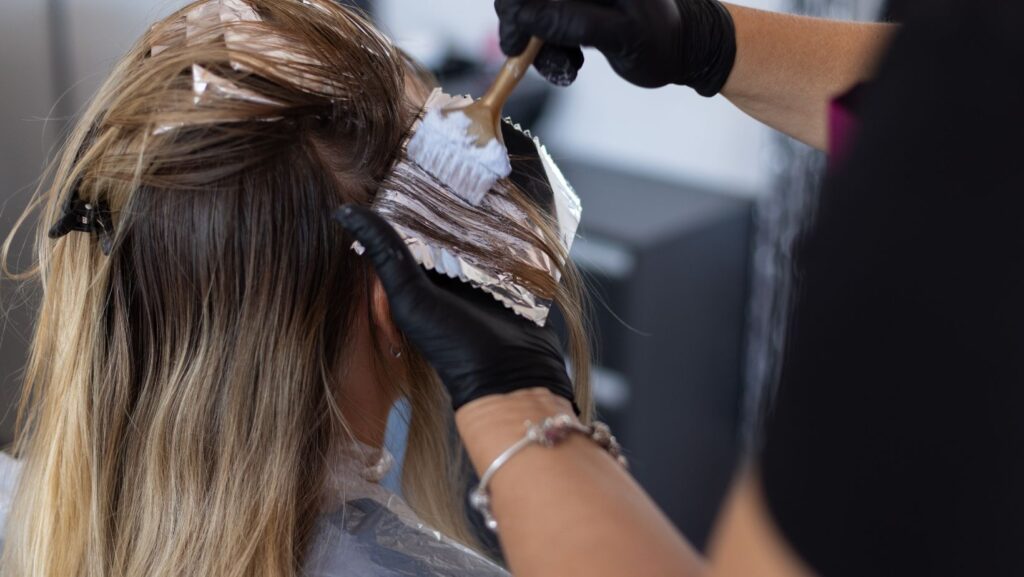
Hair bleaching can dramatically transform your look, but it often comes at a cost. While lighter tones may create striking results, repeated or aggressive bleaching can compromise both hair fiber integrity and scalp health. Dryness, brittleness, breakage, and thinning are common concerns after excessive hair bleaching.
Restoring strength and resilience requires more than conditioning treatments alone. Supporting scalp health and follicular function is essential for improving the overall appearance of damaged hair. Calecim Professional offers innovative regenerative solutions specifically designed to strengthen hair, revitalize the scalp, and promote fuller, healthier-looking hair.
How Hair Bleaching Damages Hair
According to WebMD, the side effects associated with hair bleaching range in severity. One common issue is the lingering scent of ammonium hydroxide. Bleaching can also make hair weaker and more prone to breakage.
From a structural perspective, bleaching causes approximately 15% to 20% of the hair’s protein bonds to break. Keratins are the key structural proteins that make up the hair shaft. When these keratin bonds are disrupted, the strands lose structural integrity, becoming brittle and fragile. In addition to fiber damage, bleaching agents can pose more serious risks:
- Scalp burns: Strong bleaching agents or the use of heat styling tools immediately after bleaching may increase the risk of scalp irritation or burns.
- Hair bleach poisoning: Chemicals such as ethyl alcohol, ammonium persulfate, and hydrogen peroxide are potentially toxic if ingested or if they come into contact with the eyes or skin in high concentrations.
While most cosmetic bleaching procedures are performed safely, repeated exposure can weaken both hair and scalp over time.
Immediate vs. Long-Term Risks of Bleaching
Immediately after bleaching, hair often feels dry, rough, and difficult to manage due to disrupted cuticle layers and protein bond damage. Over the long term, repeated bleaching may contribute to cumulative protein loss, increased breakage, reduced shine, and visible thinning. Scalp barrier disruption may also impair the environment necessary for optimal follicular activity, potentially affecting hair density and strength over time.
Can Damaged Hair Be Repaired?
Severely damaged keratin bonds within the hair shaft cannot be permanently “repaired” once broken. However, the appearance and resilience of hair can be significantly improved through supportive care. Conditioning treatments may temporarily reinforce the fiber surface, while regenerative scalp care technologies aim to optimize the environment in which new hair grows. By prioritizing scalp barrier integrity and cellular renewal, regenerative approaches can help improve overall hair quality and support stronger-looking strands over time.
How Calecim Professional Supports Regenerative Haircare After Bleaching
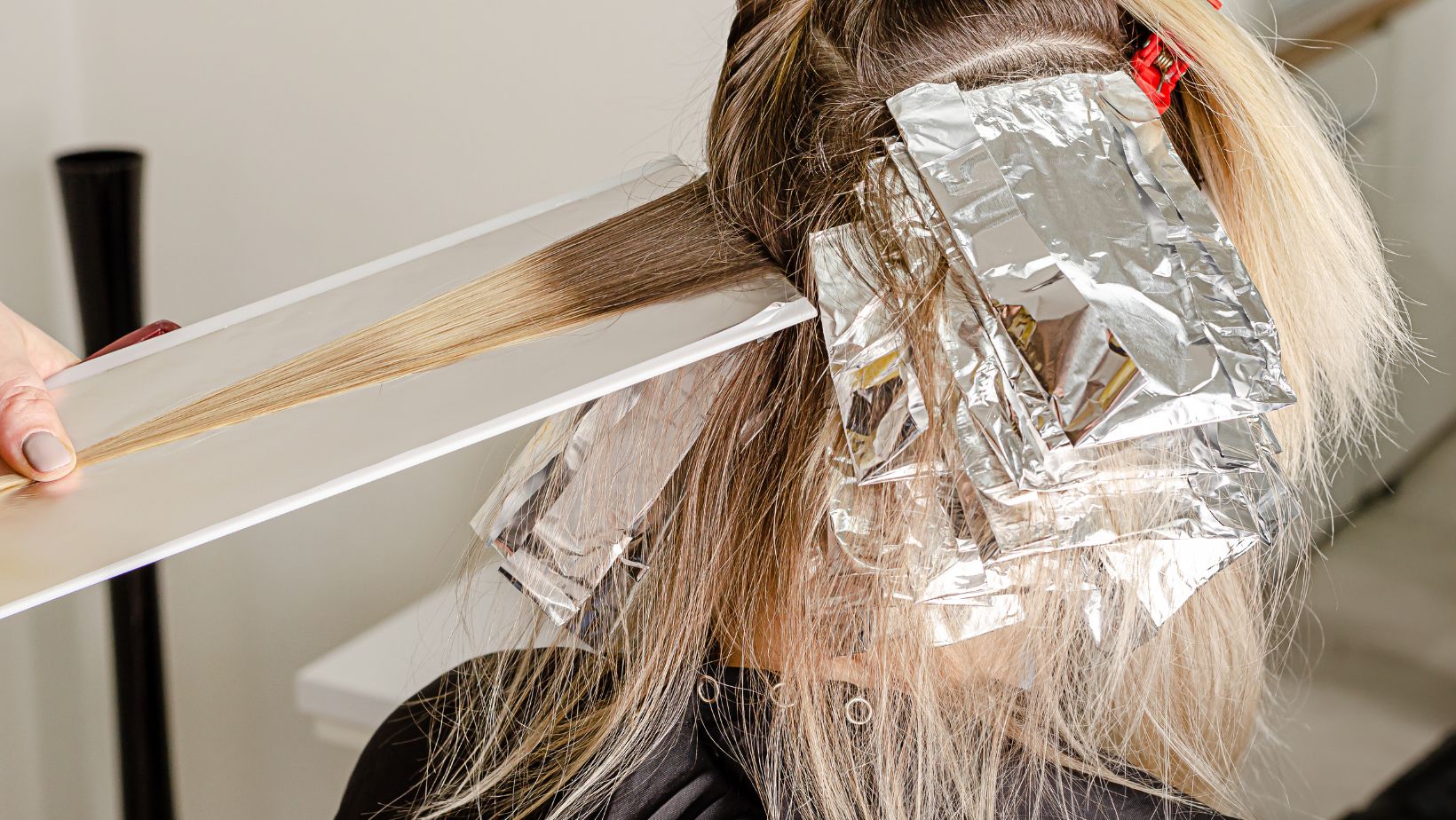
When addressing over-bleached hair, scalp health should be prioritized. Calecim Professional offers its Hair Serum, developed as a science-based approach to regenerative haircare.
The product’s main ingredient is the brand’s proprietary PTT-6® conditioned media, which is ethically derived through stem cell technology. This bioactive complex contains over 3,000 proteins, including growth factors, cytokines, and signaling molecules involved in cellular renewal and intercellular communication.
Rather than functioning as a pharmaceutical intervention, PTT-6® is designed to support the scalp’s natural repair processes. It helps maintain barrier function and promotes an environment conducive to healthy follicular activity. The formulation is topical, non-invasive, and developed for professional use with a strong safety profile.
Clinical and laboratory evaluations of PTT-6® have demonstrated measurable improvements in key scalp and hair parameters, including:
- Significant reduction in scalp inflammation markers (up to 30-fold in controlled models)
- Up to 24% increase in follicular cell-related activity
- 14% improvement in visible hair density
- 16% increase in hair thickness in both new and existing strands
These findings support PTT-6® as an advanced cosmetic technology designed to enhance scalp condition and improve the overall appearance of hair density and strength with consistent use.
For individuals experiencing brittleness, breakage, or thinning after repeated bleaching, supporting the scalp may be a critical step toward restoring healthier-looking hair.
Frequently Asked Questions
- Can Calecim Professional reverse bleach damage?
Bleach-induced structural bond damage cannot be fully reversed. However, Calecim’s Hair Serum is designed to support scalp health and improve the appearance of hair thickness and density over time. - Is it safe to use on a sensitive or recently bleached scalp?
The formulation is topical and developed with a strong safety profile. Individuals with significant irritation or burns should consult a healthcare professional before application. - How long does it take to see visible improvements?
Hair growth cycles require time. Improvements in scalp condition may be noticeable within weeks, while visible changes in density and thickness typically require consistent use over several months. - Can it be used alongside bond-repair treatments?
Yes. Regenerative scalp care may complement fiber-focused bond-repair treatments as part of a comprehensive post-bleaching strategy.
Summary
Hair bleaching disrupts keratin bonds, weakens structural integrity, and may compromise scalp health, particularly with repeated treatments. While broken protein bonds cannot be permanently restored, the overall appearance of hair strength and density can be improved by supporting the scalp environment.
Calecim Professional’s Hair Serum, powered by patented PTT-6® conditioned media, is designed to optimize cellular communication and scalp resilience. Clinical evaluations demonstrate improvements in inflammation markers, follicular activity, hair density, and thickness.
By integrating regenerative scalp support into your post-bleaching routine, it is possible to improve the strength, fullness, and overall health of your hair over time.