
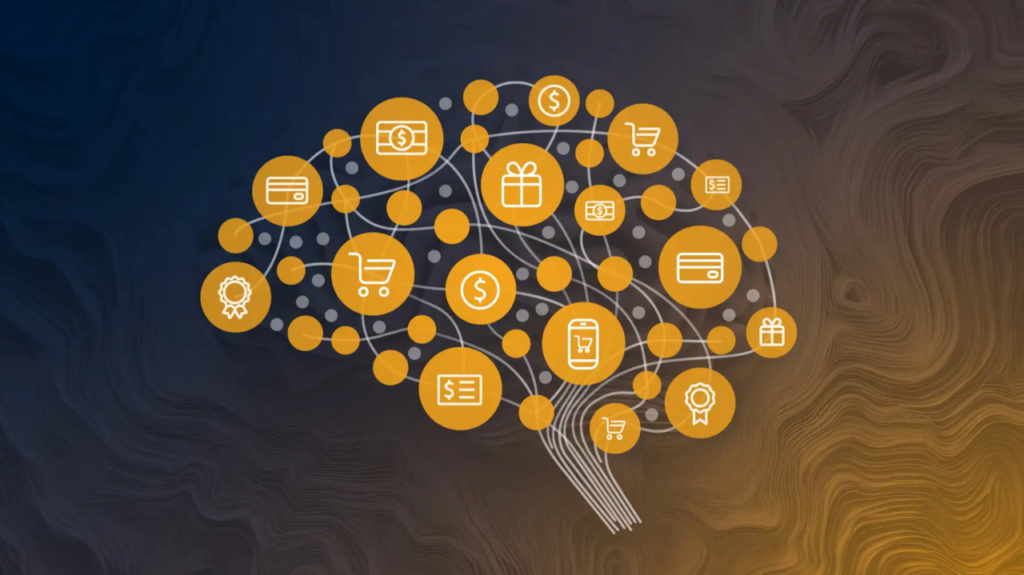
The concept of “wellness” in 2026 has expanded far beyond physical fitness and nutrition to include our cognitive relationship with digital environments. As Canadians spend a significant portion of their professional and leisure time in virtual spaces, the neurological impact of “micro-incentives” – small, frequent digital rewards – has become a focal point for behavioral health experts. These stimuli, which range from social media notifications to progress bars in productivity apps, trigger dopamine responses that can either enhance motivation or lead to mental fatigue. Understanding how to navigate these systems is essential for maintaining a balanced lifestyle in an increasingly gamified world.
The Dopamine Loop in Daily Digital Habits
Dopamine is often misunderstood as the “pleasure chemical,” but in the context of neurobiology, it is actually the molecule of anticipation. When we interact with digital platforms that offer variable rewards, our brains release dopamine in expectation of a positive outcome. This mechanism is what makes fitness trackers so effective; the “ping” of hitting a step goal provides a neurological reinforcement that encourages habit formation. However, when these loops are poorly managed, they can lead to a state of constant overstimulation. Achieving digital wellness requires a conscious effort to recognize these loops and ensure they are serving our long-term health goals rather than merely driving compulsive screen time.
Gamification as a Tool for Positive Behavioral Change
While much has been written about the risks of digital overstimulation, gamification – the application of game-design elements in non-game contexts – can be a powerful ally for health. Many Canadian healthcare providers are now utilizing apps that gamify physical therapy and chronic disease management. By turning repetitive health tasks into a series of achievable “quests” with tangible digital rewards, patients show significantly higher adherence rates. This transition from “chore” to “challenge” leverages our natural affinity for progression and achievement, proving that when designed ethically, digital reward systems can be a cornerstone of modern preventative medicine and mental resilience.

Balancing High-Stakes Stimulation with Cognitive Rest
For many, the most intense form of digital stimulation comes from high-stakes environments where risk and reward are directly linked. Whether it is day-trading on a mobile app or engaging in verified online entertainment, the brain’s “reward circuit” is pushed to its limit. Navigating these spaces safely involves setting strict cognitive boundaries. For example, some users look for platforms that offer clear entry incentives to mitigate initial stress. Those who use a Fairspin promo code often do so to explore new digital ecosystems with a structured buffer, allowing them to engage with the mechanics of the platform without the immediate pressure of high-stakes commitment. The key to health in these scenarios is the “cool-down” period – ensuring that high-stimulation activities are followed by periods of complete digital fasting to allow the brain’s receptors to reset.
Building a Sustainable Digital Ecosystem at Home
As we look toward the future of Canadian household wellness, the integration of “Calm Technology” is becoming a priority. This design philosophy argues that technology should inform us but not demand our constant attention. Creating a healthy digital ecosystem involves silencing non-essential notifications and choosing platforms that prioritize transparency over “dark patterns” designed to keep users hooked. By taking control of our digital inputs and understanding the underlying psychology of the rewards we receive, we can ensure that our technology remains a tool for empowerment. Wellness in 2026 is defined by our ability to remain the masters of our own attention in a world designed to capture it.