
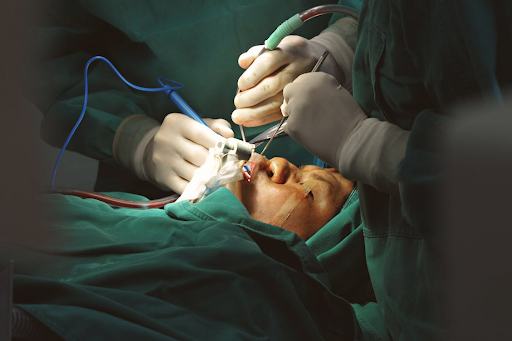
A plastic surgery consultation is one of the most consequential conversations a patient will have. The questions asked directly shape outcomes, recovery expectations, costs, and long-term satisfaction. However, most patients arrive underprepared, unsure what to probe beyond cost and before-and-after photos.
This April 2026 updated guide evaluates various surgeons to show how their practices, credentials, and approaches compare so that patients know what to expect and what to ask. Whether you are considering rhinoplasty, a facelift, or revision surgery, knowing what to expect is step one.
- Dr. Rady Rahban – Rady Rahban MD
Procedures: Dr. Rady Rahban has built a reputation in Beverly Hills around revision rhinoplasty, correcting outcomes from prior surgeries. His practice markets specifically to patients seeking repair work after unsatisfactory results elsewhere.
Pricing: Beverly Hills premium rates. Revision rhinoplasty carries a higher surgeon fee than primary surgery due to added complexity. Facility and anesthesia fees apply with various financing options available.
Credentials and trust: Strong patients testimonial base from revision cases. Formal board certification details are not prominently published, limiting independent benchmarking.
Aesthetic philosophy: Focused on corrective, restorative outcomes, restoring proportional balance that a prior surgery failed to achieve.
Location signals: Dr. Rhaban’s practice reports performing hundreds of revision rhinoplasty procedures annually, with a significant portion of patients traveling from outside California specifically for revision work.
Patient experience: Draws patients from Outside California for revision work. Recovery timelines are longer than primary rhinoplasty with virtual consultations available.
Use cases: Best for revision after a bad nose job. Not suited for primary rhinoplasty or multi-procedure patients.
Pros:
- Focused niche in revision rhinoplasty, which is technically more complex than primary surgery.
- Strong patient testimonial base from revision cases.
- Beverly Hills location with proximity to Cedars-Sinai-area surgical facilities.
Cons:
- National recognition is lower than top-tier competitors, making it harder to benchmark reputation independently.
- Practice focus on revision may limit range if a patient also wants complementary facial procedures.
- Less publicly available data on complication rates or revision-on-revision outcomes.
- Dr. Jay Calvert – Beverly Hills Plastic Surgery
Procedures: The Beverly Hills practice spans rhinoplasty, revision rhinoplasty, facelift, and breast augmentation and breast revision. His practice emphasizes natural-looking results and proportional balance.
Pricing: Reflects Beverly Hills market rates. Multi-procedure patients may reduce total facility and anesthesia overhead by consolidating care.
Credentials and trust: Dr. Jay Calvert plastic surgery clinic is board-certified and Dr. Calvert is a fellow of the American Board of Plastic Surgery (ABPS).
Aesthetic philosophy: Natural-looking results and proportional balance. Documented expertise in ethnic rhinoplasty respects the patient’s existing anatomy.
Location signals: Dr. Calvert has been featured on RealSelf, where board-certified surgeons with verified credentials are rated by patients across multiple dimensions in Beverly Hills, Los Angeles and Southern California.
Patient signals: His RealSelf profile reflects consistent ratings above the platform’s average for rhinoplasty specialists in Southern California.
Use cases: Ideal for primary rhinoplasty, ethnic nose reshaping, or patients consolidating multiple procedures. Strong option for diverse ethnic backgrounds.
Pros:
- ABPS board-certified and fellowship-trained, meeting the highest U.S credentialing standard.
- Documented expertise in ethnic rhinoplasty and preservation techniques – an area requiring specific training.
- Broad procedural range allows patients to address multiple concerns with one surgeon and surgical team.
Cons:
- High patient demand can result in longer wait times for consultation and surgical scheduling.
- Broad scope means patients seeking a rhinoplasty-only specialist might consider a more narrowly focused surgeon.
- Pricing reflects Beverly Hills market rates, which can be higher than comparable surgeons in other LA submarkets.
- Dr. Nima Shemirani – Eos Rejuvenation
Procedures: Rhinoplasty and facial rejuvenation procedures including facelift and blepharoplasty.
Pricing: Beverly Hills premium market. Pricing reflects 18+ years of experience. Consultation booking data not publicly available.
Credentials and trust: Dr. Nima Shemirani operates Eos Rejuvenation in Beverly Hills and holds double board certification in both otolaryngology and facial plastic surgery – a credential pairing that distinguishes facial plastic surgeons from general plastic surgeons.
Aesthetic philosophy: Natural rejuvenation grounded in functional anatomy. Emphasis on restoring facial harmony rather than dramatic alteration.
Location signals: Beverly Hills, Los Angeles, and the Southern California Market.
Patient experience: With more than 18 years of practice, Dr. Shemirani’s clinical volume places him among the more experienced facial surgeons in Southern California, a market where surgeon experience directly correlates with outcome consistency.
Use cases: Best for rhinoplasty with functional nasal concerns, facelift, or blepharoplasty. Suits patients prioritising ENT-level expertise over media profile.
Pros:
- Double board certification is a meaningful differentiator; two separate rigorous examination processes.
- Long track record with an established local patient base.
- Strong local ratings across review platforms.
Cons:
- National profile is limited compared to surgeons with broader media presence or academic affiliations.
- Practice branded around rejuvenation, which may not fully communicate scope to patients exploring complex reconstruction or ethnic rhinoplasty
- Consultation booking data is not publicly available, making it difficult to benchmark scheduling wait times.
- Dr. Richard Zoumalan – Zoumalan MD
Procedures: Dr. Richard Zoumalan has structured his Beverly Hills practice entirely around rhinoplasty and facial surgery – he does not perform body procedures.
Pricing: Premium Beverly Hills pricing reflecting hyper-specialisation and high surgical volume. Facility and anesthesia costs apply, with financing options available.
Credential and trust: High rhinoplasty volume is itself a credibility signal. Before-and-after galleries focused on rhinoplasty and facial work available.
Aesthetic philosophy: Precision within a defined scope. Exclusive focus on the nose and face support refined aesthetic judgement and consistent natural-looking outcomes.
Location signals: Beverly Hills, Los Angeles, and Southern California.
Patient experience: Single-surgeon, high-volume model may mean scheduling lead times. The entire patient journey is built around rhinoplasty, offering a streamlined specialist experience.
Use cases: Dr. Zoulmalan limits his practice exclusively to two types of surgery namely rhinoplasty and facial procedures, a scope restriction that means his rhinoplasty volume per year is among the highest of any single-surgeon practice in Beverly Hills.
Pros:
- Rhinoplasty-only focus means exceptionally high procedure volume and refined surgical instincts.
- Patients seeking a facial specialist, not a generalist, will find the scope explicitly defined.
- Beverly Hills location with a strong local patient base.
Cons:
- Patients who also want body procedures or breast work cannot consolidate care under one surgeon.
- National recognition outside the LA market is limited.
- Narrow specialization means less flexibility for patients whose needs evolve toward non-facial procedures.
- Dr. Deepak Dugar – Scarless Nose
Procedures: Dr Dugar’s technique is performed as a closed rhinoplasty, a method that typically results in shorter recovery time compared to open rhinoplasty, though both techniques are clinically appropriate depending on anatomical complexity.
Pricing: Beverly Hills premium rates. Shorter recovery may reduce indirect costs. Facility and anesthesia fees apply.
Credential and trust: He is the only board certified rhinoplasty surgeon in the U.S whose entire surgical practice is dedicated to this closed (endonasal) approach, which avoids external incisions entirely.
Aesthetic philosophy: Minimal scarring and minimal external intervention. Shorter recovery with natural-looking results for patients.
Patient experience: Highly accessible pre-consultation research via social media. Recovery is typically shorter than open rhinoplasty. Consultation is critical to ensure the candidate is suitable for the closed approach.
Use cases: Best for primary rhinoplasty candidates suited to the closed approach who prioritise minimal scarring and faster recovery.
Pros:
- Unique brand positioning around a specific technique builds patient confidence for candidates who are good fits.
- Minimal scarring and shorter recovery timeline for appropriate candidates.
- Strong social media presence aids pre-consultation research for patients exploring options.
Cons:
- Single-technique scope means patients requiring open rhinoplasty for complex structural candidates who are good fits.
- Niche positioning may create selection bias – not all rhinoplasty cases are appropriate for a closed approach.
- Growing social following does not substitute for breadth of clinical experience across various anatomical presentations.
Surgical Comparison at a Glance
| Surgeon | Est. Cost | Key Strength | Best For | Limitation |
| Dr. Rady Rhaban | Rhinoplasty: $15k to $35k | Revision rhinoplasty | Patients seeking revision after prior surgery | Smaller online presence vs top tier names |
| Dr. Jay Calvert | Rhinoplasty: $10k to $25k | Board-certified ethnic and revision rhino | Complex cases, ethnic rhinoplasty | Wait times can be longer due to demand |
| Dr. Nima Shemirani | Rhinoplasty: $10k to $20k | Double board certified: 18 years experience | Patients prioritizing facial plastic specialization | Limited national visibility outside LA |
| Dr. Richard Zoumalan | Rhinoplasty only; range undisclosed | Hyper-specialized rhinoplasty only | Patients requiring a rhinoplasty exclusive surgeon | Does not perform non-rhinoplasty surgery |
| Dr. Deepak Dugar | $8k to $18k | Proprietary scarless technique | Minimally invasive rhinoplasty surgeon | Single-technique scope might not suit all cases |
Closing Remarks
The problem: Most patients enter plastic surgery consultation underprepared, fixating on cost and before-and-after photos while overlooking the credentials, specialization, and technique questions that actually determine outcomes.
Key takeaways: Board certification is a baseline, not a differentiator. What separates surgeons is their procedural volume and how well their specialization matches your specific case; a revision specialist, a technique-focused practice, and a broad facial surgeon serve very different patients.
Next steps:
- Identify your case type first to immediately narrow your shortlist.
- Verify credentials independently using the American Board of Plastic Surgery’s public lookup tool before committing to a consultation.
- Arrive with written questions covering complication rates, revision policies, and annual procedure volume.
Frequently Asked Questions
What should I bring to a plastic surgery consultation?
Bring a list of written questions, reference photos showing results you find appealing, a list of current medications and supplements, and your medical history including prior surgeries. If you have had previous rhinoplasty or other procedure, bring any before-and-after photos from the surgery.
How do I know if a plastic surgeon is board-certified?
Verify directly through the American Board of Plastic Surgery’s public lookup tool. Board certification by the ABPS requires specific residency training, written examinations, and oral examinations. Ask to see certification documentation during your consultation.
What questions should I ask about revision rhinoplasty surgery?
Ask how many revision rhinoplasties the surgeon performs per year, what percentage of their revision cases involve prior work done at other practices, whether cartilage grafting is typically required in revisions and what the surgeon’s definition of a successful revision outcome is.