
Losing a tooth in your 30s feels urgent — because it is. Act quickly to avoid shifting teeth, bone loss, and added strain on your jaw that make future fixes harder and more expensive.
Replacing the tooth now preserves your bite, prevents neighboring teeth from moving, and protects the jawbone, so waiting only increases risk and cost. You’ll learn what immediate risks to watch for, how delay changes your long-term oral health, and the practical replacement options that work best at this stage of life.
Immediate Risks of Delaying Tooth Replacement
Delaying replacement can cause bone to shrink where the tooth once was, nearby teeth to tilt or drift, and higher chances of losing other teeth. These changes affect chewing, speech, and how your face looks over time.
Jawbone Loss and Facial Changes
When a tooth is gone, the jawbone where its root used to stimulate bone cells stops receiving pressure. Within months you can start losing bone height and width at that site, which progresses each year if nothing replaces the root.
Bone loss can change support for your lips and cheeks. You may notice a subtle collapse around the mouth, deeper nasolabial folds, or a prematurely aged appearance as facial soft tissue loses structure.
Dental implants preserve bone by mimicking the root’s stimulation. Dentures and bridges do not prevent all resorption, and the longer you wait, the more likely you’ll need bone grafting to place an implant later.
Shifting Teeth and Bite Problems
Adjacent teeth lean into the gap and opposing teeth can over-erupt, altering tooth position in weeks to months. That movement creates uneven contact between teeth, which changes how your bite distributes force during chewing.
Uneven bite forces cause extra wear on certain teeth and can lead to jaw pain, muscle strain, and headaches. Orthodontic correction becomes more complex and costly when teeth have drifted significantly.
Early replacement keeps neighboring teeth stable. If you delay, plan for possible orthodontics or restorative work to rebuild proper tooth alignment before placing a permanent replacement.
Increased Risk of Further Tooth Loss
Gaps collect food and plaque more easily, raising the risk of decay and gum disease on neighboring teeth. Inflammation from periodontal disease accelerates bone loss and can undermine teeth that were previously healthy.
You also increase the chance that a faulty bite or overloaded teeth will fracture or fail. A single missing tooth can cascade into multiple restorations, extractions, or more extensive prosthetic treatment over time.
Addressing the gap promptly reduces infection risk and limits the restorative work needed later, helping you preserve the rest of your natural dentition.
Long-Term Health Consequences
A single missing tooth can trigger changes that affect your gums, diet, speech, and self-image. These effects often compound over months and years, making early action important.
Effects on Gum Health
When a tooth is gone, the bone that once supported it loses stimulation and begins to resorb. Over time you’ll notice jawbone shrinkage at the extraction site, which can change the shape of your gums and make adjacent teeth appear longer.
Adjacent teeth drift toward the gap. This creates food traps and uneven bite forces, increasing your risk of gum recession and localized periodontal pockets. Those pockets harbor bacteria that are harder to clean and raise your chance of chronic gum infection.
If you delay replacement, you may require more invasive treatments later—bone grafts, sinus lifts (for upper back teeth), or advanced periodontal therapy—each of which increases cost and healing time.
Difficulties with Nutrition
A missing tooth reduces your chewing efficiency on that side of the mouth. You may unconsciously avoid crunchy fruits, raw vegetables, nuts, and certain meats because they’re harder to chew, lowering intake of fiber, vitamin C, magnesium, and protein.
Over weeks and months these dietary shifts can lead to measurable nutrient gaps. For example, less fiber and produce can worsen digestion and gut health. Lower protein intake hinders tissue repair and can reduce muscle mass if the pattern persists.
If you switch to softer, processed foods to compensate, you also raise your intake of added sugars and refined carbs. That change increases the risk of cavities in remaining teeth and can affect weight and metabolic health.
Impact on Speech and Confidence
Tooth loss changes how your tongue and lips make contact during speech. You might develop lisps, altered consonant sounds (like “s,” “t,” and “th”), or the need to slow your speech to be understood. These changes often start subtly but become more pronounced if you don’t restore the tooth.
Visually, gaps affect your smile and facial support. You may cover your mouth when talking or avoid photos, which can limit social and professional interactions. That avoidance can reduce opportunities and raise stress in situations where clear communication and first impressions matter.
Restoring the tooth—implant, bridge, or removable prosthesis—can correct speech patterns and restore facial contours, often reversing the social and psychological impacts.
Best Solutions for Replacing a Lost Tooth in Your 30s
Act quickly: replacing a tooth now preserves bone, protects adjacent teeth, and avoids future bite problems. Choose a solution based on bone health, budget, and how long you want the restoration to last.
Dental Implants
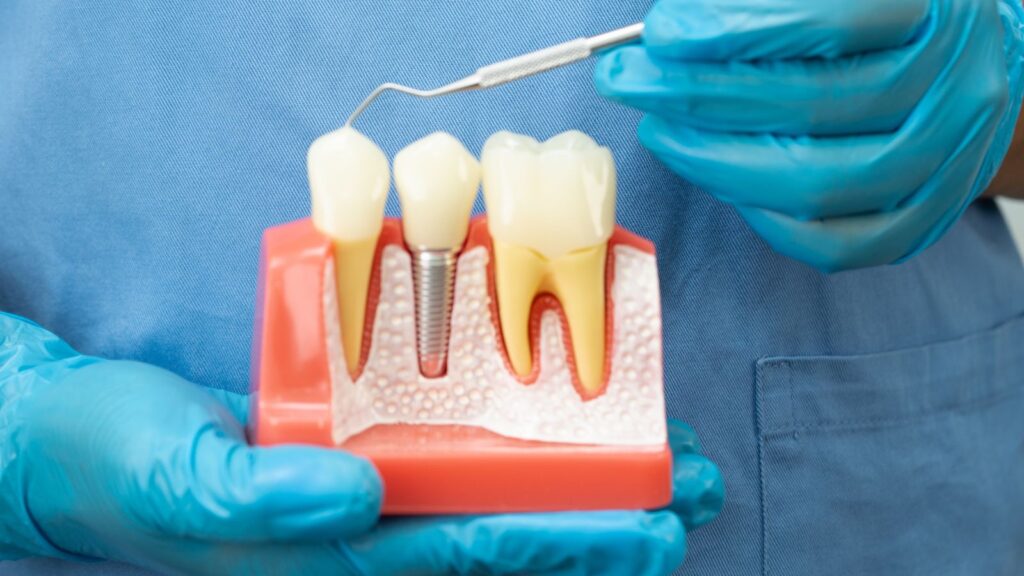
Dental implants give you a titanium post anchored into the jaw that acts like a natural tooth root. You get a single implant crown that doesn’t require altering neighboring teeth, and it stops the bone loss that follows tooth loss.
Expect a process of 3–6 months for placement and healing if bone is healthy. If your jaw lacks volume, you may need a bone graft, which adds 3–6 months before implant placement. Costs vary widely; implants have higher upfront cost but the longest lifespan—often decades with proper care. Watch for infection, smoking-related failure, or poor healing; follow-up visits and good oral hygiene are essential.
Bridges and Dentures
Bridges replace one or a few adjacent teeth using crowns on neighboring teeth or implant-supported abutments. Traditional bridges work faster and cost less than implants, but they require reshaping healthy teeth and do not prevent bone loss under the replaced tooth.
Removable partial dentures are the lowest-cost option and restore chewing and appearance quickly. They can be bulky and need periodic adjustments. Implant-supported bridges or dentures combine stability with bone preservation but increase complexity and cost. Consider durability, maintenance, and how much of a permanent solution you want when choosing between fixed bridges, removable dentures, or implant-retained appliances.
Timeline for Optimal Results
Act within weeks to months after tooth loss to preserve bone and simplify treatment. Immediate temporary options (flipper, temporary bridge) restore appearance while you plan definitive care.
If you opt for an implant and need bone grafting, expect a 6–12 month pathway from graft to final crown. A traditional bridge can be completed in 2–6 weeks. Removable dentures can be made in days to weeks but may need relines as your jaw changes. Coordinate timing with your dentist or specialist to minimize complications and shorten total treatment time.