
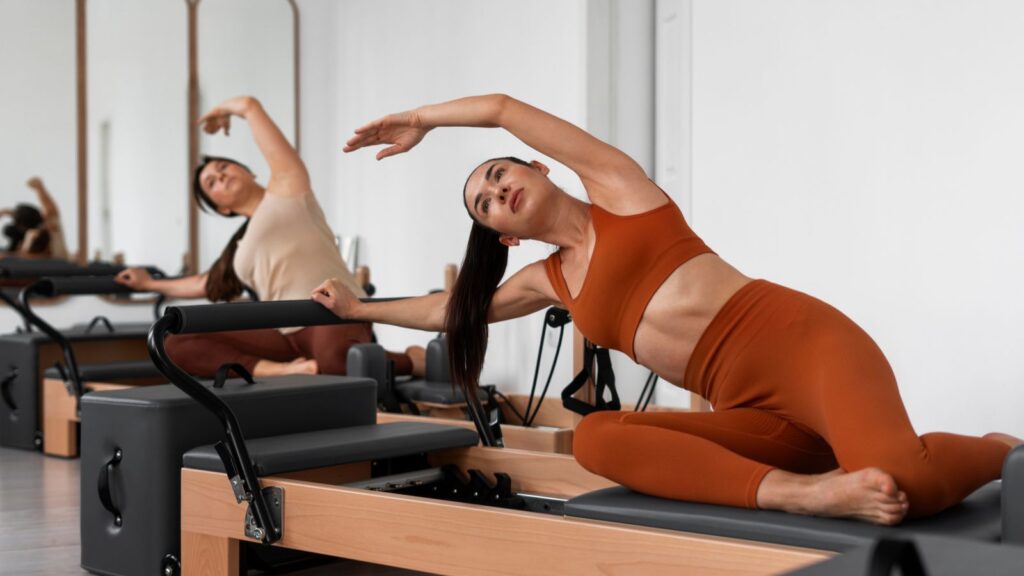
You might think resistance-based fitness is just about toning your arms or getting a firmer core, but there’s a lot more happening beneath the surface. If you’ve been doing the same cardio routine for months or skipping workouts because your schedule is unpredictable, it could be time to switch things up.
Resistance-based workouts (whether you’re using Pilates reformers, resistance bands, or your own bodyweight) can trigger powerful changes. And the best part? You don’t have to wait long to start noticing them. Within a few weeks, you’ll feel stronger, more aligned, and more connected to your body in ways you didn’t expect.
Build Deeper Core Strength
Crunches aren’t the only way to strengthen your core. When you move through controlled, resistance-based exercises, your deep abdominal muscles have to work harder to stabilize and support you. Instead of just targeting the surface layer, you end up strengthening the entire core structure, including the transverse abdominis, pelvic floor, and lower back muscles. These muscles are crucial for maintaining stability and protecting your spine in daily movements.
Pilates reformer machines like those from Core Collab take this to another level. Their spring-based resistance helps challenge your core through a wider range of motion. Whether you’re doing leg circles, kneeling ab crunches, or planks on a reformer, you’re engaging the kind of strength that supports better movement in every part of life—from lifting groceries to standing upright at your desk. Even walking upstairs or turning in bed becomes smoother when your core is firing on all cylinders. Just like Pilates strengthens your foundation, training with gear like the Hayabusa T360 Training Gloves helps build upper-body control and stability through mindful, full-body movement.
Improve Your Posture Daily
Slouching doesn’t just look bad—it can mess with your mood, breathing, and even digestion. Resistance-based training helps correct posture because so many movements require alignment. You can’t power through a reformer session or band workout with poor form. The moment your posture slips, you lose control or the movement becomes less effective.
As you activate the muscles that keep your spine tall (like your mid-back, glutes, and deep abdominals), you’ll naturally begin to stand and sit straighter. That change becomes part of your daily routine, not just your workout time. You’ll likely catch yourself adjusting your shoulders or lengthening your spine at your desk or while scrolling on your phone. It becomes second nature to hold yourself with intention.
Enhance Your Flexibility Gradually
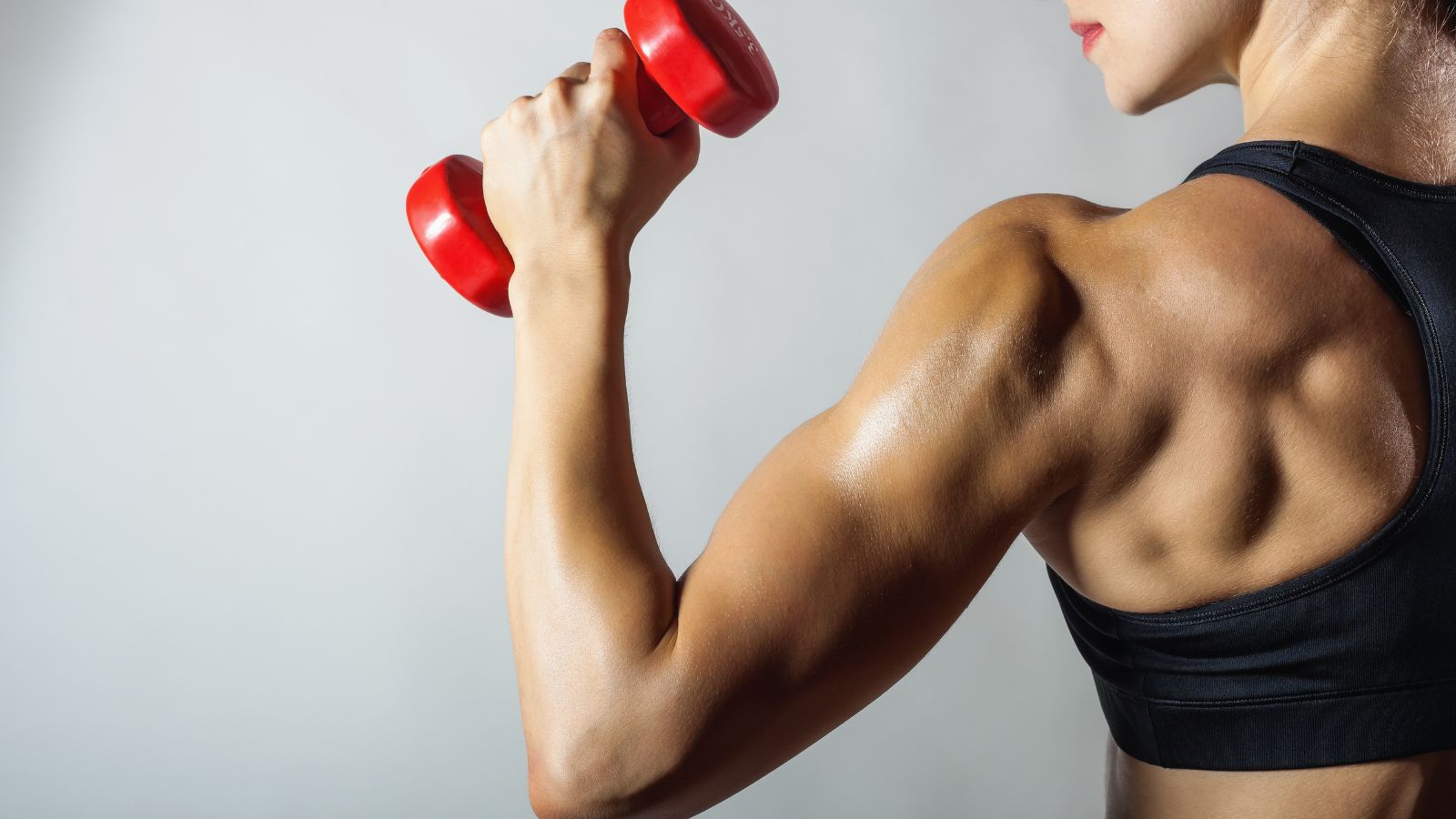
Flexibility isn’t just about being able to touch your toes. It’s about moving with ease and reducing your risk of injury. Resistance training with dynamic stretches and slow, controlled movements helps lengthen your muscles in a safe, supported way. Over time, your range of motion improves—not just in your workouts but also in everyday activities.
Using Pilates reformers is especially effective because the glide and resistance offer a smooth range of motion. This lets you deepen each stretch without forcing your body past its limits. You won’t just feel more limber after a session, you’ll find yourself reaching, bending, and twisting more freely in everyday life. Even simple movements like putting on socks or reaching into the back seat of your car feel easier.
Strengthen Stabilizing Muscles
Most of the time, people focus on big muscle groups like quads, biceps, glutes. But the smaller stabilizing muscles matter just as much. They’re the ones that keep your joints supported, your balance steady, and your form sharp. Without them, it’s easy to get injured or plateau in your progress.
Resistance-based workouts challenge these often-overlooked muscles. When you’re balancing on a Pilates reformer, using sliders, or doing resistance band squats, your body is forced to engage muscles around the ankles, knees, hips, shoulders, and spine. These subtle shifts improve your coordination and help you avoid injuries, especially as workouts become more complex or intense. You start building a more solid foundation that supports every move you make, from yoga flows to strength circuits.
Activate Underused Muscle Groups
Every body has its go-to movement patterns. Maybe your quads take over every time you squat, or you tend to rely on your dominant arm. Resistance-based fitness helps reset those habits. When you use controlled resistance and move with intention, you give neglected muscles a chance to catch up. This makes your overall strength more balanced and reduces strain on your more dominant side.
If you’ve ever been surprised by how sore your inner thighs or deep back muscles feel after a Pilates session, that’s a good thing. It means you’re waking up parts of your body that haven’t been doing their fair share. That activation leads to more balanced strength, improved symmetry, and fewer aches from overuse. Over time, this balance contributes to better performance, better posture, and fewer annoying tweaks and strains.
Reduce Joint Stress Effectively
Unlike high-impact workouts that jar your joints, resistance training lets you build strength with less wear and tear. Because the movement is slow and controlled, you don’t put your knees, wrists, or hips through jarring impact. Instead, your muscles take the load—the way it should be. This helps protect your joints, especially if you’re recovering from an injury or managing chronic pain.
The machines at Core Collab are engineered specifically for this kind of training. They offer a smooth glide and adjustable resistance so you can fine-tune your workout to match your current strength level. That makes them perfect for both beginners and seasoned athletes looking to take pressure off their joints without sacrificing results. With consistent use, you’ll notice less stiffness, better mobility, and more confidence in your ability to move pain-free.
Boost Your Mind-Body Connection
So many workouts are about pushing hard, zoning out, and burning calories. But resistance-based fitness asks you to stay present. Each movement requires focus, coordination, and breath control. That kind of mental engagement brings a fresh level of awareness to how your body moves. It shifts your workouts from something you have to do into something you actually feel and experience.
You’ll start noticing the subtle ways your body compensates or favors one side. You’ll also gain a better understanding of how your breathing supports your core and your movements. As your awareness grows, so does your ability to move with precision and purpose. Over time, that attention to detail translates into better posture, stronger form, and even more confidence in how you carry yourself. You might even find this heightened awareness spilling into other areas of life—how you sit, how you breathe, how you stand when you’re waiting in line. It’s not just a workout—it’s a reset for your whole system.
If you want to feel stronger, more stable, and better aligned in just a few weeks, resistance-based fitness is one of the most effective ways to get there. With thoughtfully designed equipment like Core Collab’s custom Pilates machines, you can bring that experience into your home and create lasting change at your own pace, no matter where you are in your fitness journey.