
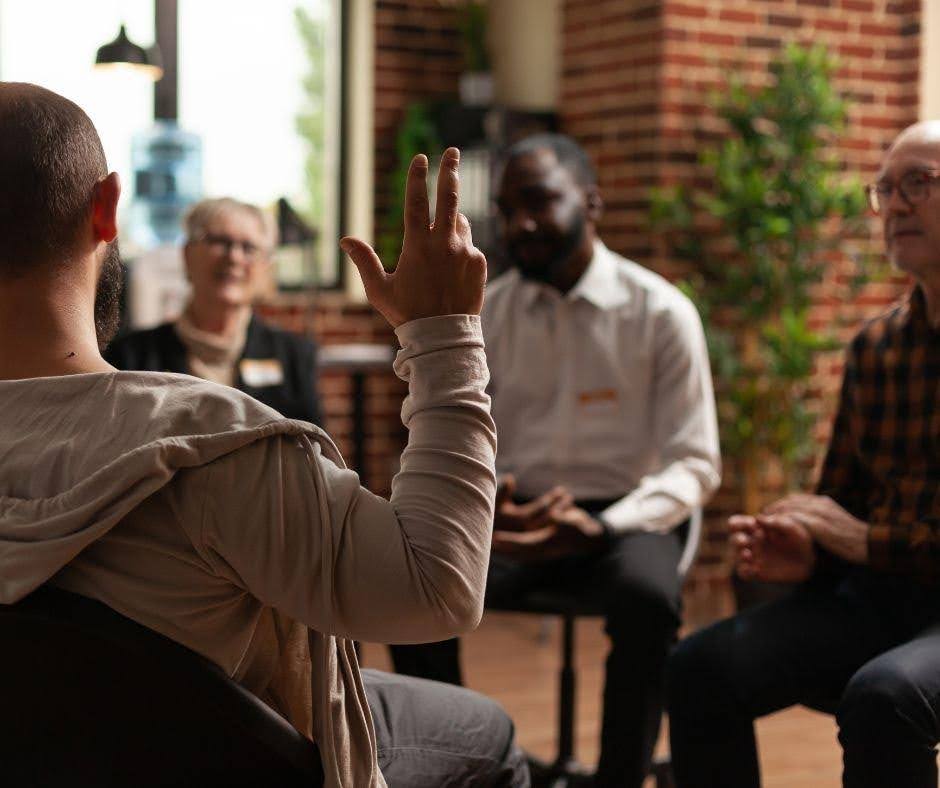
Regardless of anyone’s attitude to counselling, it is undoubtedly one of the most needed skills globally. Sessions are done by trained counsellors who know and understand people’s mental struggles and how to help them through them. But not everyone should be pursuing a career in this field, unless you have or plan on gaining these essential skills.
What defines counselling skills?
Professional counsellors will tell you that building a good rapport with clients is pivotal. To do this, counsellors need to have a few skills that come to them naturally, such as the ability to show empathy, listen well, be patient, create a comfortable environment, and manage problematic situations calmly.
These are only a few of the skills that effective counsellors need to master while they pursue their careers. Many other skills must also be combined to build and maintain a strong therapeutic relationship with their clients.
Practical examples of good counselling
There are some practical methods that counsellors use to create rapport with their clients and effectively counsel them. Let’s look at some of these examples together.
The first example would be creating a visual image. In many cases, people struggle to verbalise their struggles. Visual imagery can be an effective tool to help you enter and understand the client’s thought process and feelings in the moment. As clients explain their situation, you can help to develop a visual representation of how they’re feeling, this way, you can get a better understanding of how the next step in the their counselling and they could have more clarity on what they are struggling with.
Encouraging clients to self-talk is another practical strategy that one can use. Clients are often prone to talking negatively about themselves. To help them cope with what they’re feeling, you can encourage them to do positive self-talk, which involves an internal dialogue of speaking positively about oneself and avoiding negativity.
4 Basic counselling skills you need to cultivate
So, if you’re planning to pursue a career as a counsellor or you’re already a counsellor and you simply want to refresh your skillset, then here are several basic skills counsellors need to cultivate to be effective in their line of work:
- Communication skills
This goes without saying, but every counsellor needs to be able to communicate effectively, and this includes listening. Counsellors need to be excellent listeners, as this is when they would generally be able to make the best inferences regarding their clients’ feelings and how to navigate what they’re saying. Great listening skills involve active listening, where you’re showing that you’re engaged and interested. This allows you to pick up on different tones in their voice, or any body language that may indicate they are uncomfortable, allowing you to tailor your counselling strategy to their needs better.
Then there’s the aspect of communication that refers to how you talk to the client. When you’re talking to the client, you need to be able to communicate what you want to say to them effectively and clearly, so it’s easy for them to understand. Whether that be a technique, affirmation, or anything else, they should be able to understand you with ease.
- Empathy
Empathy is an incredible skill that allows you to understand what the other person is feeling as if you had gone through it yourself. By showing empathy, your clients can see that you genuinely care about them and that what you’re saying or suggesting isn’t just a systematic method or generic response, but something driven by the desire to see them come through their mental struggles. This cultivates trust and a good rapport with clients and gives you a deeper understanding of how to approach certain situations.

- Self-reflection
Many counsellors aren’t always aware of how easily they can be impacted by the issues their clients are struggling with. Because of this, counsellors need to have a solid handle on their own struggles and insecurities and know how to reflect on situations and process their feelings as they come up. This is often one of the reasons that many counsellors seek professional therapy themselves.
- Problem-solving skills
Problem-solving isn’t always the goal in counselling; clients don’t come to have their problems solved, essentially, but to be heard and guided to deal with them. But, as a counsellor, you may face situations requiring prompt and effective problem-solving skills. So, developing these skills for when you need them would be helpful.
Where can you study counselling further?
One of the most impressive characteristics of counsellors is that they are always ready to learn, which is ironic since this is the step to developing more skills as a counsellor. Studying further by doing your Master’s in Counselling course online is a comprehensive way to cultivate your skills and add new skills that can benefit your counselling approach. If you’re interested in studying a master’s in counselling, check out the online courses through Canberra University. You can study and work here, combining your theoretical knowledge with practical skills.
Final thoughts
There’s no doubt that counselling requires a unique combination of patience, empathy, and resilience, which some of us have developed naturally. But these skills can also be learned and exercised like muscles. The more you practice them, the stronger they become, and the better counsellor you become too.